Watch out for these harmful cleaning ingredients: bleach can irritate your lungs and skin; ammonia poses respiratory risks; synthetic fragrances release VOCs that can disrupt hormones; antibacterial cleaners might irritate skin and contribute to superbugs; and drain cleaners contain caustic chemicals that can burn you. Instead, opt for safer alternatives like hydrogen peroxide, vinegar, baking soda, and essential oils. These choices promote a healthier home environment, and there’s plenty more valuable info to uncover!
Bleach
While bleach is a popular choice for household cleaning and disinfection, it can pose serious health risks, especially for children.
Exposure to bleach can lead to respiratory irritation and exacerbate asthma, causing long-term health issues. The toxic chemicals in bleach can also result in skin burns and eye irritation.
Exposure to bleach can cause respiratory issues and skin irritation, posing serious health risks, especially for vulnerable individuals.
Mixing bleach with ammonia creates dangerous gases, increasing the risk of serious health problems. To protect your family, consider using alternatives to bleach, such as hydrogen peroxide or vinegar, which are effective disinfectants without the harmful side effects. Regular use of DIY non-toxic cleaners can help maintain a hygienic space without safety compromises.
If you must use bleach, confirm proper ventilation by opening windows and doors to minimize inhalation of harmful fumes.
Prioritizing safer options can help maintain a healthier home environment.
Ammonia
Ammonia is a staple in many cleaning products, especially those designed for windows and floors. While it’s known for effective cleaning, inhaling ammonia can lead to respiratory problems like coughing and throat irritation, particularly in poorly ventilated areas.
You should always read labels to avoid harmful chemicals; mixing ammonia with bleach is especially dangerous, producing toxic chloramine vapors that pose serious health risks.
Additionally, ammonia adversely affects aquatic life when it contaminates waterways. For safer cleaning alternatives, consider using non-toxic cleaners or simple solutions like vinegar and baking soda, as these methods promote a healthier home environment without compromising your health.
Fragrance
Many cleaning products contain fragrances that may seem harmless but can pose serious health risks. These synthetic fragrances often hide a mix of chemicals that can harm indoor air quality and trigger health issues like asthma and headaches.
Synthetic fragrances in cleaning products may seem harmless but can seriously harm indoor air quality and trigger health problems.
Here’s what you should know:
- Many synthetic fragrances release volatile organic compounds (VOCs), leading to chronic respiratory problems.
- Phthalates, commonly found in these fragrances, are linked to hormone disruption.
- Choosing fragrance-free products or natural alternatives is essential for a healthier home.
Opt for essential oils for a pleasant scent without the harmful effects. Additionally, some eco-friendly cleaners utilize natural ingredients, providing effective cleaning without synthetic fragrances.
Antibacterial Cleaners
Antibacterial cleaners may seem like a must-have for maintaining a germ-free home, but they often contain harsh chemicals that can do more harm than good. Ingredients like triclosan can irritate your skin and respiratory system, leading to significant health risks with prolonged use.
Additionally, over-sanitizing with these cleaners can contribute to the rise of superbugs—bacteria resistant to standard antibiotics. Instead of relying on these potentially harmful products, consider safer alternatives.
Natural disinfectants such as hydrogen peroxide and vinegar effectively kill germs without toxic side effects. You can also try products like Branch Basics All-Purpose cleaner, which cleans effectively without harsh chemicals. By choosing EPA Safer Choice certified products, you can ensure that your cleaning solutions are both effective and environmentally friendly.
Making the switch can help protect your health and the environment while keeping your home clean.
Drain Cleaners
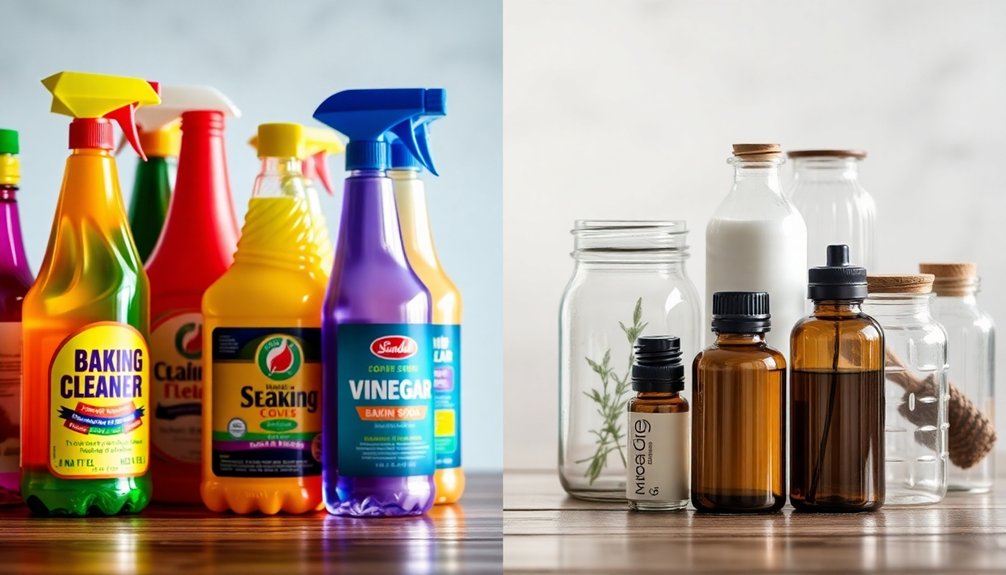
When it comes to clearing clogged drains, reaching for commercial drain cleaners might seem like a quick fix, but these products often contain dangerous chemicals.
Many drain cleaners use caustic chemicals like sodium hydroxide, which can cause severe burns and respiratory problems. Not to mention, they can corrode your plumbing systems over time.
Instead of resorting to toxic chemicals, consider these safer alternatives:
- A mixture of baking soda and vinegar can effectively dissolve clogs.
- Allow the mixture to sit before rinsing with hot water for better results.
- Use a plunger or drain snake to clear clogs without harmful substances.
Opting for these methods promotes a healthier home and protects your plumbing systems, while also contributing to a cleaner environment through reduced chemical usage.
Conclusion
When it comes to cleaning, think of your home as a delicate ecosystem. Just like you wouldn’t dump chemicals into your garden, avoid harmful ingredients that can disrupt your indoor air quality. Switching to safer alternatives is like choosing organic seeds for a thriving garden—your home flourishes, and you breathe easier. By making these small changes, you’re not just cleaning; you’re nurturing a healthier environment for you and your loved ones. Clean smart, live well!