Cleaning your kitchen goes beyond the usual tasks. Don’t forget to dust light fixtures for better air quality and brighter spaces. Regularly clean behind your appliances to prevent hidden bacteria and odors. Check your refrigerator coils to boost energy efficiency, and don’t overlook your sink drain—cleaning it keeps bacteria at bay. Organizing and sanitizing kitchen handles is crucial for hygiene too. Discover more essential tasks you might be missing to maintain a spotless kitchen!
Why You Should Clean Behind Your Appliances
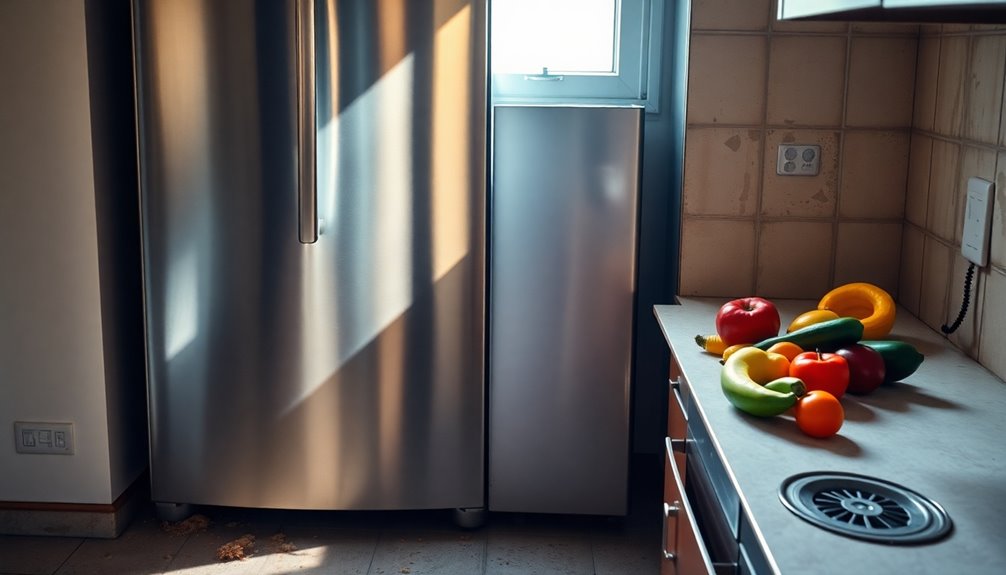
Cleaning behind your appliances mightn’t seem like a priority, but it can greatly impact your kitchen’s cleanliness and safety. Neglecting this area allows hidden bacteria to thrive, creating potential health risks for you and your family.
When you pull out your refrigerator or stove, you might find crumbs, spills, and dust that can attract pests and contribute to unpleasant odors. Regular appliance maintenance isn’t just about ensuring they run efficiently; it’s also about maintaining a hygienic environment. By taking the time to clean behind your appliances, you can eliminate these health hazards and improve your kitchen’s overall cleanliness. Plus, it can prolong the life of your appliances, saving you money in the long run. Additionally, ensuring that all food items are stored properly after cleaning can help prevent the buildup of expired food that may lead to further issues.
The Importance of Dusting Your Light Fixtures
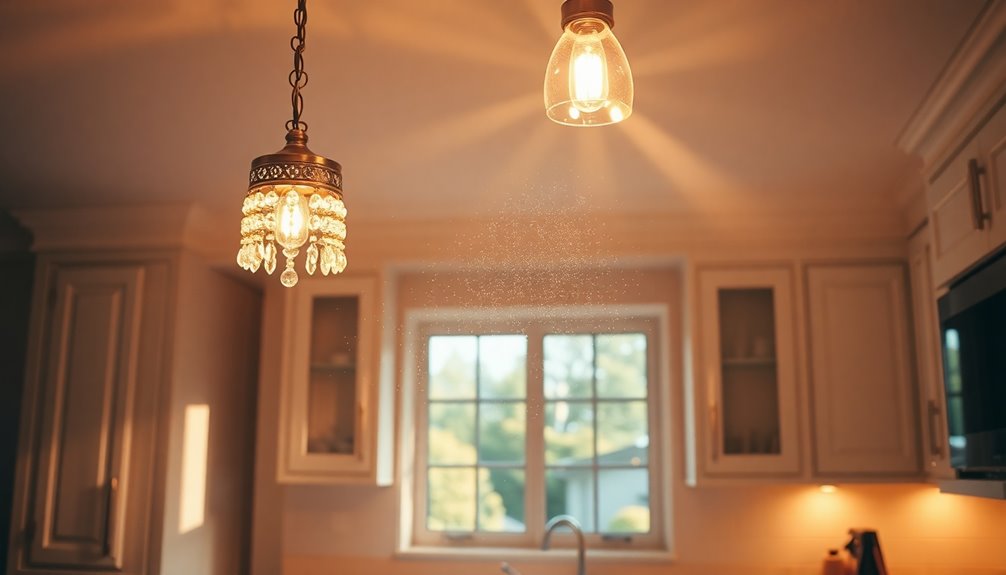
When you dust your light fixtures, you’re not just improving the look of your kitchen; you’re also promoting better health. Dust and allergens can accumulate, affecting air quality and your well-being. Plus, removing that buildup enhances lighting efficiency, making your space brighter and more inviting. Regular cleaning, such as dusting your light fixtures, helps reduce stress and anxiety, contributing to a serene living environment.
Health Benefits Of Dusting
Dusting your light fixtures might seem like a minor chore, but it plays an essential role in maintaining a healthy home environment. Accumulated dust can trigger dust allergies, leading to sneezing, coughing, and discomfort for you and your loved ones.
By regularly dusting these often-overlooked areas, you help improve your indoor air quality, promoting better respiratory health. When light fixtures gather dust, they can spread particles into the air whenever they’re turned on, worsening allergy symptoms.
Keeping your fixtures clean guarantees you’re not just enhancing the aesthetic of your kitchen but also safeguarding everyone’s well-being. So, grab that duster and tackle those light fixtures—your health will thank you for it!
Enhanced Lighting Efficiency
Maintaining clean light fixtures not only benefits your health but also enhances lighting efficiency in your kitchen.
Dust buildup can considerably dim your lights, making your space feel darker and less inviting. By regularly dusting and cleaning your fixtures, you guarantee maximum brightness, which can reduce the need for unnecessary lighting upgrades.
This not only improves your kitchen’s ambiance but can also lead to energy savings. When your lights shine brightly, you won’t need to rely on multiple fixtures, lowering your electricity bill.
How to Deep Clean Your Kitchen Cabinets

To deep clean your kitchen cabinets, start by removing all the contents from inside.
This gives you a clear space to work and guarantees you can reach every corner.
Next, grab the appropriate cleaners to tackle any grime and grease buildup. Regular deep cleaning should be scheduled three to four times a year to maintain the appearance of your cabinets and prevent long-term damage caused by harsh cleaning methods.
Remove Contents First
Start by emptying your kitchen cabinets completely—this step is essential for a thorough deep clean.
This not only allows you to wipe down surfaces but also helps with kitchen organization and decluttering strategies. As you remove items, consider these three steps:
- Sort: Group similar items together to see what you have.
- Evaluate: Check expiration dates and assess if you really need each item. Discard duplicates or items you haven’t used in a while.
- Organize: Decide how to arrange your remaining items in a way that maximizes space and accessibility.
Use Appropriate Cleaners
While you’ve emptied your cabinets, it’s essential to choose the right cleaners to guarantee a thorough deep clean. For most surfaces, a good surface cleaner will do the trick, effectively removing grease and grime.
However, if you prefer a more eco-friendly approach, consider using natural cleaners like vinegar or baking soda. These options not only clean well but also minimize harmful chemicals in your kitchen.
When tackling tough stains, don’t hesitate to let your natural cleaner sit for a few minutes before wiping it away. Remember to test any cleaner on a small area first to verify it won’t damage the finish.
With the right products, your cabinets will look fresh and inviting again.
Don’t Forget Your Refrigerator Coils
Although it might seem easy to overlook, cleaning your refrigerator coils is essential for maintaining efficiency and prolonging the life of your appliance.
Dust and debris can accumulate, causing your fridge to work harder and consume more energy. Here’s how to tackle coil cleaning effectively:
- Unplug Your Fridge: Safety first! Always disconnect the power before starting your cleaning.
- Locate the Coils: They’re usually found at the back or underneath the appliance. Move your fridge carefully if needed.
- Clean the Coils: Use a vacuum or a coil brush to remove dust and dirt.
Regular refrigerator maintenance can save you money on energy bills and repairs. Additionally, regular maintenance of kitchen appliances, including your dishwasher, is crucial for overall efficiency and hygiene.
Don’t skip this important task; your fridge will thank you!
Cleaning Your Sink Drain: Tips and Tricks
Cleaning your sink drain might seem like a hassle, but it’s essential for a fresh kitchen. You’ll need a few basic supplies and a straightforward process to tackle the job effectively. Plus, I’ll share some preventative maintenance tips to keep your drain in top shape. Regular cleaning helps to prevent buildup of harmful bacteria that can thrive in damp conditions.
Essential Cleaning Supplies Needed
To tackle your sink drain effectively, you’ll need a few essential cleaning supplies that make the job easier.
Having the right tools on hand not only simplifies the process but also guarantees a thorough clean.
Here’s a quick cleaning checklist of essential tools you should gather:
- Baking Soda and Vinegar: These natural ingredients help break down buildup and eliminate odors.
- Pipe Wrench or Pliers: These are vital for loosening any stubborn fittings or traps.
- Old Toothbrush: An excellent tool for scrubbing hard-to-reach areas and small crevices.
With these supplies ready, you’ll be well-equipped to give your sink drain the deep clean it deserves.
Keep this checklist handy for your next cleaning session!
Step-By-Step Cleaning Process
Ready to tackle that grimy sink drain? Start by gathering your supplies: baking soda, vinegar, and a scrub brush.
First, remove any visible debris from the drain. Next, pour about half a cup of baking soda down the drain, followed by half a cup of vinegar. Let it fizz for about 15 minutes. This natural solution breaks down grime and odors.
Afterward, flush the drain with hot water to clear any residue. Don’t forget to wipe down the sink area as part of your cleaning schedule.
Finally, add this task to your task checklist for regular maintenance. By doing this, you’ll keep your sink drain fresh and functioning properly!
Preventative Maintenance Tips
While it might seem easy to overlook, regular maintenance of your sink drain can save you from bigger headaches down the road.
Implementing proactive measures guarantees your drain stays clear and functional. Here are three essential tips for maintaining your sink drain:
- Regular Inspections: Check for any signs of buildup or leaks at least once a month.
- Use a Drain Strainer: This simple tool catches food particles and debris, preventing clogs.
- Flush with Hot Water: Pouring hot water down your drain weekly helps dissolve grease and keeps it flowing smoothly.
The Hidden Grime in Your Kitchen Trash Can
Although it may seem like a mundane chore, cleaning your kitchen trash can is essential for maintaining a hygienic cooking space. Over time, spills and debris accumulate, creating hidden grime that can lead to unpleasant odors and attract pests. For effective trash can maintenance, start by emptying it completely and rinsing it with hot, soapy water. Don’t forget to scrub the interior and exterior, paying extra attention to any sticky spots. After rinsing, use a mixture of vinegar and baking soda for odor elimination, allowing it to sit before rinsing again. Regular cleaning can help prevent the accumulation of harmful germs that thrive in organic waste. Finally, let it dry thoroughly before replacing the liner. By adding this task to your cleaning routine, you’ll keep your kitchen fresh and inviting.
Why You Should Wash Your Oven Racks
Many people overlook oven racks during kitchen cleaning, but washing them is essential for both hygiene and cooking performance.
Regular oven rack maintenance helps guarantee your food cooks evenly and prevents unwanted flavors from lingering in your meals.
Here’s why you should prioritize grease removal from your oven racks:
- Healthier Cooking: Removing built-up grease reduces the risk of bacteria spreading to your food.
- Improved Functionality: Clean racks allow for better air circulation, guaranteeing even cooking and browning.
- Easier Cleaning: Regular maintenance means less scrubbing in the long run, making your deep cleaning sessions quicker. Additionally, cleaning your appliances regularly can help ensure their longevity and efficiency.
The Often-Overlooked Kitchen Backsplash
When cleaning your kitchen, don’t forget about the backsplash, which often gets overlooked amid the hustle of daily cooking. This area can accumulate grease, splatters, and grime from your culinary adventures.
Depending on the backsplash materials—like tile, glass, or stainless steel—different cleaning techniques may be effective. For tile, a mixture of warm water and vinegar works wonders; for glass, a glass cleaner will leave it streak-free. Stainless steel can be wiped down with a mild detergent or a specialized cleaner to restore its shine. Regular cleaning prevents unpleasant odors and keeps your kitchen looking fresh. Don’t just give it a quick wipe; a thorough cleaning will prevent buildup and keep your kitchen looking fresh. Remember, a clean backsplash enhances your kitchen’s overall appeal!
Cleaning Your Hood Vent and Filter
A clean hood vent and filter are essential for maintaining a fresh kitchen atmosphere.
Neglecting these areas can lead to grease buildup, affecting both air quality and your cooking experience.
For effective hood vent maintenance, follow these steps:
- Remove the Filter: Detach the filter and soak it in warm, soapy water for about 15-20 minutes.
- Wipe Down the Vent: Use a degreaser or a mixture of vinegar and water to scrub the exterior of the hood, removing any grime and grease.
- Filter Replacement: If your filter shows signs of wear or damage, it’s time for a filter replacement to guarantee peak performance. Regular cleaning of the filter every 2-3 months is recommended to maintain optimal performance.
The Need to Scrub Your Cutting Boards
After ensuring your hood vent and filter are spotless, it’s time to turn your attention to another often-overlooked kitchen essential: your cutting boards.
These boards, made from various cutting board materials like wood, plastic, or bamboo, can harbor bacteria if not cleaned properly. You might think a quick rinse is enough, but scrubbing them with safe cleaning methods is vital.
Cutting boards, whether wood, plastic, or bamboo, need thorough cleaning to prevent bacteria buildup—quick rinses won’t suffice.
Use a mixture of warm water and mild soap, or a vinegar solution for a deeper clean. For wooden boards, consider applying mineral oil regularly to maintain their condition. Remember to use gentle cleaners to avoid damaging your cutting boards.
Don’t forget to let them air dry completely to prevent moisture buildup. By giving your cutting boards the attention they deserve, you’ll keep your kitchen safer and more hygienic.
How to Maintain Your Kitchen Sponges and Cloths
Although sponges and cloths are vital for keeping your kitchen clean, they can quickly become breeding grounds for bacteria if not properly maintained.
Regular sponges maintenance and cloths sanitization are important for a healthy kitchen. Here are three simple steps to guarantee their cleanliness:
- Wash regularly: Rinse sponges and cloths after each use and wash them weekly in hot, soapy water or in the dishwasher.
- Sanitize: Soak sponges in a solution of one part vinegar to two parts water for 5 minutes, or microwave damp sponges for 1-2 minutes to kill germs.
- Replace often: Don’t hesitate to replace your sponges and cloths every month or sooner if they show signs of wear.
Keeping these tips in mind will help maintain a hygienic kitchen environment.
The Benefits of Cleaning Your Kitchen Floor Mats
Cleaning your kitchen floor mats isn’t just about keeping things tidy; it’s essential for your health too.
Regularly washing them helps prevent bacteria growth, enhances the look of your space, and even improves your indoor air quality.
Prevent Bacteria Growth
Since kitchen floor mats often trap crumbs, spills, and moisture, they can quickly become breeding grounds for bacteria if not cleaned regularly.
Prioritizing the cleanliness of your mats is crucial for effective bacteria prevention and maintaining kitchen hygiene.
Here are three key benefits of cleaning your kitchen floor mats:
- Reduces Bacteria Growth: Regular cleaning minimizes the risk of harmful bacteria multiplying on your mats.
- Promotes a Healthier Environment: A clean kitchen contributes to overall health, reducing the chance of foodborne illnesses.
- Enhances Safety: Dirty mats can become slippery, posing a risk for falls; keeping them clean helps guarantee a safer cooking space.
Enhance Aesthetic Appeal
When you keep your kitchen floor mats clean, you not only improve hygiene but also elevate the overall look of your cooking space.
Clean mats can enhance your kitchen decor, adding a fresh, polished touch that complements your color schemes. Whether you prefer bold patterns or subtle hues, spotless mats make a significant difference in how your kitchen feels.
They can tie your design elements together, creating a cohesive atmosphere. Plus, well-maintained mats prevent dirt and stains from detracting from the beauty of your floors.
By prioritizing the cleanliness of your kitchen mats, you’re investing in an inviting environment that showcases your style while making cooking a more enjoyable experience.
Improve Indoor Air Quality
Not only do clean kitchen floor mats enhance the look of your space, but they also play an essential role in improving indoor air quality.
By regularly cleaning your mats, you can achieve significant benefits:
- Air Purification: Dust and dirt trapped in mats can circulate in the air. Clean mats help reduce this contamination, promoting fresher air.
- Allergen Reduction: Floor mats often harbor allergens like pollen and pet dander. Keeping them clean minimizes these irritants, helping you breathe easier.
- Odor Control: Grime and spills can cause unpleasant odors. Regularly cleaning your mats eliminates these smells, contributing to a more pleasant kitchen environment.
Taking the time to maintain your kitchen floor mats can lead to a healthier, more inviting space.
Why You Should Deep Clean Your Microwave?
Why should you deep clean your microwave? Regular microwave maintenance is vital to keep your appliance functioning well and guarantee your food stays safe.
Over time, food splatters and spills can accumulate, leading to unpleasant odors and potential bacterial growth. If you neglect cleaning, you might face more significant issues down the road, like stubborn stains or malfunctioning parts.
Neglecting microwave cleaning can result in unpleasant odors, stubborn stains, and potential bacterial growth.
To maintain a healthy kitchen environment, aim for a deep clean at least once a month, adjusting the cleaning frequency based on your usage.
By dedicating time to this often-overlooked task, you’ll improve hygiene, extend your microwave’s lifespan, and enjoy a more pleasant cooking experience.
The Importance of Wiping Down Your Kitchen Walls
Wiping down your kitchen walls is more important than you might think.
Clean walls can improve your health by reducing allergens and preventing grease buildup, which can attract pests.
Plus, a fresh coat of cleanliness enhances your kitchen’s overall aesthetics, making it a more inviting space.
Health Benefits of Clean Walls
While you might focus on countertops and floors during your deep cleaning routine, neglecting your kitchen walls can compromise your health.
Clean walls are essential for maintaining health hygiene and preventing the spread of germs. Regular wall maintenance helps reduce allergens and bacteria, creating a safer cooking environment.
Here are three health benefits of clean walls:
- Allergen Reduction: Dust and grime accumulate on walls, triggering allergies.
- Bacteria Control: Food splatters can harbor harmful bacteria, leading to illness.
- Improved Air Quality: Clean walls contribute to better air circulation, promoting a healthier atmosphere.
Preventing Grease Buildup
If you want to keep your kitchen looking fresh and inviting, regularly wiping down your walls is essential to preventing grease buildup.
Grease can easily accumulate on your walls, especially near cooking areas, creating greasy surfaces that attract more dirt and grime. By making it a habit to clean these areas, you’ll help prevent the formation of grease traps that can be harder to tackle later.
Use a damp cloth with a mild cleaner to effectively remove greasy residues. Don’t forget to pay attention to corners and behind appliances where grease often hides.
A quick wipe-down after cooking can save you time and effort in the long run, ensuring your kitchen remains a welcoming space for you and your guests.
Enhancing Kitchen Aesthetics
A clean kitchen not only feels inviting but also enhances the overall aesthetics of your home.
One often-overlooked task is wiping down your kitchen walls, which can greatly impact your kitchen decor.
Here’s why you shouldn’t skip this essential deep cleaning task:
- Remove Stains and Grime: Walls collect splatters, grease, and dust, which can dull your kitchen’s look.
- Create a Fresh Atmosphere: A clean wall improves the overall vibe, making it a pleasant space for cooking and entertaining.
- Highlight Aesthetic Upgrades: Clean walls showcase your design choices, from paint to tiles, allowing your decor to shine.
How to Clean Your Dishwasher Properly
Cleaning your dishwasher regularly is crucial for maintaining its efficiency and longevity. Start by removing the bottom rack and inspecting the drain for food particles. Clear any debris to prevent clogs.
Next, wipe down the interior walls with a vinegar-soaked cloth to eliminate odors and build-up. For deeper dishwasher maintenance, run a cycle with a dishwasher-safe cup filled with white vinegar on the top rack. This helps dissolve grease and grime.
You should also check and clean the filter every month, adjusting the cleaning frequency based on usage. Finally, don’t forget to wipe the exterior with a gentle cleaner to keep it looking fresh.
Following these steps will guarantee your dishwasher runs smoothly for years to come.
The Grime Buildup on Your Kitchen Knives
While you mightn’t notice it at first, grime can build up on your kitchen knives over time, affecting their performance and safety. Proper knife maintenance is essential to guarantee your blades stay sharp and hygienic.
Here are three key steps for effective blade sanitization:
- Regular Cleaning: After each use, wash your knives with warm, soapy water and dry them immediately to prevent residue buildup.
- Deep Cleaning: Occasionally, soak your knives in a mixture of vinegar and baking soda to remove stubborn grime.
- Proper Storage: Use knife blocks or magnetic strips to keep your knives safe and clean, avoiding contact with other utensils that can create scratches.
Why You Should Organize and Clean Your Pantry?
Organizing and cleaning your pantry can transform your cooking experience, making it easier to find ingredients and reducing food waste.
When you tackle pantry organization, you’ll quickly notice expired items that you’d otherwise overlook. Regularly checking for food expiration dates helps you keep the freshest ingredients on hand, ensuring your meals are both delicious and safe.
A well-organized pantry not only saves time during meal prep but also encourages you to use what you have, minimizing unnecessary trips to the store. Plus, it creates a visually appealing space that inspires creativity in your cooking.
Taking the time to clean and organize your pantry ultimately leads to a more efficient kitchen and a more enjoyable cooking experience.
The Importance of Sanitizing Your Kitchen Handles
Since kitchen handles are among the most frequently touched surfaces, sanitizing them is essential for maintaining a healthy cooking environment. Germs and bacteria can easily transfer from your hands to these handles, leading to potential health risks.
Here are some effective sanitizing techniques to reflect on based on handle materials:
- Stainless Steel: Use a mixture of vinegar and water for a quick clean, then wipe with a microfiber cloth.
- Wood: Mix a solution of soap and warm water, scrub gently, and dry immediately to prevent warping.
- Plastic: Use a disinfectant spray, let it sit for a few minutes, then wipe clean.
How Often Should You Clean Your Kitchen Appliances?
How often should you clean your kitchen appliances to keep them in top shape? The answer depends on the appliance frequency of use.
Cleaning your kitchen appliances regularly is essential, with frequency depending on how often you use them.
For everyday items like your coffee maker and toaster, aim for a weekly wipe-down.
Your microwave and stovetop should get a thorough clean at least once a month, while your refrigerator needs a deep clean every three to six months.
Don’t forget about the dishwasher; regular maintenance every few months helps keep it running efficiently.
For larger appliances like the oven, a quarterly deep clean is ideal.
Tips for Maintaining a Deep Cleaned Kitchen
To keep your kitchen looking spotless after a deep clean, you’ll want to develop some simple daily habits. Here are a few effective kitchen maintenance tips to incorporate into your routine:
- Wipe Surfaces Daily: After cooking, quickly wipe down countertops and tables to prevent buildup and stains.
- Do the Dishes Promptly: Clean dishes right after use to avoid clutter and discouragement from a growing pile.
- Create a Deep Cleaning Schedule: Set a monthly reminder for tasks like cleaning the fridge or organizing your pantry to maintain that fresh, deep-cleaned look.
Conclusion
In the hustle of daily life, it’s easy to overlook those hidden corners of your kitchen that crave attention. But remember, a clean kitchen isn’t just about aesthetics; it’s about creating a healthy environment for you and your loved ones. So, take a moment to reflect—when was the last time you deep cleaned your kitchen? By incorporating these often-forgotten tasks into your routine, you’ll not only enhance your space but also your well-being. Happy cleaning!