Skipping regular cleaning exposes you to serious health risks, like allergens and harmful bacteria that can worsen respiratory issues. A messy home not only increases stress but also leads to costly repairs from structural damage and pest infestations. Neglected areas may trap moisture, promoting mold growth and lowering your home’s value. You might find that maintaining cleanliness saves you money in the long run, and there’s more to discover about how cleaning impacts your health and finances.
Health Risks Associated With Poor House Cleanliness
When you neglect regular cleaning, you might unknowingly invite serious health risks into your home.
Poor cleaning leads to the accumulation of dust, mold, and bacteria, all of which can trigger respiratory issues, especially in sensitive individuals. Dust mites thrive in unclean environments, affecting about 20 million Americans with allergic reactions and asthma symptoms.
Neglecting cleaning invites dust, mold, and bacteria, heightening respiratory issues for sensitive individuals and impacting millions with allergies and asthma.
Mold growth, often hidden in damp areas, can worsen asthma and result in considerable respiratory problems if left unchecked. Regular disinfection of surfaces, including your bathtub, is crucial to prevent the buildup of harmful bacteria, which can lead to infections.
By prioritizing regular cleaning, you can markedly reduce these health risks. Consider hiring professional cleaning services equipped with tools like HEPA filter vacuums to improve your home’s air quality and minimize dust mite populations.
Protect your health by maintaining a clean and safe living environment.
The Mental and Emotional Toll of a Messy Home
A messy home can weigh heavily on your mind, making you feel more stressed and anxious.
When chaos surrounds you, it’s tough to focus or think clearly, leading to emotional overwhelm. Maintaining a tidy environment contributes to mental clarity, reducing stress and enhancing overall well-being.
Increased Stress Levels
Living in a cluttered home can quickly elevate your stress levels, as the chaos surrounding you makes it hard to relax or concentrate.
Studies show that a messy environment contributes to anxiety and reduces your overall sense of well-being.
Here are four ways clutter impacts your mental health:
- Increased Anxiety: Clutter creates feelings of overwhelm, making it tough to find peace.
- Reduced Productivity: Distractions from mess can hinder your ability to focus on tasks.
- Cognitive Overload: The chaos can lead to mental fatigue and frustration.
- Lack of Control: Regular cleaning fosters a sense of accomplishment and control over your space.
Reduced Focus and Clarity
Clutter not only disrupts your physical space but also clouds your mind, making it hard to focus on what truly matters. When you live in a messy environment, you’re likely to experience reduced focus and mental clarity.
The visual distractions of clutter compete for your attention, leading to cognitive overload and increased stress. Studies show that regular cleaning routines can greatly enhance your emotional well-being, enabling you to feel more relaxed and in control.
A tidy space promotes a sense of peace that boosts productivity and mental stability. By committing to consistent cleaning, you can reduce feelings of chaos and fatigue, allowing for sharper decision-making and a clearer mindset that supports your overall health.
Emotional Overwhelm and Anxiety
When your home is disorganized, it can feel like you’re constantly battling against a tide of chaos, leading to emotional overwhelm and anxiety.
A cluttered and messy home can elevate your stress levels, impacting your mental well-being. Here’s how regular cleaning can lead to peace of mind:
- Reduces cortisol levels – Less clutter means lower stress hormone levels.
- Promotes focus – A clean and healthy environment boosts your concentration.
- Enhances accomplishment – Completing cleaning tasks can foster a sense of control.
- Creates tranquility – Regular cleaning is an investment in your emotional stability.
Structural Damage Caused by Dirt and Neglect
Neglecting regular cleaning can result in serious structural damage to your home. Accumulated dirt and grime can deteriorate essential components like wood and drywall, shortening their lifespan and leading to costly repairs.
Areas often overlooked, such as behind appliances and under sinks, can trap moisture, promoting mold growth that poses both health risks and structural issues.
Neglected spaces like behind appliances can harbor moisture, leading to mold growth and serious health and structural concerns.
Additionally, failing to clean your HVAC systems allows dust buildup, reducing efficiency and increasing wear on components, which can lead to expensive replacements.
Hidden dirt can also mask problems like leaks or pest infestations, escalating into significant structural damage if not addressed promptly. Regular cleaning is critical for maintaining a safe and healthy cooking environment, as accumulated grease can contribute to the deterioration of essential kitchen infrastructure.
Prioritizing cleanliness is vital to maintain your home’s integrity and safeguard against these hazards.
Financial Consequences of Poor Cleaning Habits
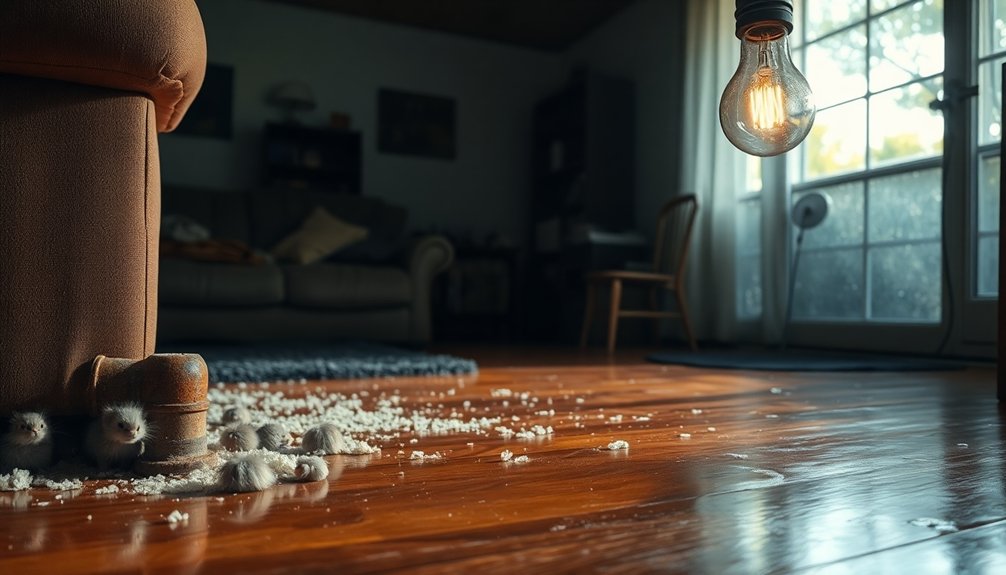
You mightn’t realize it, but skipping regular cleaning can hit your wallet hard.
Increased repair costs, declining property value, and emergency cleaning expenses can add up quickly. Staying on top of cleanliness not only protects your home but also your finances. Regular deep cleaning can help to prevent increased repair costs by addressing issues before they escalate.
Increased Repair Costs
Regularly skipping cleaning tasks can lead to significant financial repercussions, as the buildup of dirt and grime not only damages your property but also increases repair costs.
Here are some hidden costs of skipping regular cleaning:
- Flooring Damage: Accumulated dirt can shorten the lifespan of your flooring, resulting in replacement costs exceeding thousands.
- HVAC System Issues: Dust buildup decreases efficiency, leading to repair costs of $200 to $500.
- Appliance Breakdowns: Neglected appliances can cost between $150 and $600 for repairs.
- Mold Remediation: Delayed cleaning can trigger mold growth, requiring services averaging $1,500 to $3,000.
Ignoring these issues can lead to serious health problems and increased wear and tear, ultimately leading to expensive repairs and dire financial consequences.
Property Value Decline
While it might seem harmless to skip cleaning sessions, the long-term effects on your property’s value can be significant. Neglecting regular cleaning can lead to property value decline, as potential buyers often view unclean homes as poorly maintained.
Accumulated dirt and damage might result in appraisals dropping by 10-20%, making your home less desirable. Health issues like mold and pest infestations can arise, leading to costly repairs that deter buyers.
Additionally, homes lacking regular upkeep may sit on the market longer, increasing carrying costs and lost opportunities. Deferred maintenance issues not only reduce aesthetic appeal but can also compound the financial impact, ultimately affecting your overall investment.
Prioritizing cleanliness is essential for maintaining your property’s worth.
Emergency Cleaning Expenses
Neglecting routine cleaning not only creates a less inviting environment but can also lead to significant emergency cleaning expenses.
When you skip regular upkeep, here are some financial consequences you might face:
- Mold and pests: Remediation services can exceed $500 due to accumulated dirt and grime.
- Plumbing issues: Emergency repair bills average around $1,500 when cleanliness is overlooked.
- HVAC failures: Neglected systems may require emergency repairs costing $2,000 or more.
- Last-minute cleaning: Premium rates for neglected upkeep can cost businesses thousands annually.
These costly repairs often disrupt your budget predictability and pose serious health risks.
Regular professional cleaning is a smart investment to avoid these emergency cleaning expenses.
Increased Health Risks From Neglected Spaces
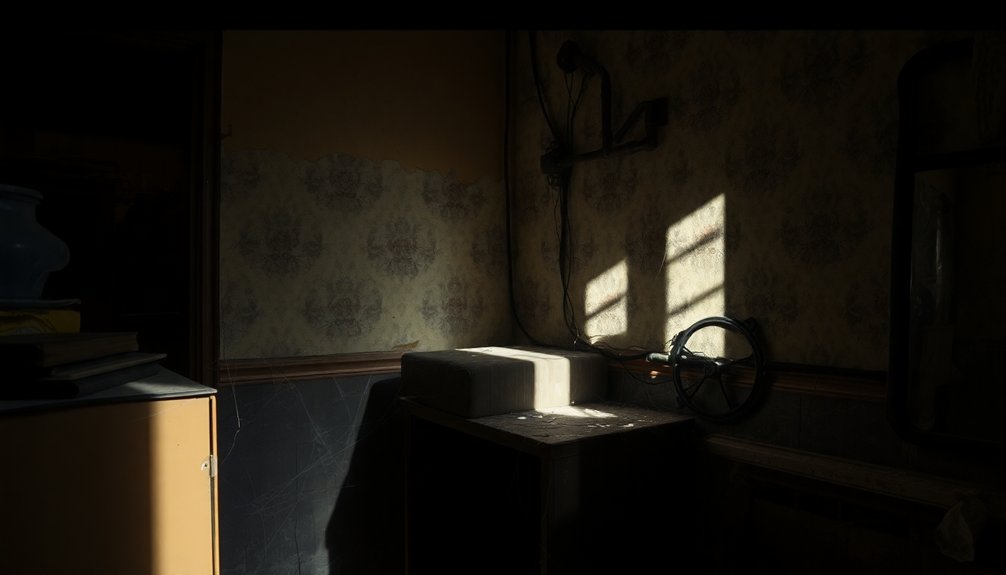
When you let cleaning slide, you’re not just ignoring a chore; you’re inviting a host of health risks into your home.
The accumulation of dust and allergens in neglected spaces can exacerbate respiratory conditions and trigger allergy flare-ups. Mold and mildew thrive in damp, unclean areas, posing significant dangers, especially for individuals with asthma.
Additionally, dust mites flourish in dirty environments, leading to allergic reactions and further respiratory issues. Hidden harmful particles can linger on surfaces, increasing the risk of infections and illnesses, particularly in homes with children or vulnerable individuals.
Regular cleaning isn’t just about aesthetics; it’s essential for maintaining your health and creating a safe living environment free from these increased health risks. A clutter-free environment not only reduces these health hazards but also promotes overall well-being by creating a serene atmosphere.
Pest Problems Linked to Poor Cleaning
Ignoring regular cleaning not only compromises your health but also opens the door to pest problems. A dirty home attracts pests like ants, roaches, and rodents, leading to costly pest infestations.
Here are some key points to reflect on:
- Food residue and clutter provide easy access to pests.
- Homes with clutter are 50% more likely to experience infestations.
- Regular cleaning helps eliminate potential nesting areas.
- Once pests invade, professional extermination services can cost you $300 to $500.
- Incorporating streamlined cleaning processes into your routine can significantly reduce the likelihood of pest issues.
Preventing these hidden dangers starts with maintaining a clean environment.
By prioritizing regular cleaning, you reduce health issues and avoid the hefty costs associated with pest control.
Don’t wait until it’s too late—invest in cleaning services to keep your home pest-free.
Long-Term Damage to Your Home
While it might seem harmless to put off cleaning, the long-term damage to your home can be significant. Neglected areas accumulate dust and grime, harming your flooring’s appearance and integrity, potentially cutting its lifespan by up to 50%.
Hidden dangers like water leaks and mold growth often go unnoticed, risking costly repairs that can reach thousands if left unaddressed.
Kitchen appliances may require replacements sooner due to reduced efficiency, causing a 10-20% increase in energy costs.
Additionally, dirt buildup in HVAC systems can reduce airflow efficiency by 30%, leading to higher energy bills.
Regular cleaning is essential to maintain a healthy environment and avoid these costly repairs or replacements, ensuring your home remains in top condition for years to come. Furthermore, proper maintenance of surfaces like granite countertops can help prevent damage and staining, preserving their beauty and functionality.
The Time Trap: Increased Cleaning Efforts Later
When you put off regular cleaning, you can quickly find yourself overwhelmed by mess. What starts as a simple task can turn into a time-consuming deep clean that feels never-ending. Sticking to a consistent cleaning routine not only saves you time but also keeps your space manageable and inviting. By implementing time-saving strategies, you can effectively minimize the effort required for maintenance and enjoy a cleaner home.
Procrastination Leads to Overwhelm
Procrastinating on cleaning can quickly turn a simple task into an intimidating chore. When you delay regular cleaning, dirt and clutter accumulate, leading to overwhelm.
Here are four consequences of putting off cleaning:
- Time Escalation: A 10-minute task can become an hour-long deep clean.
- Hidden Grime: Dirt builds up in hard-to-reach areas, complicating future maintenance.
- Increased Effort: The longer you wait, the more labor-intensive the cleaning becomes.
- Burnout Risk: Small messes turn into overwhelming projects, discouraging proper upkeep.
Ignoring cleanliness not only raises health risks but also transforms manageable tasks into exhausting endeavors.
Regular cleaning routines can save you time and energy, making maintenance a breeze. Don’t let procrastination trap you in a cycle of overwhelm!
Time-Consuming Deep Cleanings
Delaying regular cleaning can quickly turn manageable tasks into challenging deep cleaning sessions that eat up your valuable time.
What starts as a simple 10-minute wipe-down might escalate to over an hour of scrubbing due to accumulated dirt and grime. This buildup not only makes cleaning more labor-intensive but may also require specialized tools and products, adding to your costs.
The longer you postpone cleaning, the harder those stains become, leading to potentially costly repairs and extensive restoration efforts. A cluttered environment can distract you, making the entire cleaning process feel overwhelming and time-consuming.
Consistency Saves Time
By maintaining a consistent cleaning routine, you can save yourself from the overwhelming time trap that comes with neglected chores.
When you skip regular cleaning, those simple tasks can quickly escalate. Here’s how consistency saves time:
- Prevents Dirt Build-Up: Regular cleaning stops grime from accumulating quickly.
- Simplifies Tasks: A clean home means less effort for each cleaning task.
- Reduces Time Spent: Avoid time-consuming deep cleanings by keeping up with chores.
- Minimizes Stress: Maintaining a clean environment helps you avoid the hidden health risks of clutter.
Keeping a regular schedule not only makes cleaning manageable but also enhances your overall well-being.
Productivity Losses in a Cluttered Environment
When you work in a cluttered environment, it’s no surprise that your productivity can take a significant hit. Studies show that employees in messy workplaces can experience up to a 20% decrease in productivity due to distractions and disorganization.
A staggering 75% of workers feel overwhelmed by clutter, which leads to increased stress and absenteeism. You might find yourself wasting an average of 30 minutes each day searching for misplaced items, further diminishing your efficiency.
On the flip side, maintaining a clean and organized workspace can boost employee morale by 33%, enhancing motivation and overall productivity. Regular cleaning routines not only improve efficiency but also foster a commitment to cleanliness, which is essential for a positive workplace atmosphere.
Prioritizing regular cleaning isn’t just about aesthetics; it’s essential for fostering a healthy, efficient work environment.
Simple Cleaning Routines to Mitigate Risks
To maintain a safe and healthy environment, incorporating simple cleaning routines into your daily life is essential. Here’s a quick guide to help you mitigate health risks and avoid costly repairs:
- Daily Tasks: Dust surfaces and vacuum to reduce allergens, lowering respiratory issues.
- Thorough Cleaning: Schedule weekly or bi-weekly sessions to target hidden areas where mold and bacteria thrive.
- Quick Clean-ups: Wipe down kitchen counters and sweep floors after meals to prevent pest infestations.
- Cleaning Checklist: Regularly inspect and clean high-traffic areas to avoid accelerated wear and tear, saving you from expensive replacements. Additionally, utilizing non-toxic cleaners ensures a safe cleaning environment for your family while effectively combating germs.
Conclusion
In the grand scheme of your life, a clean home isn’t just a luxury; it’s a necessity. Neglecting regular cleaning can lead to health risks and costly repairs, much like ignoring a ticking time bomb. By embracing simple cleaning routines, you’ll not only safeguard your health but also preserve your sanctuary. Remember, a tidy space fosters clarity, allowing you to thrive instead of merely survive. Don’t let dirt and disorder dictate your days—take charge and reclaim your peace.