Microbiome-friendly cleaning means using gentle, non-toxic cleaners that protect beneficial microbes while getting rid of harmful bacteria. This approach helps maintain a balanced indoor microbiome, which is essential for your immune system. By opting for natural cleaning agents like vinegar and baking soda, you can effectively clean without disrupting your home’s microbial diversity. Balancing cleanliness with protection of good microorganisms is key to a healthier living space. Discover more about effective practices for maintaining a microbe-friendly environment.
Defining Microbiome-Friendly Cleaning
Microbiome-friendly cleaning focuses on using gentle, non-toxic cleaners that protect beneficial microbes in your home while effectively eliminating harmful bacteria.
Microbiome-friendly cleaning utilizes gentle, non-toxic cleaners to safeguard beneficial microbes while targeting harmful bacteria.
This approach recognizes that harsh chemicals in traditional cleaning products can disrupt both good and bad bacteria, leading to health issues. By choosing eco-friendly alternatives, you maintain a balanced indoor microbiome essential for supporting your immune function.
It’s important to be cautious, as products labeled “natural” or “green” may still contain harmful ingredients. Instead, consider using techniques like vinegar, baking soda, and essential oils.
These not only reduce harmful microbes but also nurture your microbiome, providing a safer and healthier cleaning solution. Embracing these methods can greatly enhance your living environment and overall well-being. Additionally, opting for eco-friendly cleaners can further contribute to a healthier planet.
The Importance of a Healthy Microbiome
Understanding the importance of a healthy microbiome is essential for your overall well-being, as it plays a pivotal role in bolstering your immune system. A robust microbiome promotes microbial diversity, which helps prevent autoimmune and allergic diseases. The hygiene hypothesis highlights that insufficient early exposure to diverse microbes can increase your risk of these conditions. Harsh cleaning products can disrupt your microbiome, eradicating beneficial bacteria alongside harmful ones, potentially leading to issues like asthma and inflammatory bowel disease. Incorporating natural cleaning agents can help maintain a healthy microbiome while effectively cleaning your home.
Cleaning, Sanitizing, and Disinfecting: Key Differences
When it comes to keeping your home clean, understanding the difference between cleaning, sanitizing, and disinfecting is essential. Cleaning removes dirt and grime, while sanitizing lowers germ levels to safe amounts, and disinfecting kills a broader range of harmful microorganisms. Knowing when to use each method helps you maintain a healthy environment without over-sanitizing and disrupting beneficial microbes. Utilizing non-toxic cleaners can further enhance your cleaning practices while ensuring the safety of your family and the environment.
Cleaning Versus Disinfecting
Cleaning and disinfecting often get confused, but they serve different purposes in maintaining a healthy environment.
Cleaning involves removing visible dirt and organic matter using household cleaning products, while disinfecting eliminates harmful microorganisms, providing a higher level of microbial control.
In most homes, regular cleaning suffices for hygiene, as excessive disinfecting can disrupt beneficial microbial communities and impact indoor air quality.
It’s vital to recognize that not all sanitizers meet disinfecting standards, and the balance between cleaning and disinfecting is essential, especially in high-risk areas like kitchens and bathrooms.
Importance of Sanitizing
While many people think cleaning and disinfecting are the same, sanitizing plays a crucial role in maintaining a healthy home.
Sanitizing focuses on reducing the number of microbes on surfaces, making your household safe without necessarily eliminating all harmful organisms. This is especially important in food preparation areas and on high-touch surfaces, where the risk of foodborne illnesses and cross-contamination is higher.
By using microbiome-friendly cleaning agents for sanitizing, you can preserve beneficial microbes while keeping your home clean.
Remember, overusing disinfectants can disrupt the indoor microbiome and lead to microbial resistance.
Understanding the importance of sanitizing helps you make informed decisions for a balanced approach to cleanliness that protects both your health and your home environment.
Balancing Cleanliness and Microbial Diversity
Achieving a balance between cleanliness and microbial diversity is essential for fostering a healthy home environment. You want your cleaning solutions to effectively remove harmful pathogens while preserving beneficial microbes.
Overusing harsh disinfectants can disrupt your home’s microbiome, potentially leading to immune diseases. Embracing microbiome-friendly hygiene practices is key. Regular home cleaning with gentle, eco-friendly products—like those made from food-based ingredients—supports microbial diversity.
Focus on high-risk areas, such as kitchens and bathrooms, for disinfection, but use methods that minimize harm to your microbial community. By prioritizing this balance, you can maintain a clean home without sacrificing the rich diversity of microbes that play a vital role in your overall health. Additionally, utilizing EPA Safer Choice certified products can help ensure that your cleaning solutions are both effective and gentle on your microbiome.
Effective Eco-Friendly Cleaning Products
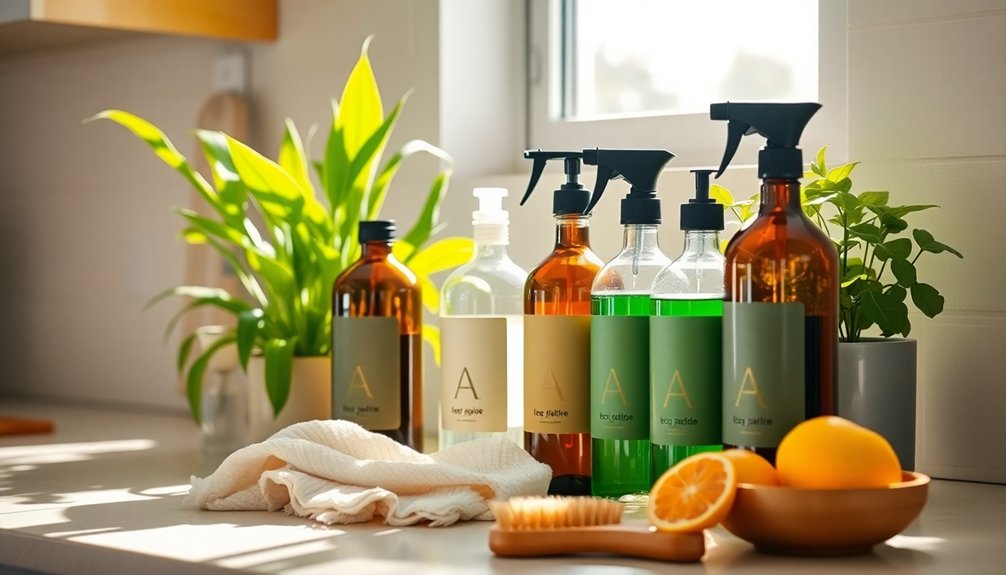
To create a healthier home environment, reflect on using effective eco-friendly cleaning products that harness the power of natural ingredients. These products combat harmful bacteria while preserving the microbiome’s beneficial balance.
Here are some options to reflect on:
- Vinegar and baking soda: Natural cleaners that effectively remove grime and odors.
- Essential oils: Provide antibacterial properties and pleasant scents without harsh chemicals.
- Probiotic-based cleaners: Such as those from Airbiotics, help maintain indoor air quality and restore microbial diversity. Additionally, utilizing natural cleaning solutions can significantly reduce reliance on harsh chemicals and promote a healthier indoor environment.
Brands like Aunt Fannies and Molly’s Suds focus on food-based ingredients, ensuring effective cleaning while enhancing indoor environmental health.
Prioritizing Areas for Cleaning in Your Home
When it comes to cleaning your home, focus on high-touch surfaces and prioritize areas like the kitchen and bathroom. Regularly disinfect kitchen counters and bathroom fixtures to prevent the spread of germs and maintain a healthy environment. Incorporating methods like soap and water cleaning can effectively eliminate visible and invisible contaminants.
High-Touch Surface Focus
Although many areas of your home need attention, high-touch surfaces should be at the top of your cleaning priority list.
These surfaces, like doorknobs, light switches, and faucet handles, harbor germs that can affect your gut microbiota. To maintain a microbially diverse environment, consider these key areas for cleaning:
- Door handles: Regularly disinfect to reduce illness transmission.
- Light switches: Often overlooked, they need consistent attention.
- Bathroom surfaces: Handles and sinks are high-risk during flu season.
Utilizing microbiome-friendly cleaning products on these surfaces helps preserve beneficial microbes while ensuring proper ventilation reduces the buildup of harmful microorganisms.
Prioritize these areas to keep your home healthy and clean.
Kitchen and Bathroom Priorities
While keeping your home clean is vital, prioritizing the kitchen and bathroom can greatly impact your family’s health.
In the kitchen, focus on cleaning surfaces after handling raw meats to maintain hygiene and prevent foodborne illnesses. Use separate chopping boards for meats and vegetables to avoid cross-contamination.
In the bathroom, frequent cleaning is essential, especially during flu season or when someone is ill. Pay special attention to high-touch areas like toilet handles and faucets to minimize germ spread.
Additionally, regularly disinfecting doorknobs, light switches, and remote controls can help prevent the transmission of harmful microorganisms throughout your home.
Tailor your cleaning efforts based on potential risks to guarantee a healthier living environment for everyone.
The Role of Probiotic Cleaners
Probiotic cleaners play a vital role in maintaining a healthy indoor microbiome by leveraging beneficial bacteria to outcompete harmful microorganisms.
Probiotic cleaners harness beneficial bacteria to promote a healthy indoor microbiome, effectively outcompeting harmful microorganisms.
Unlike traditional cleaning products that kill all microbes, these cleaners support microbial diversity, which is essential for a balanced ecosystem.
Benefits of probiotic cleaning include:
- Reduction of Pathogenic Bacteria: They effectively lower harmful bacteria while promoting beneficial microbes.
- Enhanced Indoor Air Quality: Probiotic cleaners can improve air quality by fostering healthy microbial communities.
- Sustainable Alternative: They offer a health-conscious alternative by minimizing reliance on harsh chemicals.
Additionally, using eco-friendly products like vinegar and baking soda in conjunction with probiotic cleaners can enhance overall cleaning effectiveness while promoting sustainability.
Tips for Maintaining a Microbe-Friendly Environment
To maintain a microbe-friendly environment, focus on using gentle cleaning methods that protect beneficial microorganisms while still ensuring hygiene.
Regular cleaning practices are essential; avoid excessive disinfecting, as it can harm the delicate balance of your home’s microbiome. Prioritize cleaning high-risk areas, like food preparation surfaces and bathrooms, where microbial control is vital.
In lower-risk areas, stick to natural cleaning alternatives such as vinegar and baking soda to effectively clean without disrupting beneficial microbes. Additionally, using natural cleaning solutions can help reduce chemical exposure and maintain a healthier indoor environment.
Furthermore, support microbial diversity by incorporating house plants and allowing outdoor exposure, which can enhance your overall health and immune resilience.
Conclusion
So, while you might think that scrubbing every surface with harsh chemicals is the ultimate way to keep your home spotless, the truth is, it could be sabotaging your health. Embracing microbiome-friendly cleaning means letting beneficial microbes thrive alongside you. Who knew that a little dirt could actually be good for you? By choosing eco-friendly products and prioritizing microbial diversity, you’re not just cleaning—you’re creating a healthier, happier home for you and your invisible allies.