Doorknobs, light switches, kitchen counters, and bathroom faucets are just a few of the high-touch areas you need to disinfect regularly. These surfaces can harbor germs that lead to illness, so it’s essential to use appropriate disinfectants. Don’t forget about remote controls, bedside tables, children’s toys, and gym equipment—these hidden germ magnets also require frequent cleaning. By having a detailed disinfection routine, you can keep your home and health safe. There’s plenty more to learn about effective hygiene practices!
Doorknobs: The Gateway for Germs
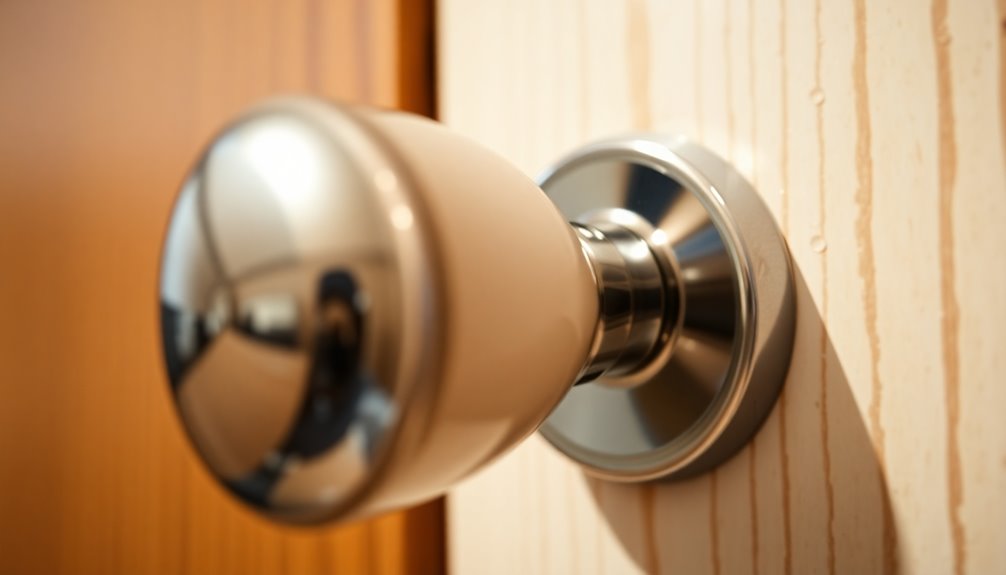
Although you mightn’t think twice about it, doorknobs are often the first point of contact for germs entering your home or office. They’re high-touch areas that can harbor numerous pathogens.
Different doorknob materials, like brass, stainless steel, and plastic, each have varying levels of resistance to germ transmission. For instance, brass has natural antimicrobial properties, while plastic can trap germs more easily.
Regularly disinfecting your doorknobs is essential to minimizing the risk of illness. Make it a habit to clean them with an appropriate disinfectant, especially after visitors. Incorporating methods like soap and water cleaning can be an effective way to maintain hygiene on these surfaces.
Light Switches: Overlooked Hotspots
You probably don’t think twice about the light switches you touch daily, but they can be breeding grounds for germs.
Understanding where contamination comes from is key to keeping your home safe.
Let’s explore effective techniques to disinfect these often-overlooked hotspots. Regular cleaning prevents buildup and tarnishing of germs, ensuring a healthier environment.
Common Contamination Sources
While many people focus on high-touch surfaces like doorknobs and countertops when cleaning, light switches often go unnoticed as significant contamination sources.
These common surfaces are touched frequently, making them prime bacteria hotspots. Each time you flip a switch, you’re transferring germs from your hands, which can linger for days.
Think about all the times you touch a light switch after handling food, using the bathroom, or cleaning. This makes it essential to include light switches in your cleaning routine.
Don’t let them be overlooked; regular disinfection can help reduce the risk of spreading germs throughout your home.
Effective Disinfection Techniques
To effectively disinfect light switches, it’s crucial to use the right techniques that guarantee you’re not just pushing germs around.
Start by turning off the power to avoid any accidents. Use a microfiber cloth to apply a natural disinfectant, like a vinegar-water solution or rubbing alcohol. Gently wipe down the switch and surrounding area, ensuring you cover all surfaces.
For an added layer of protection, consider UV sterilization. These devices emit UV light that can kill germs effectively without chemicals.
After disinfecting, let the area dry completely to maximize germ-killing effectiveness. Regularly maintaining this practice will help keep your light switches clean and reduce the risk of spreading germs throughout your home.
Kitchen Counters: Where Food Meets Bacteria
Kitchen counters can be a breeding ground for bacteria, especially when they come into contact with raw food. Neglecting proper cleaning can lead to significant bacteria growth, putting your food safety at risk.
Whenever you prepare meals, always remember to sanitize your counters before and after use. Use a disinfectant specifically designed for kitchen surfaces to eliminate harmful germs effectively. Pay special attention to areas where you chop vegetables or handle meat.
Always sanitize your kitchen counters before and after meal prep to eliminate harmful germs and ensure food safety.
Even small spills can harbor bacteria, so clean them up immediately. Regularly disinfecting your kitchen counters not only helps maintain a healthier environment but also guarantees the food you prepare is safe to eat. Consider using Seventh Generation Disinfecting Multi-Surface Cleaner for an eco-friendly option that effectively eliminates germs.
Prioritize cleanliness to protect yourself and your loved ones from foodborne illnesses.
Bathroom Faucets: High-Risk Areas for Contamination
Bathroom faucets can be a hotbed for germs and bacteria, often overlooked during routine cleaning. You mightn’t realize how frequently you touch faucet handles, especially after using the restroom. Each time you wash your hands, you transfer germs to the faucet. This can lead to significant germ transmission, making it essential to disinfect these high-risk areas regularly. To keep your bathroom safe, use disinfectant wipes or sprays on the faucet handles daily. Pay special attention to areas that get the most contact, like the spout and base. Regular disinfection helps eliminate harmful bacteria that can cause infections or illnesses.
Remote Controls: A Hidden Germ Magnet
When you think about high-touch surfaces in your home, remote controls often slip under the radar. These tiny gadgets are touched frequently, yet they rarely receive the cleaning attention they deserve.
Remote controls are often overlooked in cleaning routines, yet they are high-touch surfaces that need regular attention.
For effective remote control hygiene, you should establish a routine for disinfecting them. Use disinfecting wipes or a cloth dampened with a mild cleaner to wipe down the surfaces regularly. This simple action is a key part of your germ prevention strategies. Incorporating eco-friendly cleaners can enhance the effectiveness of your disinfection efforts.
Don’t forget to pay special attention to the buttons, as they harbor the most germs. By making remote control cleaning a habit, you can greatly reduce the risk of spreading germs in your home.
Keep your family healthy by treating these hidden germ magnets with care.
Mobile Devices: Your Constant Companion’s Danger
Although you mightn’t realize it, your mobile device is one of the dirtiest items you carry. It’s constantly exposed to germs, and neglecting proper mobile hygiene can put you at risk.
You touch your phone frequently, transferring bacteria from your hands to the screen and back again.
Here are three essential tips for effective screen sanitization:
- Use disinfectant wipes: Look for wipes that are safe for electronics to keep your screen clean.
- Avoid liquid cleaners: They can seep into your device and cause damage.
- Establish a routine: Clean your device daily or after it’s been in high-touch areas. Regular cleaning helps maintain a hygienic environment and reduces the risk of illness!
Stay proactive with your mobile hygiene to reduce the risk of illness!
Keyboards and Mice: Tech Tools That Need TLC
Your keyboard and mouse are just as prone to collecting germs as your mobile device. These tech tools often get overlooked when it comes to cleaning, but maintaining good keyboard hygiene is essential for your health.
Regularly wipe down your keyboard with disinfectant wipes, ensuring you get between the keys where dirt and germs accumulate. For mouse maintenance, don’t forget to clean the buttons and the underside, where grime can build up over time.
Aim to clean these devices at least once a week, or more often if you share them with others. By prioritizing keyboard hygiene and mouse maintenance, you can create a cleaner workspace and reduce your risk of illness. Additionally, ensuring a smoke-free environment in your workspace can further enhance overall air quality, contributing to better health.
Handrails: Safety and Cleanliness Go Hand-in-Hand
When you think about safety in public spaces, handrails are often overlooked, yet they play a vital role in preventing accidents. Regular disinfection is necessary, especially in high-traffic areas where germs can thrive. Using the right cleaning products not only keeps handrails safe but also guarantees they’re hygienic for everyone. Implementing regular disinfection strategies can significantly reduce the spread of germs in these commonly touched areas.
Importance Of Regular Disinfection
Regularly disinfecting handrails is essential for maintaining both safety and cleanliness in shared spaces.
By prioritizing this practice, you’re not just keeping surfaces clean; you’re also promoting health benefits for everyone who uses those handrails.
Here are three important reasons to focus on regular disinfection:
- Prevention of Germ Spread: Effective disinfection techniques greatly reduce the risk of illness by killing harmful germs.
- Enhanced Safety: Clean handrails provide better grip, reducing the chances of slips and falls.
- Positive Environment: A clean space fosters a sense of well-being, encouraging people to feel safe and comfortable.
Cleaning Products To Use
To guarantee handrails remain both clean and safe, selecting the right cleaning products is essential.
You should opt for natural disinfectants that effectively eliminate germs without harsh chemicals. Look for eco-friendly cleaning solutions that are safe for both your family and the environment.
Products that contain plant-based ingredients can clean effectively while also being gentle on surfaces. When choosing a cleaner, check for labels that indicate it’s biodegradable and non-toxic.
Additionally, using microfiber cloths with your chosen disinfectant can enhance cleaning efficiency, ensuring you capture all dirt and bacteria.
High-Traffic Areas Focus
Handrails are often overlooked, yet they play an essential role in both safety and cleanliness in high-traffic areas.
When you think about the entry points and foot traffic your space receives, it’s vital to prioritize handrail sanitation.
Here are three key reasons to keep them clean:
- Prevent Germ Spread: Handrails are touched frequently, making them hotspots for germs. Regular disinfection reduces the risk of illness.
- Enhance Safety: Clean handrails improve grip and reduce slips, especially in busy entry points where people rush.
- Create a Positive Impression: Well-maintained handrails reflect your commitment to cleanliness, promoting a healthier environment for everyone.
Elevator Buttons: Touch Points in Public Spaces
Although you mightn’t think twice about pressing elevator buttons, these small surfaces are often hotspots for germs in public spaces. Ensuring good elevator hygiene is essential for public safety.
Every time you press that button, you’re not just activating the lift; you’re potentially coming into contact with various pathogens left by previous users. To minimize your risk, consider using a tissue or your knuckle to press the button.
Regularly disinfecting these touch points can greatly reduce the spread of germs. Building managers should prioritize frequent cleaning of elevator buttons to protect everyone. Additionally, using eco-friendly products can further enhance the cleanliness and safety of these high-touch areas.
Shopping Carts: Navigating Germs While You Shop
Shopping carts are often overlooked as germ magnets while you shop. With countless hands touching them daily, it’s essential to practice shopping cart sanitization for better grocery store hygiene.
Shopping carts are germ magnets, making sanitization crucial for maintaining grocery store hygiene.
Here are three quick tips to keep in mind:
- Wipe Down the Handle: Before you start, grab a disinfecting wipe and clean the cart handle. It’s one of the most frequently touched areas.
- Use the Child Seat Sparingly: If you have kids, remember that the child seat can harbor germs too. Consider placing a blanket or towel down first.
- Limit Contact: Try to minimize touching the cart’s surface as much as possible. Use your phone or a shopping list instead. Additionally, consider using eco-friendly methods to clean your shopping cart, as these alternatives can help maintain a healthier environment.
Toilet Handles: A Necessary Disinfection Zone
When you think about high-touch areas in public restrooms, toilet handles often come to mind as a breeding ground for germs. These handles can easily harbor bacteria and viruses, making them a critical zone for toilet hygiene.
Every time you flush, you’re at risk of germ transmission, especially if the handle isn’t regularly disinfected.
To protect yourself, always consider using a paper towel or your elbow when touching the handle. After washing your hands, it’s wise to use a towel to close the restroom door, avoiding contact with potentially contaminated surfaces.
By being mindful of toilet handles, you’re taking an essential step in maintaining your health and reducing the spread of germs in public spaces.
Stay safe and clean!
Pet Supplies: Furry Friends Can Spread Bacteria
Since pets bring joy and companionship, it’s easy to overlook the fact that their supplies can also be a source of bacteria.
Regular pet grooming helps maintain your furry friend’s hygiene, but don’t forget about the items they use daily. Bacteria transfer can happen through their toys, bowls, and bedding.
Here are three high-touch areas that need frequent disinfection:
- Food and Water Bowls: Clean them daily to prevent bacteria buildup.
- Grooming Tools: Regularly sanitize brushes and combs to keep your pet healthy.
- Toys: Wash plush toys and disinfect hard toys to eliminate germs.
Bedside Tables: Germs Lurking Where You Sleep
Your bedside table might seem like a simple piece of furniture, but it’s a hotspot for germs. It often collects bedside clutter, from used tissues to forgotten cups, creating an ideal environment for bacteria.
Every time you reach for your phone or a book, you’re introducing more germs into your sleep space. Maintaining good sleep hygiene includes regularly disinfecting this area to keep it clean and safe. A quick wipe down with disinfectant can notably reduce the germ load.
Consider minimizing clutter by keeping only essential items on your table. By doing this, you not only enhance your sleep hygiene but also create a more peaceful environment for rest.
Children’s Toys: Keeping Playtime Safe and Clean
Children’s toys can be a breeding ground for germs, especially with little ones frequently putting them in their mouths or sharing them with friends.
It’s vital to implement effective toy sanitization techniques to keep playtime safe and clean. Here are three essential practices you can adopt:
- Regular Cleaning: Wash plastic toys in warm, soapy water or run them through the dishwasher.
- Disinfect Soft Toys: Use a fabric-safe disinfectant spray or toss them in the washing machine when needed.
- Set a Schedule: Establish a routine for sanitizing toys, especially after playdates, to guarantee consistent playtime hygiene practices.
Gym Equipment: Sweat and Germs Unite
Gym equipment, from weights to treadmills, can quickly become a hotspot for germs, especially in crowded fitness centers. You often touch the same surfaces as others, making gym hygiene vital.
To keep yourself safe, establish regular disinfecting routines. Before you start your workout, wipe down the equipment with disinfectant wipes. Pay special attention to handles, benches, and screens, where sweat and germs linger.
After your session, don’t forget to clean up again. This not only protects you but also others who use the equipment afterward.
Light Fixtures: Neglected Areas That Need Attention
When you think about high-touch areas, light fixtures often get overlooked, but they can harbor dust and germs just like any other surface.
Understanding common contamination sources and effective disinfection methods is essential for keeping your space safe.
Plus, knowing how often to maintain these fixtures can make a big difference in your overall cleanliness.
Common Contamination Sources
Although often overlooked, light fixtures can be a surprising source of contamination in any space.
These common surfaces can harbor dust, grime, and germs that contribute to germ transmission. You mightn’t realize how often you touch them, which makes regular cleaning essential.
Here are three common contamination sources to watch out for:
- Switches and Dimmers: You flip them daily, but how often do you clean them?
- Ceiling Fans: Blades collect dust and particles that can spread around the room.
- Bulbs and Covers: When you replace bulbs, don’t forget to wipe down the surfaces to eliminate buildup.
Effective Disinfection Methods
To effectively disinfect light fixtures, you need to focus on the areas that are often neglected yet frequently touched. Start by using sanitizing wipes to clean the surfaces, paying special attention to the switch plates and any decorative elements.
Don’t forget to wipe down the bulbs as well, as they can harbor germs. For a more thorough approach, consider UV sterilization. This method effectively eliminates pathogens without harsh chemicals.
Position a UV sterilizer near the fixtures for a set period, ensuring you follow the manufacturer’s instructions. Combining these methods will help keep your light fixtures clean and safe, reducing the risk of spreading germs in your space.
Maintenance Frequency Recommendations
While it might be easy to overlook light fixtures in your cleaning routine, regular maintenance is essential for keeping them germ-free and functioning well.
Establishing a proper disinfection frequency helps guarantee that these neglected areas receive the attention they deserve. Here are some maintenance schedules you can follow:
- Weekly: Dust and wipe down fixtures to remove grime and dust buildup.
- Monthly: Deep clean using a disinfectant to eliminate germs and bacteria.
- Quarterly: Check for any burnt-out bulbs or loose fittings and replace them as needed.
Conclusion
In the dance of daily life, germs find their way into the nooks and crannies of our homes and routines. By giving a little extra love to these high-touch areas, you’re not just cleaning—you’re inviting a refreshing change into your space. So, roll up your sleeves and tidy up those overlooked spots. A little attention goes a long way in keeping your environment sparkling and your loved ones safe from unwelcome guests.