Last updated: · By Megan Hart
Household disinfectants are products registered to kill germs on hard surfaces, and the best choice for a bathroom depends on the surface, the germs you want to target, and how closely you follow the label. For most homes, the safest approach is to clean the surface first and then apply an EPA-registered disinfectant, not to rely on a single product used any way you like. This guide covers the main options, how to use them safely, and when to get professional or medical advice.
Key Takeaways
- The CDC defines disinfecting as killing most germs on surfaces and recommends using an EPA-registered disinfecting product or a stronger bleach solution.
- The CDC advises cleaning a surface before disinfecting it, because dirt and other impurities can make disinfecting chemicals less able to kill germs.
- Products on the EPA’s List N meet the agency’s criteria for use against SARS-CoV-2 when used according to label directions, and they are intended for surfaces, not people.
- Bleach, hydrogen peroxide, isopropyl alcohol, and quaternary ammonium compounds are common bathroom options, and each has different surface limits and contact-time needs.
- Never mix bleach with ammonia or acidic cleaners, and keep the bathroom ventilated during and after use.
What Is the Difference Between Cleaning and Disinfecting?
Cleaning removes dirt, soap scum, and grime, while disinfecting kills most germs left on a surface. The CDC guidance on when and how to clean and disinfect your home defines disinfecting this way and says it should be done with an EPA-registered product or a stronger bleach solution.
The order matters. The CDC overview of cleaning and disinfecting advises cleaning first, because dirt can make disinfecting chemicals less able to kill germs. In practice, that means you wash the surface with detergent and water, rinse it, and then disinfect.
Bathrooms have many high-touch spots that benefit from this two-step process. Focus on faucet handles, flush levers, toilet seats, door handles, light switches, and the edges of sinks and tubs.
Which Household Disinfectants Work Best in Bathrooms?
No single product is best for every bathroom surface. The right choice is an EPA-registered disinfectant that lists your surface on its label, or a product type that suits the material and the job.
| Option | Common bathroom use | Surface cautions | Key notes |
|---|---|---|---|
| EPA-registered disinfectant spray or wipes | Sinks, tubs, toilets, counters, and handles | Follow the label for approved surfaces | Look for an EPA registration number on the label |
| Diluted bleach solution | Toilets, tubs, and sealed or glazed tile | Can discolor or corrode some metals and damage some natural stone | Mix fresh and follow the label for dilution and contact time |
| Hydrogen peroxide solution | Porcelain, ceramic tile, and glass | May bleach some fabrics and colored surfaces | Keep in its original container and check label directions |
| Isopropyl alcohol | Glass, chrome, and small high-touch items | Can damage some finishes; flammable | Evaporates quickly, so keep the surface visibly wet for the label’s time |
| Quaternary ammonium compounds (quats) | Many multi-surface disinfectant sprays and wipes | Check the label for approved surfaces | Often found in ready-to-use products |
Why Start With EPA-Registered Products?
EPA registration means the agency has reviewed the product’s label claims. Registered products list the germs they are tested against, the surfaces they are approved for, and the contact time needed to meet those claims.
When Is Bleach the Right Choice?
Bleach is a strong, widely available option for toilets, tubs, and sealed tile, and the CDC recognizes a bleach solution as a valid disinfectant. It is harsh on some materials, so check the surface before using it. Always rinse thoroughly and ventilate the room.
How Does Hydrogen Peroxide Compare?
Hydrogen peroxide is a practical option for porcelain, ceramic tile, and glass, and it is less likely to cause the discoloration that bleach can cause on some surfaces. It still needs to stay wet for the time listed on the label, so a quick spray-and-wipe is usually not enough.
How Do You Disinfect a Bathroom Step by Step?
To disinfect a bathroom well, clean the surface, apply the disinfectant, keep it wet for the full contact time, and then let it dry or wipe it as the label directs. Following these steps in order gets better results than spraying and wiping right away.
- Open a window or run the exhaust fan before you start, and keep the room ventilated throughout.
- Put on gloves and remove visible grime with warm water and a detergent cleaner.
- Rinse the surface with clean water to remove soap residue. For tips on streak-free results, read how to clean bathroom fixtures without streaks.
- Apply the disinfectant to the whole surface, following the label’s dilution directions.
- Keep the surface visibly wet for the full contact time printed on the label.
- Wipe or let the surface air dry, as the label instructs.
- Wash your hands, close the product, and store it out of children’s reach.
How Long Should a Disinfectant Stay on the Surface?
Contact time is the period a disinfectant must stay wet on a surface to kill the target germs, and it is set by the product label. Wiping too early can leave germs alive even though the surface looks clean.
Check the label before you start and set a timer if needed. If the surface dries before the contact time ends, reapply the disinfectant to keep it wet for the full period.
Which Bathroom Surfaces Can Disinfectants Damage?
Many disinfectants can damage certain bathroom materials, including some natural stone, unsealed grout, and metal finishes. Read the label for surface limits and test any product on a small, hidden spot first.
What About Marble and Other Natural Stone?
Acidic and bleach-based products can etch or discolor marble, granite, and other natural stone. For stone surfaces, use a pH-neutral cleaner made for that material. You can compare options in homemade cleaners for marble surfaces.
Are Metal Fixtures Safe to Disinfect?
Bleach can cause pitting or corrosion on some metals, including stainless steel, so wipe it off promptly and rinse with water. Alcohol-based products can also dull some metal and plated finishes over time.
What Does EPA’s List N Mean for Your Bathroom?
EPA’s List N identifies disinfectants that meet the agency’s criteria for use against SARS-CoV-2, the virus that causes COVID-19, when used according to label directions. The agency first released the list in early March 2020 and has continued to update it. You can search it with the EPA’s List N tool for COVID-19 disinfectants.
List N products are intended for surfaces, not for use on people. The EPA guidance on disinfectant use and COVID-19 provides further direction. A product being on the list does not mean it is safe for skin or for use without following the label.
How Can You Use Household Disinfectants Safely?
Use household disinfectants only as the label directs, with good airflow and protective gloves. Most injuries from these products come from mixing chemicals, using too much, or getting them in the eyes or on the skin.
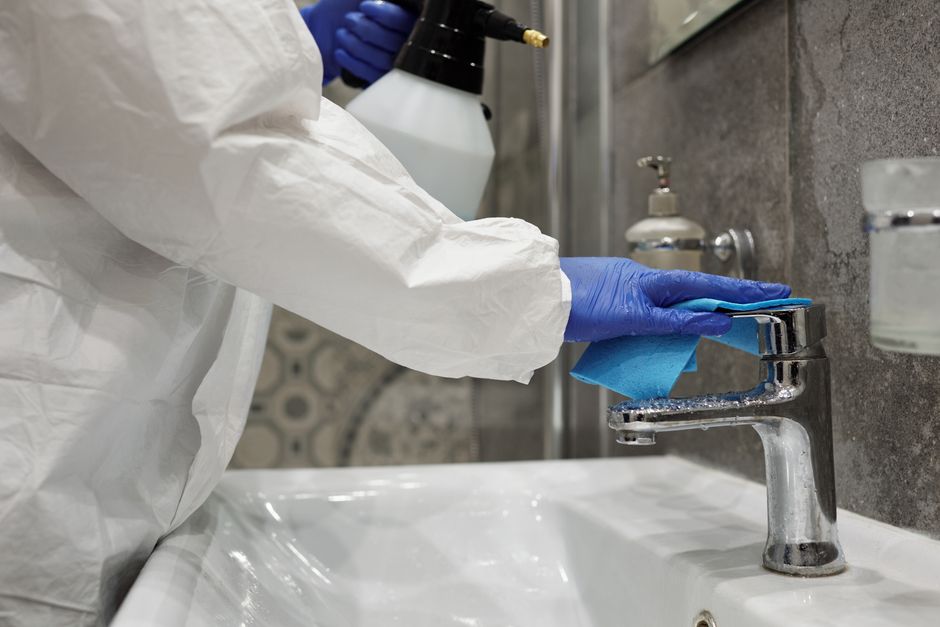
- Never mix bleach with ammonia, vinegar, or other acidic cleaners, because the combinations can release toxic gases. Read more in cleaning products you should never mix.
- Ventilate the room while cleaning and keep the door open for a while afterward.
- Wear gloves and avoid spraying toward your face.
- Store products in their original labeled containers, away from food and out of children’s reach.
- Keep pets and children out of the room until surfaces are dry, if the label advises this.
- Do not use a product on skin or in the eyes unless the label says it is intended for that use.
If a product gets in your eyes, rinse with plenty of water for several minutes and contact a doctor or poison control. If someone has trouble breathing after exposure to fumes, move them to fresh air and call 911. The Poison Help line (1-800-222-1222) can give guidance on exposures in the United States.
Are Household Disinfectants Safe Around Children and Pets?
Disinfectants can be safe around children and pets when used as directed, but they are still chemicals that can cause harm if swallowed, inhaled, or licked. Keep products locked or high up, and keep children and pets away from wet surfaces until they are dry.
If you have asthma, a chronic lung condition, or a household member who is immunocompromised, talk with your doctor before using strong sprays or bleach regularly. They can help you choose the lowest-risk approach for your situation.
When Should You Call a Professional?
Call a professional or a doctor if a household member has symptoms after chemical exposure, if you cannot identify a product’s ingredients, or if a health condition makes you sensitive to fumes. A professional cleaner or your local health department can also advise on disinfecting after a significant illness in the home.
Disinfecting does not fix mold or water damage. If you see mold growing on grout, walls, or ceilings, address the moisture source and consider professional remediation for large areas.
Frequently Asked Questions
Can I Use Vinegar to Disinfect My Bathroom?
Vinegar is generally not an EPA-registered disinfectant, so it should not replace a label-approved product when you need to kill germs. It can help loosen soap scum and mineral deposits, which makes cleaning easier. Never mix vinegar with bleach.
Is Hydrogen Peroxide a Good Bathroom Disinfectant?
Hydrogen peroxide can work well on porcelain, ceramic tile, and glass, and it is a practical option for many bathrooms. It needs to stay wet on the surface for the time listed on the product label. Check that the product is registered for disinfecting if that is your goal.
How Often Should I Disinfect My Bathroom?
Many households clean the bathroom regularly and disinfect high-touch spots more often, especially when someone in the home is sick. Your schedule can be based on how many people use the bathroom and whether anyone has a higher infection risk. Ask a doctor if you have questions about infection risk in your household.
Is Bleach Safe on Bathroom Tile?
Bleach can be used on many glazed ceramic and porcelain tiles when diluted as directed and rinsed well. It can discolor grout and damage some natural stone, so check the surface first. For a broader look at bleach on hard surfaces, see whether bleach is safe for kitchen surfaces.
What Should I Do If Disinfectant Gets in My Eyes?
Rinse your eyes with clean water for at least 15 minutes, remove contact lenses if you can do so easily, and contact a doctor or poison control right away. Bring the product label with you so the provider knows what it contains. Seek emergency care if pain, redness, or vision changes continue.
Conclusion
Household disinfectants are most effective when you clean the surface first, choose a product suited to that material, and keep it wet for the full contact time on the label. EPA-registered products and clear safety habits, such as ventilation and never mixing chemicals, give you the best balance of germ control and safety. When you have health concerns, check with your doctor before changing how you disinfect.
More on Household Disinfectants
- 16 High‑Touch Areas You Need to Disinfect More Frequently
- Clorox vs. Lysol: The Ultimate Kitchen Disinfectant Battle
- Essential Oils for Kitchen Cleaning: Which Ones Actually Disinfect?
- Reviewing the Top 5 Antibacterial Kitchen Sprays
- The Best Antibacterial Wipes for Quick Kitchen Cleanups
- The Science of Clean: How Electrostatic Sprayers Are Revolutionizing Disinfection
- Top 3 Kitchen Countertop Disinfectants
- Top 5 Food-Safe Sanitizers for Prep Areas
Related guides: The Best Toilet Brush Cleaners for a Germ-Free Bathroom · Best Non-Toxic Bleach Alternatives for Cleaning · Best Shower Spray Cleaners for a Sparkling Bathroom
Free tools: Cleaning Products You Should Never Mix
Always follow the product label, test on a hidden area first, and never mix cleaning products such as bleach and ammonia. Read our safety disclaimer and editorial policy.
5 Replies to “7 Best Disinfectants for Bathroom Surfaces”