Your kitchen pantry might be hiding harmful chemicals that you need to avoid. Ban artificial flavors and high fructose corn syrup for better health. MSG can cause adverse reactions in sensitive individuals, while sodium nitrite is linked to cancer risks when cooked at high temperatures. Don’t overlook trans fats and certain preservatives which could compromise your well-being. Also, consider the risks associated with artificial food colorings, as they may affect children’s behavior. There’s more to uncover about these additives.
Artificial Flavors: What Are They and Why Avoid Them?
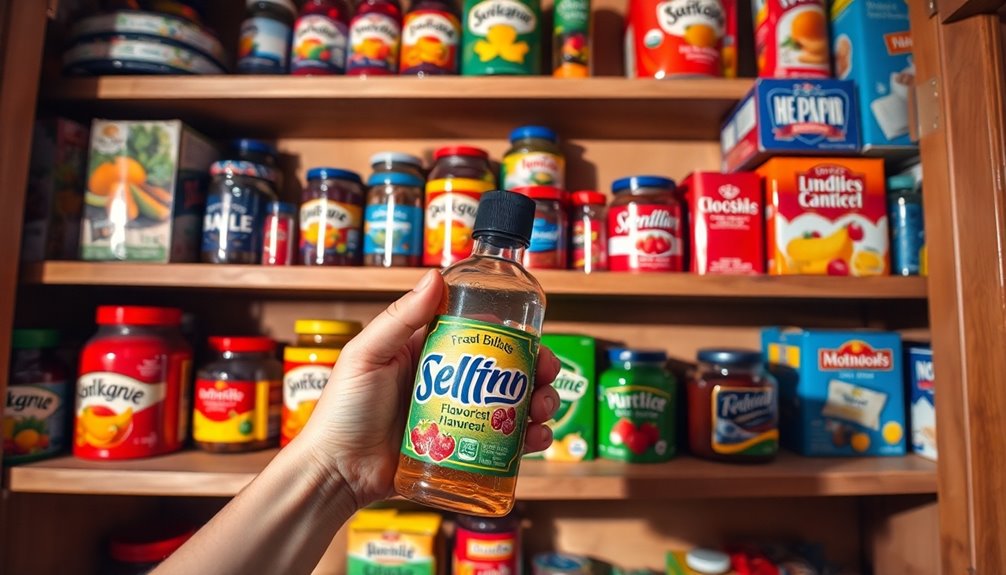
You mightn’t realize it, but artificial flavors are lurking in many of the products you keep in your kitchen pantry. These synthetic additives can mimic natural tastes, but the artificial flavoring effects can be misleading.
Artificial flavors often hide in your pantry, imitating natural tastes but potentially misleading your health.
They often come from chemical processes rather than real ingredients, which may lead to health concerns over time. Studies suggest that frequent consumption of these flavors can trigger allergies and disrupt your body’s natural functions. Additionally, awareness of toxic substances is crucial for a safer kitchen environment.
Fortunately, there are natural flavor alternatives available that not only taste better but are also healthier. By choosing products with real ingredients, you can avoid the potential risks of artificial flavors and enjoy a more wholesome diet.
Your body will thank you for the switch!
High Fructose Corn Syrup: The Hidden Sweetener You Should Ditch
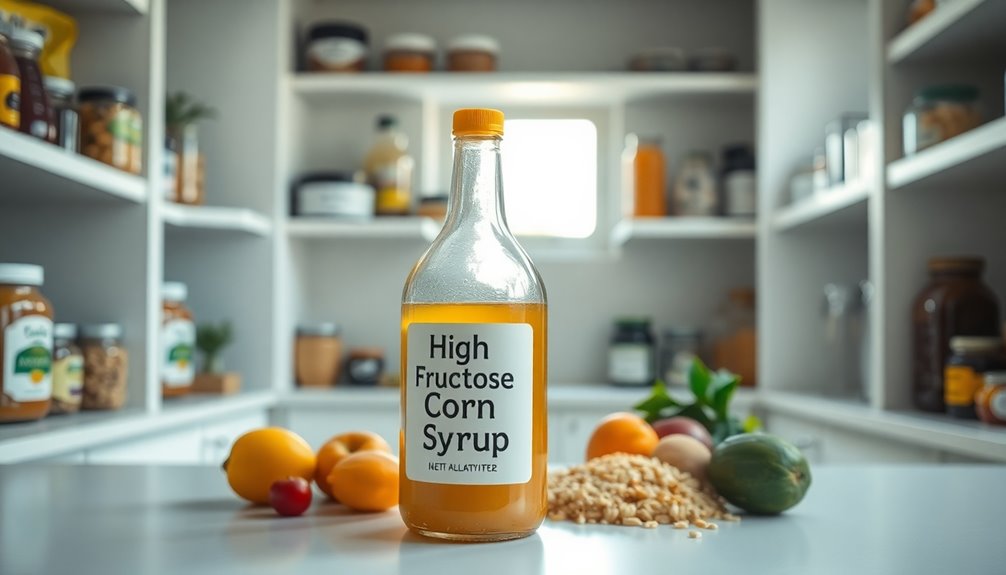
High fructose corn syrup (HFCS) is another culprit you should consider ditching. This sweetener, often found in processed foods, can wreak havoc on your body.
Unlike regular sugar, HFCS disrupts fructose metabolism, leading to increased fat storage and weight gain. It’s crucial to recognize that HFCS is a source of hidden sugars, lurking in everything from sauces to snacks.
Over time, excessive consumption can contribute to serious health issues, including diabetes and heart disease. By eliminating HFCS from your diet, you’ll be taking a significant step toward better health. Additionally, just like soap scum buildup in kitchens, the effects of HFCS may accumulate over time, making it vital to act sooner rather than later.
Swap it out for natural sweeteners like honey or maple syrup for a tastier, healthier alternative.
MSG: Is This Common Flavor Enhancer Dangerous?
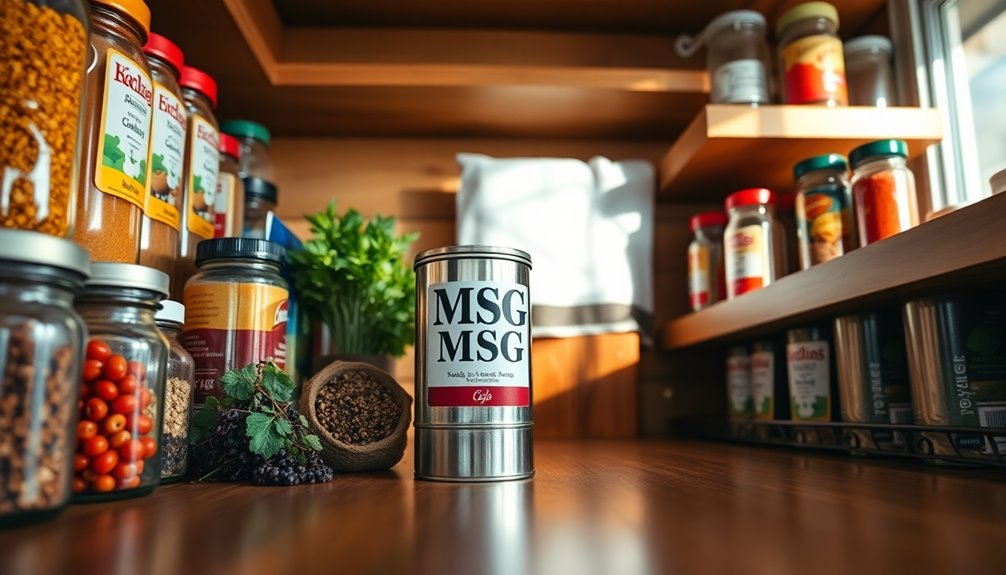
Have you ever wondered if monosodium glutamate (MSG) is as harmless as it seems? This common flavor enhancer has sparked debate over its potential MSG effects.
While many people enjoy its savory taste without issues, some report headaches, dizziness, or allergic reactions after consuming it. Scientific studies generally find MSG safe for most, but if you’re sensitive, it might be best to limit your intake. Additionally, opting for non-toxic cleaning alternatives can help maintain a healthier home environment free from harmful chemicals.
If you’re looking for MSG alternatives, consider natural options like herbs, spices, or nutritional yeast to enhance your dishes without the potential side effects.
Always listen to your body and choose what feels right for you. By being mindful of your pantry, you can create meals that are both flavorful and healthy.
Preservatives: Which Ones Are Harmful and Why You Should Care?
What should you know about the preservatives lurking in your pantry? Many common preservative types can negatively impact your health, so it’s worth paying attention.
For instance, sodium nitrite, often found in processed meats, can form harmful compounds linked to cancer. Another culprit is BHT, frequently used in snacks and cereals, which may disrupt hormone function and lead to other health effects.
Artificial colors like Red 40 often contain preservatives that can trigger allergic reactions or hyperactivity in children. By learning which preservatives to avoid, you can make smarter choices for your health. Additionally, opting for eco-friendly cleaning methods can further enhance your well-being by reducing exposure to harmful substances in your environment.
Always read labels, and opt for fresh or minimally processed foods whenever possible to reduce your exposure to these potentially harmful substances.
Trans Fats: Understanding Their Risks and Finding Alternatives
While avoiding harmful preservatives is a step in the right direction, it’s equally important to steer clear of trans fats, which pose significant health risks.
These unhealthy fats can raise bad cholesterol levels and lower good cholesterol, increasing your risk of heart disease. To protect your heart health, look for trans fat alternatives like olive oil, avocado oil, or coconut oil.
You can also opt for whole foods, such as nuts and seeds, which provide healthy fats. When checking labels, be vigilant for partially hydrogenated oils, a common source of trans fats. Regularly disinfecting surfaces in your kitchen can also contribute to a healthier cooking environment by reducing harmful bacteria.
Sodium Nitrite: What Makes This Additive a Health Concern?
Sodium nitrite, a common preservative found in processed meats, raises significant health concerns due to its potential link to serious diseases.
You might encounter sodium nitrite in bacon, hot dogs, and deli meats, making it a prevalent additive in many kitchens. The sodium nitrite risks include the formation of carcinogenic compounds when exposed to high heat, particularly during cooking.
Regular consumption of these products may increase your chances of developing certain cancers. Additionally, sodium nitrite can cause harmful effects if consumed in large quantities, leading to potential health issues. Being aware of sodium nitrite sources in your pantry is essential for making healthier choices and minimizing your exposure to this controversial additive.
Consider opting for fresh, unprocessed alternatives whenever possible, as specialized deodorizing products can help maintain a fresh kitchen environment.
Food Colorings: Are They Safe or Should You Say Goodbye?
When it comes to food colorings, you might wonder whether natural options are safer than artificial ones.
Many people are concerned about the potential health risks linked to synthetic dyes.
Should you rethink what’s in your pantry or stick with the colors that catch your eye? Additionally, opting for eco-friendly products can reduce exposure to harmful chemicals in various aspects of your life.
Natural Vs. Artificial Colors
As you navigate the colorful world of food, understanding the difference between natural and artificial colors can help you make healthier choices for your kitchen pantry.
Natural pigments, derived from fruits, vegetables, and spices, not only enhance your food’s appearance but may also offer nutritional benefits. On the other hand, synthetic dyes, often found in processed foods, raise concerns about their long-term effects.
Here are three reasons to contemplate natural colors:
- Nutritional Value: Natural pigments can provide vitamins and antioxidants.
- Fewer Chemicals: They typically contain fewer synthetic additives.
- Better Taste: Many find that naturally colored foods taste fresher and more vibrant.
Ultimately, opting for natural colors can transform your meals into healthier, more appealing dishes.
Health Risks Involved
While natural colors can enhance both the appearance and nutritional value of your food, the safety of artificial food colorings remains a topic of concern. Many studies suggest that these additives may have harmful health implications.
You mightn’t realize that some artificial colorings are linked to hyperactivity in children and potential allergic reactions. The long-term effects of consuming these chemicals are still being researched, but evidence suggests a possible connection to serious health issues, including cancer.
Conclusion
Now that you know the toxic chemicals lurking in your kitchen pantry, it’s time to take action. By making conscious choices and ditching artificial flavors, high fructose corn syrup, and other harmful additives, you’ll not only enhance your health but also support a cleaner food industry. Some believe these chemicals are harmless in small amounts, but research suggests they can accumulate over time. So, let’s opt for natural ingredients and truly nourish our bodies!