Start your winter cleaning by deep cleaning your home to eliminate germs and dust. Declutter your spaces to reduce dust accumulation, and don’t forget to wash all bedding and linens weekly. Organize your closets for efficiency and dust high surfaces first. Implement an indoor shoe policy to keep dirt outside, and groom your pets regularly to minimize dander. Consider professional carpet cleaning and schedule HVAC maintenance for ideal air quality. There’s more to learn about creating a healthier home environment.
Start With a Deep Clean of Your Home
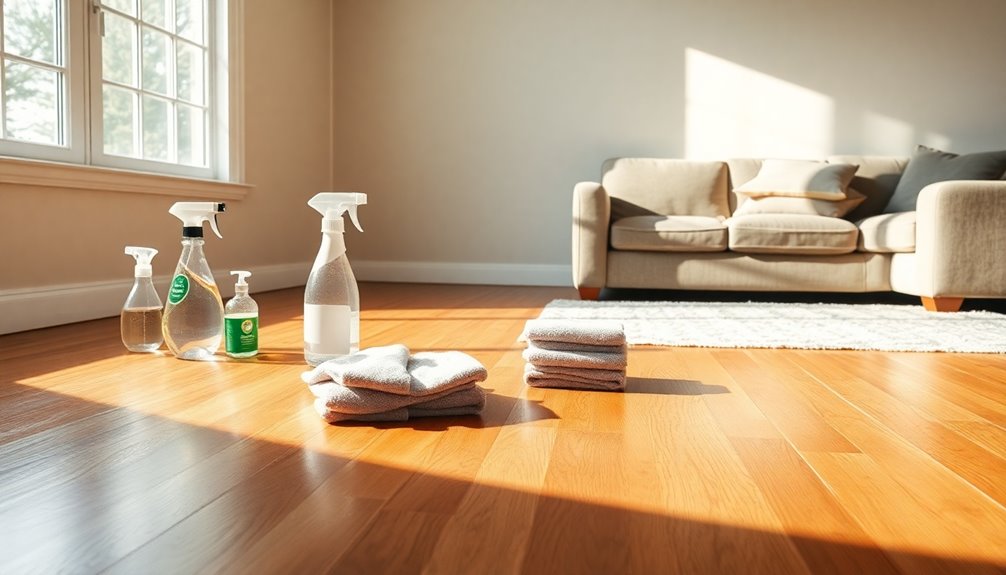
As winter approaches, tackling a deep clean of your home can set the stage for a cozy and welcoming environment.
Start by creating a cleaning checklist that covers every room. Focus on high-traffic areas like the kitchen and living room, ensuring you dust surfaces, vacuum carpets, and mop floors. Don’t forget to clean windows and baseboards, which often collect grime. Additionally, regular cleaning and decluttering high-traffic areas can significantly enhance your home’s comfort and cleanliness during the winter months.
Home organization is key during this process; declutter spaces to make them more functional and inviting. Use baskets or bins to categorize items, making it easier to maintain order.
Declutter to Reduce Dust Accumulation

While you mightn’t realize it, clutter can greatly contribute to dust accumulation in your home. By adopting effective decluttering strategies, you can minimize the amount of dust that settles on surfaces.
Start by focusing on one room at a time, sorting items into keep, donate, or discard piles. This not only clears your space but also makes cleaning easier.
Embracing minimalism benefits your home’s air quality, as fewer items mean fewer places for dust to hide. Consider investing in multifunctional furniture to reduce excess belongings. Regular cleaning can markedly reduce health risks associated with accumulated dust, ensuring a safer environment for you and your family.
Embracing minimalism enhances air quality by limiting dust hiding spots; multifunctional furniture can further help reduce clutter.
You’ll find that a tidier environment not only keeps dust at bay but also promotes a sense of calm. So, tackle that clutter and enjoy a cleaner, healthier living space.
Wash All Bedding and Linens Regularly

Washing your bedding and linens regularly is essential for a clean and healthy home. Aim to wash them at least once a week to eliminate dust mites and allergens. Using the right techniques, like selecting the right water temperature and detergent, can make a big difference in freshness. Regularly washing bed sheets and pillowcases not only helps in maintaining hygiene but also enhances the overall comfort of your sleeping environment.
Frequency of Washing
Keeping your bedding and linens fresh is essential for a healthy home, especially during the winter months. To minimize allergens and germs, aim to wash your sheets and pillowcases at least once a week. This washing frequency helps eliminate dust mites, sweat, and skin cells that accumulate over time.
Don’t forget about your blankets and comforters; they should be laundered every couple of weeks or more frequently if needed. The laundry importance extends to towels and bath mats as well—wash them at least once a week to keep your bathroom hygienic.
Proper Washing Techniques
To guarantee your bedding and linens come out clean and fresh, it’s important to use proper washing techniques. Here are three essential tips to keep in mind:
- Sort your laundry: Separate your linens by color and fabric type. This prevents color bleeding and ascertains even cleaning.
- Use the right detergent: Choose a quality laundry detergent designed for your washing machine. This maximizes cleaning power while being gentle on fabrics.
- Follow care labels: Always check the care labels on your bedding and linens for specific washing instructions, including temperature settings and cycle recommendations.
Clean and Organize Your Closets
While winter brings a cozy charm, it also signals the perfect time to clean and organize your closets. Start by emptying each closet and sorting through your belongings.
Separate items you no longer wear or need, and consider donating them. This is a great opportunity for a seasonal swap; you can exchange clothes with friends to refresh your wardrobe without spending a dime.
Next, categorize the items you want to keep—group similar things together, like sweaters, boots, and accessories. Invest in some storage bins or organizers to maximize space.
Categorize and group similar items like sweaters and accessories, and use storage bins to optimize your closet space.
As you put everything back, make sure to keep frequently used items at eye level for easy access. A well-organized closet makes winter feel so much more inviting! Additionally, regularly reassessing your organization system will help you eliminate items that no longer belong.
Dust High Surfaces First, Then Move Down
When tackling winter cleaning, start by dusting high surfaces first—this guarantees that any debris falls down to areas you’ll clean later.
High dusting is essential to guarantee a thorough clean, so grab your favorite cleaning tools and get started.
Here are three key areas to focus on:
- Ceiling fans: Wipe the blades to prevent dust from spreading.
- Shelves and cabinets: Remove items first, then dust the surfaces.
- Light fixtures: Don’t forget to clear away dust from chandeliers and lamps. Regularly using non-toxic cleaners promotes a hygienic environment while prioritizing family safety.
Use Microfiber Cloths for Effective Dusting
When it comes to dusting, microfiber cloths are your best friend.
They trap dust and allergens effectively, making your cleaning routine more efficient.
Plus, knowing how to care for them will guarantee they last through many winters to come. Additionally, using microfiber technology enhances their effectiveness in removing dirt and bacteria without harmful chemicals.
Benefits of Microfiber Cloths
Microfiber cloths are your best ally for effective dusting during winter cleaning. Their unique fibers trap dust and dirt, boosting your cleaning efficiency.
Here are three key microfiber benefits you can enjoy:
- Superior Absorption: Microfiber can hold up to seven times its weight in moisture, making it excellent for wiping surfaces without leaving streaks.
- Electrostatic Charge: The fibers create an electrostatic charge, attracting and holding onto dust particles, so you don’t just push dust around.
- Machine Washable: You can easily wash and reuse microfiber cloths, reducing waste and saving money in the long run.
Proper Cleaning Techniques
Using microfiber cloths effectively can transform your winter cleaning routine. These cloths are designed to trap dust and allergens, making them essential for efficient dust management.
Start by dampening the cloth slightly; this helps attract dust rather than just moving it around. When dusting surfaces, wipe in a straight line and follow with a clean side of the cloth to guarantee maximum effectiveness.
For electronic devices, a dry microfiber cloth works best to avoid streaks. Regularly wash your microfiber cloths to maintain their cleaning power, as dirt buildup can hinder performance.
Incorporating microfiber cloths into your cleaning routines not only enhances your efforts but also contributes to a healthier indoor environment.
Maintenance and Care Tips
To keep your microfiber cloths in top condition, it’s essential to follow a few simple maintenance tips. Proper care not only extends their life but also guarantees they remain effective cleaning supplies in your winter cleaning routine.
Here are three key organization strategies to remember:
- Wash Separately: Always wash your microfiber cloths separately from other fabrics to avoid lint buildup, which can hinder their dust-attracting capabilities.
- Use Gentle Detergents: Opt for mild detergents without fabric softeners, as these can damage the fibers and reduce cleaning effectiveness.
- Air Dry: Instead of using a dryer, air dry your cloths to maintain their structure and longevity.
Vacuum Frequently With a HEPA Filter
Vacuuming regularly with a HEPA filter can drastically improve your home’s air quality during the winter months. HEPA filters trap tiny particles, including dust mites, pet dander, and allergens, ensuring cleaner air for you and your family.
Make sure to adjust your vacuum settings according to the type of flooring you’re cleaning; different surfaces may require different suction levels for ideal results. Additionally, don’t forget about filter maintenance—check your HEPA filter regularly and replace it as needed to maintain its effectiveness. A well-maintained vacuum will work wonders in reducing indoor dust and germs, helping you create a healthier living environment. Regular filter cleaning is essential for optimal performance, so grab that vacuum and start cleaning to breathe easier this winter!
Clean Air Vents and Replace Filters
Maintaining clean air quality goes beyond vacuuming; it also involves taking care of your air vents and filters. Your ventilation system plays an essential role in keeping indoor air fresh and free of dust and allergens.
Here’s how you can effectively maintain it:
- Inspect air vents: Regularly check for any dust buildup or blockages. Clean them with a damp cloth to guarantee proper airflow.
- Replace air filters: Change your air filter every 1-3 months, depending on usage. A fresh air filter traps more pollutants, enhancing your indoor air quality.
- Schedule professional cleaning: Consider hiring a professional to deep-clean your ventilation system annually, making sure it operates efficiently. Additionally, eco-friendly methods for maintaining air quality can help reduce harmful pollutants in your home environment.
Sanitize High-Touch Surfaces Daily
Many people overlook the importance of sanitizing high-touch surfaces, but doing so daily can greatly reduce the spread of germs. High touch zones like doorknobs, light switches, and remote controls are notorious germ hotspots.
By regularly wiping these areas with a disinfectant, you’re not just cleaning; you’re actively protecting your health and that of your family. Make it a habit to include these surfaces in your daily cleaning routine, especially during winter when germs thrive. Additionally, using high-efficiency filters in air purifiers can further help reduce indoor allergens and germs in your home.
Use disposable wipes or a spray solution with a cloth, ensuring you cover every inch of these high-touch zones. Remember, a few minutes spent sanitizing can lead to a healthier home environment, minimizing the risk of illness this season.
Disinfect Your Kitchen and Bathroom Thoroughly
Since the kitchen and bathroom are often breeding grounds for germs, it’s crucial to disinfect these areas thoroughly, especially during the winter months.
Use effective kitchen disinfectants and bathroom sanitizers to guarantee a clean environment. Here are three key areas to focus on:
- Counters and Sinks: Wipe down surfaces with a powerful kitchen disinfectant to eliminate bacteria and foodborne germs.
- Toilets and Showers: Use bathroom sanitizers to scrub toilets and shower areas, paying special attention to handles and faucets.
- Sponges and Dishcloths: Replace or disinfect your sponges and dishcloths regularly, as they can harbor germs. Additionally, ensure you maintain a clean dishwasher to prevent germ accumulation in your kitchen.
Maintain a Clean Humidifier for Better Air Quality
To keep your air quality healthy this winter, you should maintain a clean humidifier.
Set a regular cleaning schedule and use distilled water to prevent mineral buildup.
Taking these simple steps will help you breathe easier and enjoy a more comfortable home.
Regular Cleaning Schedule
Regularly maintaining your humidifier is essential for guaranteeing better air quality throughout the winter months.
A consistent cleaning routine can greatly enhance dust management and prevent the growth of harmful germs.
Here’s how you can keep your humidifier in top shape:
- Weekly Wipe-Down: Use a soft cloth to clean the exterior and remove any dust buildup.
- Monthly Deep Clean: Disassemble the unit and soak parts in a mild vinegar solution to eliminate mineral deposits and bacteria.
- Filter Replacement: Check the filter every month and replace it as needed to guarantee peak performance.
Use Distilled Water
Using distilled water in your humidifier not only helps maintain better air quality but also extends the life of the device itself.
The distilled water benefits are clear: it’s free from minerals and impurities that can cause buildup in your humidifier. This means less maintenance and fewer repairs down the line.
When you use distilled water, you reduce the chances of dispersing harmful particles into the air, making your indoor environment safer and healthier.
Additionally, distilled water usage can improve the efficiency of your humidifier, ensuring it operates smoothly.
By choosing distilled water, you’re not just enhancing your air quality; you’re also investing in the longevity of your humidifier.
Keep Windows Open on Mild Days to Air Out Space
While winter often brings colder temperatures, taking advantage of mild days can greatly improve your home’s air quality.
Taking advantage of mild winter days can significantly enhance your home’s air quality.
Opening your windows allows fresh air to circulate, enhancing indoor ventilation and reducing dust and germs.
Here are three tips to make the most of those mild days:
- Time it Right: Open windows during the warmest part of the day, usually between noon and 3 PM.
- Create a Cross Breeze: Open windows on opposite sides of your home to encourage airflow and maximize ventilation.
- Limit Exposure: Keep windows open for about 10-15 minutes to refresh the air without letting the chill in for too long.
Use Natural Cleaning Products for a Healthier Home
After revitalizing your indoor air, consider what you’re using to clean your home.
Many conventional cleaning products contain harsh chemicals that can linger in the air and on surfaces, potentially harming your health. Instead, opt for eco-friendly alternatives that are just as effective but much safer.
Look for chemical-free solutions made from natural ingredients like vinegar, baking soda, and essential oils. These products not only reduce your exposure to toxic substances but also minimize environmental impact.
Plus, they often come with added benefits, like leaving your home smelling fresh without synthetic fragrances.
By choosing natural cleaning products, you’re taking a step towards a healthier living space for you and your loved ones.
Make the switch today!
Store Seasonal Items Properly to Prevent Dust Buildup
To keep your seasonal items dust-free, store them in airtight bins that seal out moisture and dirt.
Make sure to label everything clearly, so you can easily find what you need when the seasons change.
Additionally, maintaining ideal temperature conditions will help preserve your items and keep them in top shape.
Use Airtight Storage Bins
As you plunge into your winter cleaning, using airtight storage bins can make a significant difference in how you store seasonal items.
These bins not only keep dust at bay but also protect your belongings from moisture and pests.
Here are three airtight benefits to evaluate:
- Dust Prevention: Your items stay clean and dust-free, making unpacking a breeze.
- Moisture Control: Airtight bins prevent dampness, reducing the risk of mold and mildew.
- Pest Deterrent: Keep insects and rodents away from your seasonal gear with secure storage solutions.
Label Everything Clearly
Once you’ve organized your seasonal items in airtight storage bins, the next step is to label everything clearly.
Using effective labeling systems not only helps you identify what’s inside each bin but also streamlines your cleaning process. Choose a method that works for you, whether it’s color coding, simple tags, or a more detailed inventory list.
This way, you can quickly find what you need without sifting through dust-covered boxes. Consistency is key; stick to your organization strategies so that everything remains easy to locate.
Clear labels also guarantee that you won’t accidentally mix summer gear with winter supplies, which can save you time and effort when it’s time to switch seasons.
Maintain Ideal Temperature Conditions
Maintaining ideal temperature conditions is essential for preserving your seasonal items and preventing dust buildup. Proper temperature control and indoor humidity can make a big difference in keeping your belongings safe from moisture and dust.
Here are three tips to help you store your items effectively:
- Use airtight containers: Seal your seasonal items in airtight bins to prevent dust and humidity from getting in.
- Keep the temperature consistent: Aim for a stable temperature range (ideally between 60-70°F) to avoid damage from extreme fluctuations.
- Monitor humidity levels: Use a dehumidifier if needed to maintain indoor humidity around 30-50%, ensuring your items stay dry and protected.
Implement an Indoor Shoe Policy
Implementing an indoor shoe policy can greatly reduce the dirt and debris that gets tracked into your home during the winter months.
By asking family and guests to remove their shoes at the door, you’re actively promoting germ prevention and keeping your indoor environment cleaner.
To make this easier, consider providing a designated area for shoes, along with cozy slippers or socks for comfort.
You might also want to hang a sign as a friendly reminder.
This simple change not only minimizes the amount of grime brought inside but also helps you maintain a healthier living space.
Clean Pets Regularly to Minimize Dander
To keep your home dander-free this winter, set up a regular bathing schedule for your pets.
Using the right grooming tools can make this task easier and more effective.
Regular Bathing Schedule
A regular bathing schedule for your pets can greatly reduce dander and keep your home cleaner during the winter months.
Not only does it enhance your pet’s skin health, but it also brings several bath time benefits.
Here are three reasons to stick to a routine:
- Reduced Allergens: Bathing removes loose hair and dander, minimizing allergens in your environment.
- Improved Skin Health: Regular baths help maintain your pet’s skin moisture, preventing dryness and irritation.
- Bonding Time: Bath time can strengthen your relationship with your pet, turning it into a fun and enjoyable experience.
Grooming Tools Essentials
While regular baths are essential for keeping your pet clean, having the right grooming tools is equally important for minimizing dander and maintaining their overall health.
Start by investing in essential grooming supplies like brushes, combs, and nail clippers. Different grooming tool types serve specific purposes; for instance, slicker brushes help remove loose fur, while de-shedding tools tackle undercoats effectively.
Don’t forget about grooming wipes for quick clean-ups between baths. Regularly using these tools not only reduces dander but also promotes a healthier coat and skin.
Make grooming a fun routine, and your pet will appreciate the extra attention while keeping your home cleaner and more comfortable.
Tackle Your Carpets and Rugs With Professional Cleaning
If you want your home to feel fresh and inviting this winter, tackling your carpets and rugs with professional cleaning is essential. Not only does it enhance the appearance of your space, but it also contributes to better indoor air quality.
Transform your home this winter with professional carpet cleaning for a fresh, inviting atmosphere and improved indoor air quality.
Here are three reasons to regard professional services for carpet maintenance and rug sanitization:
- Deep Cleaning: Professionals use specialized equipment to remove dirt and allergens that regular vacuuming can’t reach.
- Extended Lifespan: Regular professional cleaning helps maintain your carpets and rugs, prolonging their lifespan.
- Health Benefits: Eliminating dust mites and bacteria improves your home’s overall hygiene.
Investing in professional cleaning guarantees your carpets and rugs stay vibrant and healthy throughout the winter season.
Schedule Regular Maintenance for HVAC Systems
To keep your home comfortable this winter, scheduling regular maintenance for your HVAC system is essential. This proactive approach not only boosts HVAC efficiency but also helps prevent unexpected breakdowns during the coldest months.
Start with system inspections to check for any issues, like dirty filters or worn-out components. These simple checks can dramatically improve airflow and heating performance.
Additionally, consider cleaning the ducts and ensuring proper insulation around your system to maximize efficiency. By investing a little time now, you’ll save on energy bills and extend the lifespan of your HVAC system.
Don’t wait until the first cold snap hits—schedule your maintenance today and enjoy a cozy, healthy home all winter long.
Conclusion
As winter’s chill settles in, think of your home as a cozy cabin in the woods. Just as the forest sheds its leaves, you can lighten your space by decluttering and deep cleaning. By nurturing your indoor environment, you’re crafting a warm haven that keeps germs and dust at bay. So, embrace these tips like a gentle snowfall, transforming your home into a sparkling retreat where health and comfort thrive all season long.