You might be making your home dirtier without even realizing it. Using the wrong cleaning products can damage surfaces and create more mess. Neglecting to read product labels often leads to ineffective cleaning. Don’t forget to dust before vacuuming to prevent dirt from resettling. And remember to sanitize high-touch areas and use clean tools. If you overlook deep cleaning tasks and proper flooring care, you’ll end up with grime. Discover more common mistakes that could be affecting your home.
Using the Wrong Cleaning Products for Surfaces
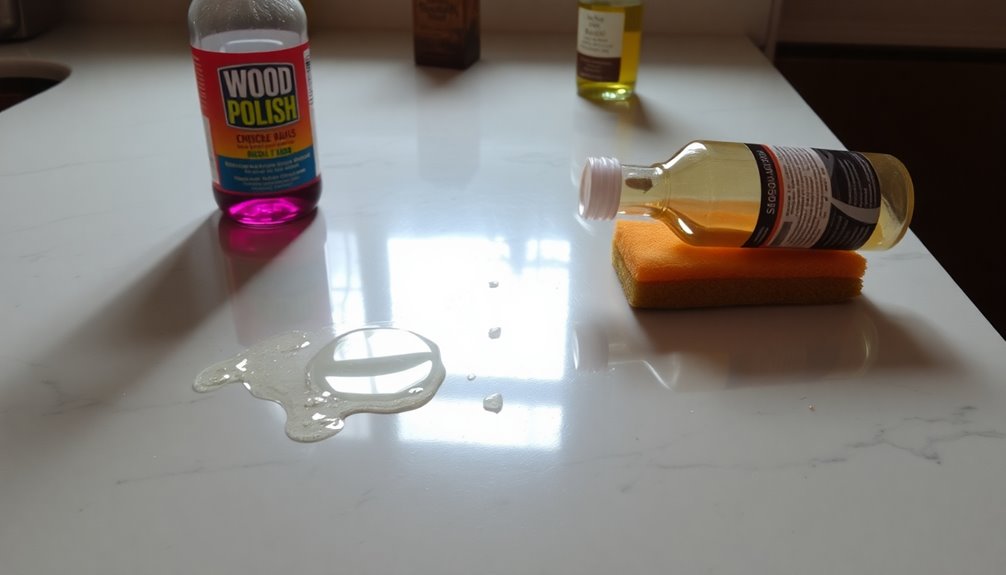
Have you ever wondered how the wrong cleaning product can ruin your surfaces? Using cleaners that aren’t compatible with your surfaces can lead to damage that’s both costly and frustrating.
For instance, harsh chemicals can eat away at laminate or leave streaks on glass. When you choose a cleaner, consider its surface compatibility to guarantee it won’t cause harm.
Additionally, the effectiveness of a product hinges on how well it works with the surface you’re cleaning. A great cleaner for one material mightn’t work at all on another. To keep your home looking its best, always match your cleaning products with the surfaces they’re meant for. This simple step can enhance product effectiveness and protect your investment in your home. Moreover, using the wrong products can lead to permanent stains on surfaces like stainless steel appliances, which can be especially difficult to remove.
Neglecting to Read Product Labels Before Use
When you grab a cleaning product, it’s essential to read the label first. Not only does it provide important instructions for effective use, but it also outlines safety precautions you shouldn’t ignore. Skipping this step can lead to ineffective cleaning or even hazardous situations. Additionally, many store-bought products contain harmful toxins that can affect indoor air quality.
Importance Of Instructions
Neglecting to read product labels before use can lead to costly mistakes and potential safety hazards. You might think you know how to use a cleaner, but without checking the cleaning manuals or product guidelines, you could be misusing it.
Each product comes with specific instructions to guarantee effectiveness and safety. For instance, some cleaners require dilution, while others should never be mixed with certain substances. By skipping this step, you risk damaging surfaces or even creating harmful reactions.
Taking a few moments to read the labels can save you time, money, and unnecessary frustration. Always prioritize understanding how to use your cleaning products properly to achieve the best results and maintain a safe environment.
Safety Precautions To Consider
Before diving into cleaning, it’s important to take into account the safety precautions that come with each product. Neglecting to read product labels can lead to dangerous situations. Always prioritize chemical safety to protect yourself and your home.
Here are some key precautions to remember:
- Wear appropriate protective gear, like gloves and masks, to shield yourself from harmful substances.
- Maintain proper ventilation while using strong cleaners to avoid inhaling toxic fumes.
- Keep cleaning products out of reach of children and pets to prevent accidental exposure.
Failing to Dust Before Vacuuming
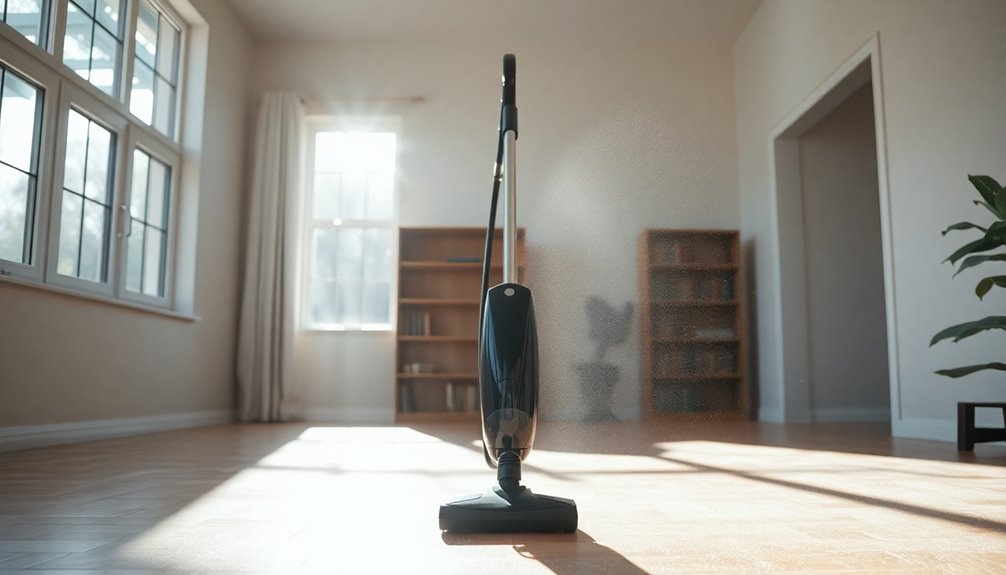
If you skip dusting before vacuuming, you’re missing an essential step in your cleaning routine.
Dust can settle back onto surfaces after you vacuum, leaving your space less clean than you intended.
Importance of Proper Order
While it might seem efficient to vacuum first, doing so without dusting can lead to a less effective clean. A proper cleaning sequence is vital for achieving the best results.
By following a systematic approach, you guarantee that all surfaces are thoroughly cleaned.
Here’s why dusting first matters:
- Prevents Dust Redistribution: Dust settles on surfaces, and vacuuming first can kick it back into the air.
- Enhances Vacuum Efficiency: Dusting removes particles that might otherwise clog your vacuum.
- Saves Time: You won’t have to go over areas again because you missed dust.
Dust Settling on Surfaces
When you skip dusting and dive straight into vacuuming, you’re likely to see dust re-settle on surfaces, undermining your efforts. This common mistake can amplify dust accumulation effects, making your home feel dirtier than before.
When you vacuum, you stir up dust particles that float in the air, only to land back on furniture and countertops. To avoid this, employ effective dusting techniques first.
Start from the top—dust ceiling fans and shelves—letting debris fall onto surfaces below. Then, you can vacuum the floors, ensuring all dust is captured.
Efficient Cleaning Techniques
Many people overlook the importance of a systematic cleaning approach, leading to inefficient results.
One common mistake is failing to dust before vacuuming. If you want to improve your efficient cleaning habits, follow these tips:
- Dust first: This guarantees all particles settle to the floor, making vacuuming more effective.
- Use the right tools: Microfiber cloths trap dust better than traditional dusters.
- Work top to bottom: Start with higher surfaces and work your way down to avoid re-cleaning areas.
Overlooking High-Touch Areas in Your Home
High-touch areas in your home are often the most overlooked spots during cleaning. These high touch surfaces, like doorknobs, light switches, and remote controls, can harbor germs and dirt, making them essential for frequent sanitization.
When you clean, don’t just wipe down surfaces; make sure you give these areas the attention they deserve. A quick swipe isn’t enough; use disinfectant wipes or sprays to thoroughly sanitize. For effective results, consider using products like Lysol Disinfectant Spray, which kills 99.9% of germs and viruses.
If you skip these spots, you might inadvertently spread germs around your home, making it dirtier instead of cleaner. Remember, it only takes a few minutes to target these high-touch areas, and doing so will help maintain a healthier living space for you and your family.
Using Dirty Cleaning Tools and Supplies
Using dirty cleaning tools and supplies can undermine your efforts to maintain a clean home. If you’re using equipment that’s just as grimy as the surfaces you’re trying to clean, you’re not doing yourself any favors.
Here are some common culprits:
- Contaminated sponges that spread germs instead of removing them
- Dusty vacuums that blow dirt back into the air
- Grimy rags that smear dirt rather than wipe it away
Make sure you wash your brushes and brooms regularly, and don’t forget about those stained scrubbers. Cleaning your sponges every few days is essential to prevent bacteria growth that can compromise your kitchen hygiene.
A dirty mop or oily cloth will only lead to more mess, so keep your cleaning supplies in check. This simple step can make a big difference in your cleaning routine!
Skipping Regular Maintenance Cleaning
Cleaning tools may be spotless, but if you’re skipping regular maintenance cleaning, you’re still facing an uphill battle.
A consistent cleaning schedule is essential for keeping your home fresh and dirt-free. When you neglect routine maintenance, dirt and grime can accumulate, making deep cleans more challenging and time-consuming.
It’s easy to overlook small tasks like dusting shelves or wiping down appliances, but these minor efforts can prevent larger messes from building up. Set aside a few minutes each week to tackle these tasks, and you’ll find that your home stays cleaner with less effort. Regularly dusting surfaces helps minimize allergens and keeps your living space inviting.
Not Allowing Enough Time for Cleaning Solutions to Work
When you use cleaning solutions, it’s essential to follow product instructions carefully. If you don’t allow the proper dwell time, you mightn’t achieve the results you want. Remember to rinse thoroughly after use to remove any residue and keep surfaces safe. Regular use of non-toxic cleaners promotes a hygienic environment while prioritizing family safety.
Follow Product Instructions Carefully
If you rush through the cleaning process, you might miss the opportunity for your cleaning products to work effectively.
It’s essential to follow product instructions carefully to guarantee maximum product effectiveness and maintain cleaning consistency. Here are a few tips to keep in mind:
- Read the label: Each product has specific instructions for best use.
- Allow time: Don’t skip the recommended dwell time; it’s critical for the solution to penetrate and lift dirt.
- Use the right amount: Overusing products can lead to residue and ineffective cleaning.
Allow Proper Dwell Time
To achieve the best results with your cleaning solutions, allowing proper dwell time is essential. Many people rush through cleaning, thinking that a quick spray and wipe will suffice.
However, without adequate dwell time, you’re undermining the cleaning effectiveness of the products you’re using. Most cleaning solutions need a few minutes to break down dirt, grime, and stains.
Skipping this step may leave residues behind, making your surfaces appear dirtier than before. So, next time you apply a cleaner, take a moment to read the label and follow the recommended dwell time.
This small adjustment can greatly enhance your cleaning routine, ensuring you get the results you expect while keeping your home looking its best.
Rinse Thoroughly After Use
After allowing your cleaning solution adequate dwell time, rinsing thoroughly is essential to confirm that no residue is left behind.
Neglecting to rinse can lead to unwanted cleaning residue, which can attract dirt and grime, ultimately making your home dirtier.
To confirm rinse effectiveness, keep these tips in mind:
- Use plenty of clean water to wash away any remaining solution.
- Change your rinse water frequently to avoid reapplying dirt.
- Pay special attention to high-touch areas, like doorknobs and light switches.
Using Too Much Product Instead of the Right Amount
While it might seem logical that using more cleaning product will yield better results, overdoing it can actually lead to more harm than good.
Overusing cleaners can leave behind sticky residues, making surfaces attract dirt and grime more quickly. Instead of achieving a spotless finish, you might end up with a dirtier home.
It’s essential to follow instructions and achieve proper dilution for peak cleaning power. When you use the right amount, you not only save money but also reduce the environmental impact of excess chemicals. Additionally, using eco-friendly products can help minimize harmful residues while effectively combating soap scum buildup.
Forgetting to Clean Your Cleaning Tools
When you forget to clean your cleaning tools, you’re creating a breeding ground for bacteria. This not only leads to ineffective cleaning results but also neglects the maintenance your tools need to perform their best. Regularly cleaning your tools is essential for effective and safe cleaning, as sponges can harbor millions of bacteria if not properly maintained when used improperly.
Bacteria Breeding Ground
Although you might think you’re cleaning effectively, neglecting to clean your cleaning tools can turn them into a breeding ground for bacteria.
These unseen bacteria types thrive in damp, unwashed environments, leading to bacteria transmission throughout your home.
To prevent this, make sure to focus on:
- Regular cleaning frequency: Wipe down your mops, sponges, and brushes after each use.
- Target bacteria hotspots: Pay special attention to areas like kitchen sponges and bathroom brushes, where bacteria thrive.
- Use proper cleaning techniques: Soak tools in hot, soapy water or disinfectant to eliminate harmful bacteria.
Ineffective Cleaning Results
Neglecting to clean your cleaning tools can lead to ineffective cleaning results, leaving your home less hygienic than you intended.
When you use dirty mops, sponges, or cloths, you’re fundamentally just redistributing dirt and germs rather than removing them. This can result in ineffective techniques that fail to eliminate stains or bacteria.
You might think you’re cleaning effectively, but with incorrect methods—like using a soiled rag—you’re actually making things worse.
It’s essential to regularly wash and sanitize your tools to guarantee they work as intended.
By keeping your cleaning arsenal fresh, you’ll improve your overall cleaning efficacy, making your home a healthier and more pleasant place to live.
Don’t overlook this significant step in your cleaning routine!
Neglecting Tool Maintenance
If you forget to clean your cleaning tools regularly, you’re setting yourself up for a cycle of ineffective cleaning.
Dirty sponges, mops, and brushes can spread grime instead of removing it. To keep your tools effective, establish a maintenance schedule that includes:
- Rinsing sponges and mops after each use to remove residue.
- Washing your vacuum filters and brushes regularly to prevent clogs.
- Replacing worn-out tools to maintain their cleaning power.
Cleaning From the Bottom up Instead of Top Down
When you clean a room, starting from the top down might seem logical, but it often leads to unnecessary work. Dust and debris from higher surfaces can fall onto lower ones, forcing you to clean those areas again. Instead, consider effective strategies that begin at the bottom. Start with sweeping or vacuuming floors and then move to surfaces like tables and countertops. This way, you won’t have to re-clean areas that get dirtied by falling dust. Additionally, remember to regularly wipe down surfaces to maintain cleanliness and prevent buildup.
Rushing Through Your Cleaning Routine
Although it might feel tempting to rush through your cleaning routine to get it over with, doing so often leads to missed spots and a less-than-satisfactory outcome.
Instead, focus on time management to boost your cleaning efficiency. Here are some tips to help you clean effectively without the rush:
- Prioritize tasks: Identify the areas that need the most attention and tackle them first.
- Set a timer: Allocate specific time blocks for each task to maintain a steady pace without hurrying.
- Stay organized: Keep cleaning supplies handy to avoid wasting time searching for items.
Additionally, establishing a cleaning schedule can help maintain consistency and ensure that no areas are neglected during your routine.
Ignoring the Importance of Airflow When Cleaning
When cleaning, you might overlook how essential airflow is for effective results.
Proper ventilation helps dust and allergens move out of your space, making your efforts more worthwhile.
Importance Of Ventilation
While you might focus on wiping surfaces and scrubbing floors, neglecting proper ventilation can undermine your cleaning efforts.
Good airflow is essential for maximizing the ventilation benefits, ensuring your home remains fresh and clean.
Consider these points:
- Improved Air Quality: Ventilation helps remove dust, allergens, and pollutants, creating a healthier environment.
- Faster Drying: Proper airflow speeds up the drying process of cleaned surfaces, preventing mold and mildew growth.
- Odor Elimination: Fresh air circulation helps to dissipate any lingering odors from cleaning products or spills.
Dust Movement Dynamics
Ignoring the dynamics of dust movement can considerably hinder your cleaning efforts, as stale air allows dust particles to settle and accumulate.
When you clean without considering air circulation dynamics, you’re likely just moving dust around, not removing it. Adequate airflow helps lift and disperse dust particles, making it easier for you to capture them with your cleaning tools.
To improve your cleaning routine, open windows or use fans to create a cross-breeze, enhancing dust particle movement. By doing this, you’ll prevent dust from resettling on surfaces after you’ve cleaned.
Using the Same Cloth for Multiple Surfaces
Using the same cloth for multiple surfaces might seem efficient, but it can actually spread germs and dirt around your home. This practice raises cross-contamination risks that you should avoid.
Using a single cloth for various surfaces may appear convenient, but it risks spreading germs and dirt throughout your home.
Different surfaces harbor different types of bacteria, and using one cloth can transfer these germs everywhere.
Here are some tips to keep in mind:
- Use separate cleaning cloths for kitchen, bathroom, and general dusting.
- Wash your cloths frequently to eliminate built-up grime and bacteria.
- Consider using disposable wipes for high-germ areas to minimize cross-contamination.
Not Cleaning Fabrics and Upholstery Regularly
If you don’t clean your fabrics and upholstery regularly, you’re allowing dust, allergens, and odors to accumulate in your home. Neglecting upholstery cleaning can lead to more than just an unpleasant smell; it can trigger allergies and compromise your indoor air quality.
Regular fabric care is essential to maintaining a healthy living environment. You should vacuum your upholstery weekly to remove dust and debris, and consider using a fabric-safe cleaner for deeper stains.
Don’t forget about cushions and throws—their surfaces can harbor dirt, too. Establish a cleaning routine to refresh your fabrics and keep your home feeling fresh and inviting.
Disregarding the Differences Between Types of Flooring
While many homeowners might think all flooring types can be cleaned the same way, disregarding their differences can lead to damage and ineffective cleaning.
Each flooring type requires specific care to maintain its appearance and longevity. Here are some essential tips:
Different flooring types need tailored care to preserve their look and extend their lifespan.
- Hardwood care: Use a damp mop and avoid harsh chemicals to prevent warping.
- Tile treatment: Regularly seal grout lines to keep them clean and prevent staining.
- Carpet maintenance: Vacuum frequently and spot clean to avoid deep-set stains.
Avoiding Deep Cleaning Tasks Too Often
Although you might think that deep cleaning is necessary for maintaining a spotless home, overdoing it can actually lead to wear and tear on surfaces and furnishings.
Finding the right deep cleaning frequency is essential. Rather than scrubbing every inch of your home weekly, consider incorporating deep cleaning tasks into your cleaning schedule every few months. This way, you can maintain cleanliness without damaging your belongings.
Prioritize high-traffic areas or spots that accumulate dirt more quickly, and tackle these during your scheduled deep cleaning sessions. By balancing routine cleaning with occasional deep cleaning, you’ll keep your home looking fresh and prevent unnecessary wear.
Using Furniture Polish on All Surfaces
Using furniture polish on all surfaces might seem like a quick way to achieve a gleaming finish, but it can actually do more harm than good. Many people overlook the importance of surface compatibility, leading to sticky residues or even damage.
Here are some key points to reflect on:
- Not all surfaces are compatible: Fabric, glass, and certain finishes can react poorly to furniture polish.
- Build-up over time: Regular use on inappropriate surfaces can lead to unsightly buildup, making cleaning harder in the long run.
- Health risks: Some polishes contain chemicals that can cause respiratory issues or skin irritation, especially in closed spaces.
Instead, tailor your cleaning products to the specific surfaces in your home for a safer and more effective clean.
Neglecting to Organize Before Cleaning
Before diving into a cleaning session, it’s essential to take a moment to organize your space. If you skip this step, you might just end up pushing dirt and clutter around without really cleaning anything.
Start with some effective organizing strategies, like sorting items into keep, donate, and toss piles. Utilize decluttering tips, such as setting a timer for quick sessions to tackle one area at a time.
By removing unnecessary items, you’ll create a clearer path for effective cleaning. Plus, organized spaces are easier to maintain, helping you save time in the long run.
Conclusion
You might think you’re cleaning your home, but if you’re making these common mistakes, you could be spreading dirt instead. It’s ironic, isn’t it? You grab that fancy cleaner, but forget to check the label, or dust after vacuuming. Organizing before cleaning might seem like a chore, but it’s the secret to a truly clean home. So, next time you tidy up, remember: the path to cleanliness might just require a little less haste and a bit more thought.