To remove permanent marker stains, start by using sunscreen on walls; just spray it on and gently rub with a cloth. For wood surfaces, dab rubbing alcohol with a soft cloth, testing first to avoid damage. On fabric, blot the stain with a towel and apply denatured alcohol or hand sanitizer. Always test any solution on a hidden area first. If these methods aren’t working, stick around for more tips on stubborn stains and prevention strategies.
Effective Methods for Removing Permanent Marker From Walls
When you discover a permanent marker stain on your wall, it can feel frustrating, but there’s a surprisingly effective solution: sunscreen.
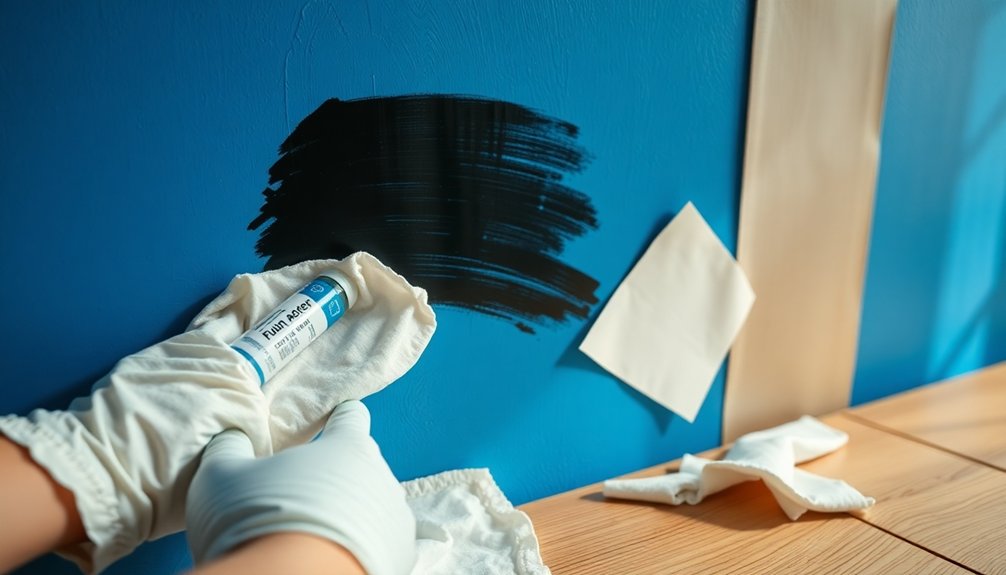
To tackle that stubborn mark, grab a sport strength or maximum sunscreen. Spray it directly onto the stain, while holding a clean cloth below to catch any drips. Gently rub the area with the cloth until the marker completely disappears.
This method outperforms others like rubbing alcohol and hand sanitizer, which just don’t cut it. Remember, always test the sunscreen on a small, inconspicuous area first to verify it won’t damage your wall’s finish. Regular use of non-toxic cleaners can help maintain your walls and prevent future stains.
With this simple technique, you’ll restore your wall to its original glory in no time!
Techniques for Cleaning Permanent Marker From Wood Surfaces
Removing permanent marker from wood surfaces can be a challenge, but several effective techniques can help you tackle the problem.
Start by applying rubbing alcohol on a soft cloth and gently dab it on the stain, testing a small area first to avoid damaging the finish. If that doesn’t work, try using a magic eraser; just be careful not to rub too hard, as it can scratch the surface.
Apply rubbing alcohol on a soft cloth to gently dab the stain, testing a small area first to protect the finish.
Another method involves tracing the marker with a dry-erase marker, then wiping it away to lift some of the permanent ink.
For stubborn stains, mix baking soda and water into a paste, rub it gently into the stain, and wipe off the residue with a damp cloth. Additionally, consider using eco-friendly options like baking soda, which is gentle and non-toxic, to effectively clean various surfaces, including wood.
Best Practices for Removing Permanent Marker From Fabric
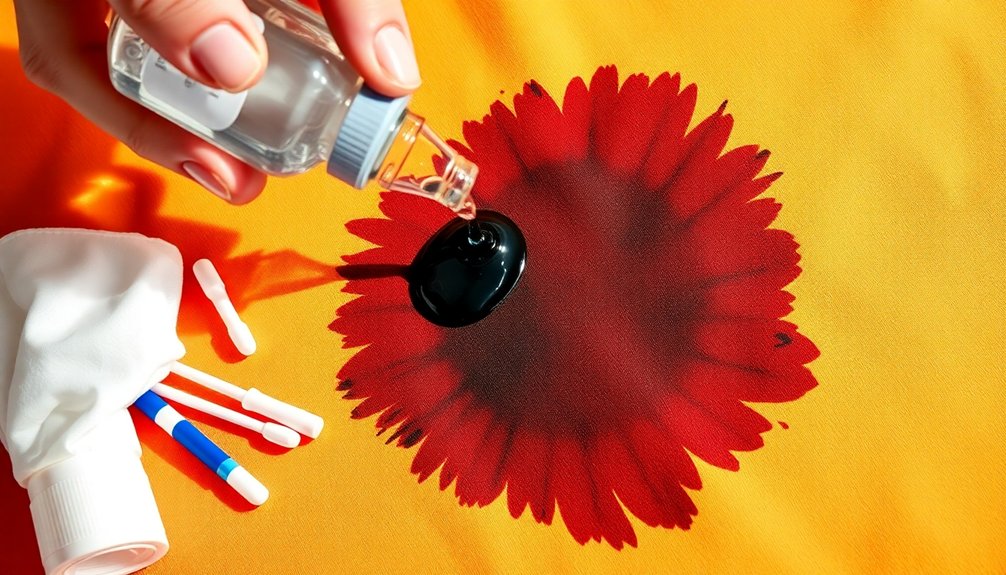
When you notice a permanent marker stain on fabric, act quickly by blotting it with a paper towel to stop it from spreading.
You’ll find that options like denatured alcohol or even hand sanitizer can effectively lift the ink when applied carefully. Additionally, using gentle blotting methods can help prevent further damage to the fabric.
Always remember to test any solution on a hidden area first to avoid damaging your fabric.
Quick Stain Blotting Techniques
Permanent marker stains can be a real hassle, but quick action can make all the difference. Start by blotting the stain gently with a paper towel to absorb excess ink and prevent it from spreading.
Next, grab some denatured alcohol or rubbing alcohol, applying it to a clean cloth. Dab the stain carefully—don’t rub, as that can damage the fabric.
If you have hand sanitizer handy, apply a small amount on the stain and let it sit for a minute before dabbing with a cloth.
For delicate fabrics, mix baking soda and non-gel toothpaste into a paste, apply lightly, and wipe away with a damp cloth.
Always test any method on a hidden area first to check for colorfastness.
Effective Cleaning Solutions Options
After you’ve blotted the stain, it’s time to explore effective cleaning solutions that can help you tackle permanent marker marks on fabric.
Here are three great options:
- Rubbing Alcohol: Apply it on a cotton ball and gently dab the stain. Let it sit for a minute before blotting it away.
- Hand Sanitizer: This can also work wonders. Let it sit on the stain for a minute, then dab with a cloth for better results.
- Baking Soda and Non-Gel Toothpaste: For delicate fabrics, mix these two, apply gently, and wipe away with a damp cloth to lift the stain.
Always remember to test any solution on an inconspicuous area first to avoid discoloration.
Happy cleaning!
Alternative Solutions for Stubborn Ink Stains
When stubborn ink stains refuse to budge, you can turn to common household items for help. Solutions like dry-erase markers and baking soda can make a surprising difference, while specialized cleaning products offer targeted relief. Additionally, using eco-friendly ingredients such as vinegar or lemon juice can enhance your stain removal efforts while being gentle on the environment. Let’s explore these effective alternatives to tackle those tough stains.
Household Items for Removal
If you’re dealing with stubborn permanent marker stains, several household items can help you tackle the problem effectively.
Here are three options you can try:
- Sunscreen: This fast-acting solution works wonders on most surfaces without causing damage. Just apply it and wipe away the stain.
- Nail Polish Remover: While effective, it’s essential to test it on a hidden area first, as it mightn’t be suitable for all surfaces.
- Toothpaste and Baking Soda: Mix these to create a gentle abrasive paste. It’s particularly useful for wood and fabric surfaces.
These household items can make your cleaning process easier and help you reclaim those stained areas!
Specialized Cleaning Products
While household items can be effective for removing permanent marker stains, specialized cleaning products often offer a more reliable solution.
These commercial stain removers are specifically formulated to break down and dissolve ink pigments without damaging your surfaces. Their unique ingredients target stubborn stains more efficiently than traditional cleaners.
Always remember to follow the manufacturer’s instructions, as application methods and dwell times can vary. Before applying any specialized cleaning product, test it on a small, inconspicuous area to ascertain compatibility and avoid potential damage.
Some of these products may contain solvents or surfactants that improve effectiveness, but use them cautiously around sensitive materials like painted surfaces or fabrics.
Precautions to Take When Cleaning Different Surfaces
Cleaning permanent marker from various surfaces requires careful consideration to avoid damage. Here are some important precautions to take:
- Test First: Always test your cleaning method on an inconspicuous area to verify it won’t damage the surface.
- Gentle Touch: Avoid using excessive pressure or scrubbing motions. This can scratch or remove finishes from wood and painted surfaces.
- Blot, Don’t Rub: For fabric, use a soft cloth to blot the stain instead of rubbing it. This prevents spreading and minimizes damage to the fibers.
Also, confirm your workspace is well-ventilated when using solvents to avoid inhaling fumes. Additionally, using gentle cleaners is essential to protect the integrity of the surfaces while effectively removing stains.
Taking these precautions will help keep your surfaces intact while effectively removing that pesky marker.
When to Seek Professional Help for Stain Removal
When dealing with stubborn stains, knowing when to call in a professional can save you time and prevent damage to your surfaces.
Knowing when to seek professional help for stubborn stains can save you time and protect your surfaces from damage.
If you’re facing a large stain that’s deeply embedded or tough to reach, specialized equipment and techniques are often necessary. After several unsuccessful attempts with household methods, seeking professional help can prevent further harm.
This is especially true for antique or valuable wooden furniture, where experts can assess the wood type and finish to avoid devaluation.
If your stain involves delicate fabrics or upholstery, it’s best to consult a professional to avoid discoloration or damage.
Finally, if there’s a strong odor or potential chemical risk, don’t hesitate to call in the pros for safe and effective remediation. Maintaining a clean environment boosts family immunity and well-being, which can be hindered by persistent stains and odors.
Tips for Preventing Future Permanent Marker Stains
To keep permanent marker stains at bay, it’s essential to take proactive steps in your home. Here are three effective tips:
- Use Washable Markers: Opt for washable or dry-erase markers for writing and drawing, as they can be easily wiped away with a damp cloth without leaving residue.
- Designated Art Areas: Create specific areas for children to craft with non-permanent markers, minimizing accidental marks on your walls and furniture.
- Protective Sealants: Regularly apply a protective sealant on wood surfaces. This creates a barrier against stains, allowing for easy cleanup of any stray marks. Additionally, maintaining an organized space with drawer divider trays can help prevent accidental spills and keep art supplies contained.
Keeping your space organized helps keep it clean!
Conclusion
In the battle against permanent marker stains, you hold the brush to your canvas. With the right techniques, you can wipe away those stubborn marks and restore your surfaces to their original glory. Just remember to tread carefully, like a painter on a tightrope, and protect your materials from damage. By taking these steps, you can not only reclaim your walls, wood, and fabric but also keep your artistic endeavors free from future ink mishaps.