If you’re looking for Clean Mama laundry detergent alternatives, DIY options are a fantastic choice! You can create your own using natural ingredients like washing soda, natural soap, and essential oils for a customizable scent. These eco-friendly solutions not only save money but also reduce irritants for sensitive skin. Simply measure the right amount for each load and enjoy fresh laundry without harsh chemicals. Stick around to discover easy recipes and tips for enhancing your laundry routine.
Why Choose DIY Laundry Detergent Alternatives?
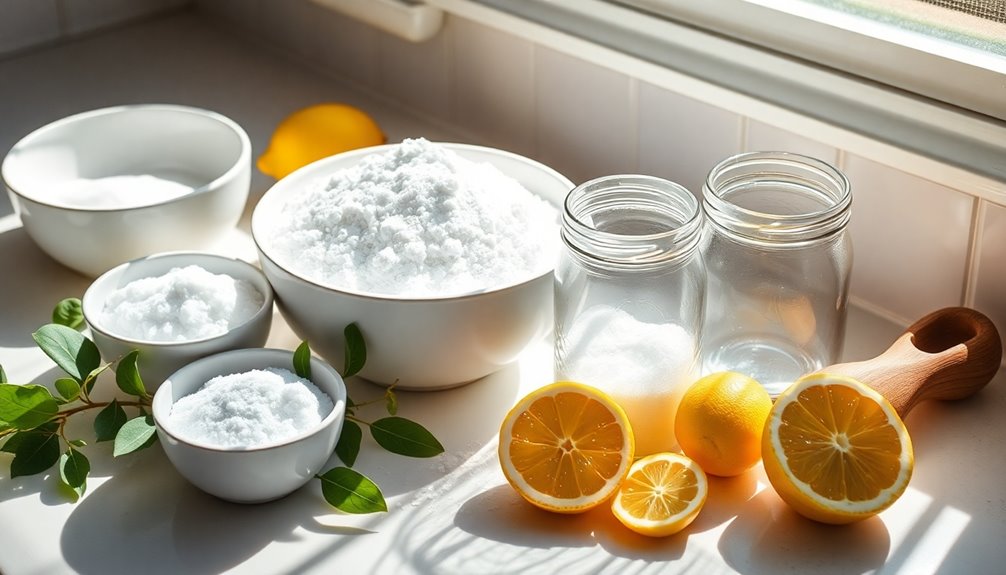
When you consider the ingredients in commercial laundry detergents, it’s easy to see why many people opt for DIY alternatives. The detergent history reveals a shift from natural to synthetic chemicals, leading to concerns about harsh additives.
You might’ve heard laundry myths claiming that only store-bought products can effectively clean your clothes, but that’s simply not true. DIY options can be just as effective, often using simple, natural ingredients that are safer for your family and the environment.
Plus, creating your own detergent allows you to customize it to suit your needs, avoiding allergens and irritants. With a little effort, you can ditch the chemicals and embrace a cleaner, greener laundry routine that aligns with your values. Additionally, DIY laundry scent boosters can enhance freshness while supporting a sustainable lifestyle.
The Benefits of Natural Ingredients for Your Laundry
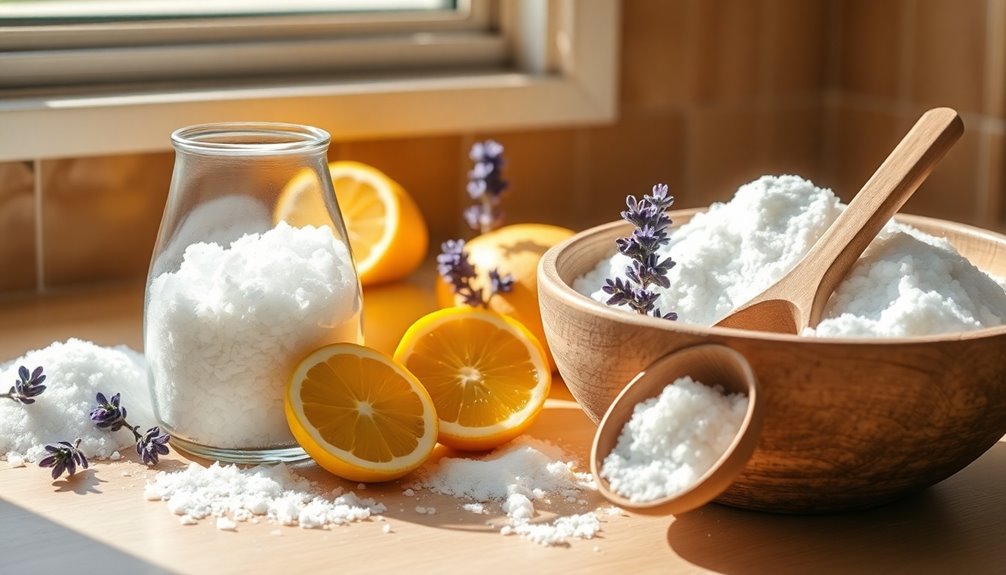
Using natural ingredients for your laundry gives you eco-friendly cleaning power that’s tough on dirt but gentle on the planet. You’ll also find that these options can reduce skin sensitivity, making them safer for your family. Plus, they often come with cost-effective solutions that save you money in the long run. Additionally, opting for sustainable alternatives can further minimize your environmental impact and promote a greener home.
Eco-Friendly Cleaning Power
As you consider alternatives for your laundry routine, embracing eco-friendly natural ingredients can greatly enhance your cleaning power.
By opting for sustainable ingredients, you’re making eco-conscious choices that benefit both your clothes and the planet. Plant-based alternatives, like vinegar or baking soda, offer biodegradable options that break down easily without harming the environment.
Plus, these organic materials often come with delightful natural fragrances, giving your laundry a fresh scent without harsh chemicals. Engaging in green cleaning not only reduces your environmental impact but also helps create a healthier home.
With these simple swaps, you’ll enjoy effective cleaning while supporting a more sustainable lifestyle. Your laundry routine can be both powerful and planet-friendly!
Skin Sensitivity Reduction
Natural ingredients not only boost your laundry’s cleaning power but also greatly reduce skin sensitivity.
By choosing skin friendly ingredients like baking soda, vinegar, and essential oils, you can minimize irritants that often trigger reactions.
Conventional detergents often contain harsh chemicals that can lead to rashes or allergies, making it essential to find safer alternatives.
With natural options, you’re not just cleaning your clothes; you’re also promoting allergy relief for you and your family.
These gentle formulas care for your skin while still delivering effective results.
You’ll appreciate the softness and freshness of your laundry without the worry of irritants.
Making this switch means healthier fabrics, a happier home, and peace of mind for everyone who wears them.
Cost-Effective Solutions
When you switch to natural ingredients for your laundry, you’ll quickly discover how cost-effective these solutions can be.
Homemade ingredients like baking soda, vinegar, and washing soda not only clean effectively but also come at a fraction of the cost of commercial detergents.
By choosing these budget-friendly options, you can save money while reducing your environmental impact.
Plus, making your own laundry detergent allows you to tailor the recipe to your needs, ensuring it’s free from harmful chemicals.
You’ll find that a little goes a long way; just a few ingredients can stretch for multiple loads.
Embracing natural alternatives means you can enjoy cleaner clothes and a healthier home without breaking the bank.
Essential Ingredients for Your Clean Mama Detergent
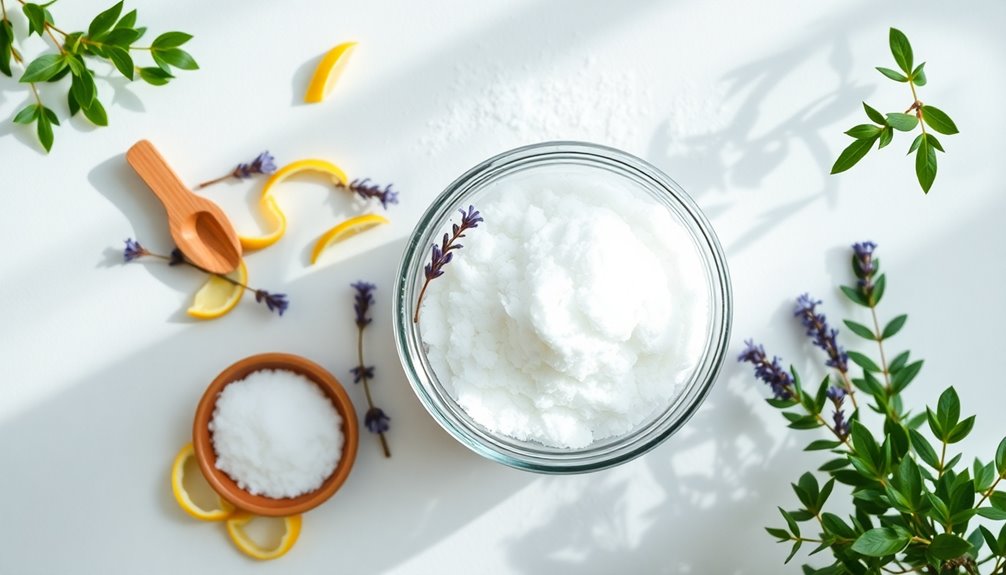
Creating your own Clean Mama detergent requires just a handful of essential ingredients that are both effective and safe for your family.
Start with a base like washing soda or borax, which helps lift dirt and stains. You’ll also need a soap, such as castile or a bar soap, for cleaning power.
For added freshness, consider incorporating essential oils for scent customization—this way, you can tailor the fragrance to your preference.
Additionally, make sure you have a suitable container for detergent storage; a glass jar or a resealable bag works great.
With these ingredients, you’ll have a safe, effective detergent that meets your family’s needs while being gentle on the environment. You can also explore biodegradable ingredients that contribute to reducing synthetic chemicals entering waterways.
How to Make a Simple Powder Laundry Detergent
Making your own powder laundry detergent is easier than you might think. You’ll need a few essential ingredients and simple step-by-step instructions to get started. Plus, creating your own detergent aligns with the principles of eco-friendly laundry philosophy and reduces reliance on commercial products that may contain harsh chemicals. Let’s gather what you need and jump right into the process!
Essential Ingredients Required
To craft a simple powder laundry detergent, you’ll need just a few essential ingredients that pack a powerful cleaning punch. Start with washing soda, which boosts cleaning power and removes odors.
Next, grab a bar of soap—preferably a natural one—like Castile or Fels-Naptha, as these are great for natural cleaning. You’ll also want borax, which helps eliminate stains and softens water for better results.
For a fresh scent, consider adding essential oils like lavender or lemon. These ingredients not only work effectively together but also align with eco-friendly laundry hacks.
With these basics on hand, you’re ready to create your own detergent that’s tough on dirt but gentle on the environment.
Step-by-Step Instructions
You’ll find that making your own powder laundry detergent is a straightforward process that anyone can tackle.
Start by gathering your essential ingredients: washing soda, borax, and a bar of soap. Grate the soap into fine pieces for easier mixing.
In a large bowl, combine one cup of washing soda, one cup of borax, and the grated soap. Mix well until it’s evenly blended.
If you want to personalize your detergent, consider adding scent alternatives like essential oils. Just a few drops can customize your laundry experience.
For ingredient substitutions, you can replace washing soda with baking soda if needed.
Store your detergent in an airtight container, and you’re ready to enjoy fresh, clean laundry!
Step-by-Step Guide to Creating Liquid Laundry Detergent
Creating your own liquid laundry detergent is simpler than you might think. First, gather your ingredients: washing soda, borax, and a bar of soap. You can find these at most grocery stores or online, making ingredient sourcing easy.
Next, grate the soap and combine it with two cups of water in a saucepan. Heat until melted, then add one cup of washing soda and one cup of borax, stirring until dissolved.
In a large container, mix this solution with six cups of hot water, ensuring you pay attention to liquid measurements. Allow the mixture to cool, then transfer it to a sealed container.
You now have a cost-effective, eco-friendly liquid laundry detergent ready for use! Additionally, making your own detergent helps reduce waste and supports sustainable cleaning practices.
Adding Essential Oils for a Fresh Scent
Once your homemade liquid laundry detergent is ready, enhancing its scent can elevate your laundry experience. Adding essential oils not only freshens your clothes but also provides a delightful aroma.
Choose essential oil blends that suit your preferences, like lavender for relaxation or citrus for a revitalizing burst. A few drops in your detergent can work wonders, but be mindful of the quantity; too much can lead to overpowering scents.
For ideal scent longevity, consider adding essential oils during the cooling process of your detergent. This way, the oils integrate better and last longer on your fabrics. Additionally, using natural products can further enhance the freshness of your laundry.
Experiment with different blends until you find the perfect combination that makes your laundry day a pleasure!
Tips for Storing Your Homemade Laundry Detergent
When storing your homemade laundry detergent, it’s important to choose the right container to maintain its effectiveness.
Opt for airtight storage containers to keep moisture and air out, which can degrade your detergent. Glass or high-quality plastic containers are great options.
Choose airtight containers to protect your homemade laundry detergent from moisture and air, ensuring its effectiveness for longer.
Make sure to label your containers clearly using labeling methods that include the contents and the date you made it. This helps you keep track of freshness and guarantees you use it within its ideal timeframe.
If you’ve added essential oils for scent, note that too; it’ll remind you of that lovely fragrance when you reach for it.
Proper storage not only preserves your detergent’s potency but also makes laundry day a breeze! Additionally, using non-toxic detergents can further enhance your laundry experience by promoting a healthier home environment.
How to Use Homemade Laundry Detergent Effectively
To get the most out of your homemade laundry detergent, it’s essential to measure it correctly and choose the right washing settings.
Using too much detergent can leave residue on your clothes, while the wrong settings mightn’t clean effectively. Regular cleaning cycles with vinegar are essential for machine maintenance to ensure your washing machine operates efficiently.
Let’s explore how to optimize your laundry routine for the best results.
Measuring Your Detergent Correctly
Getting the measurement right is essential for making your homemade laundry detergent effective. Start by using a reliable measuring scoop or cup to guarantee dosage accuracy.
Depending on your recipe, the typical amount ranges from 1/4 to 1/2 cup per load. Always check your washing machine’s instructions for specific detergent measurement recommendations.
Too little detergent might leave clothes dirty, while too much can lead to residue buildup. If you’re washing larger or heavily soiled loads, adjust your measurements accordingly.
Keep a chart or note handy to track your measurements, and remember, consistency is key. By paying attention to your detergent measurement, you’ll achieve cleaner laundry and extend the life of your washing machine.
Choosing Optimal Washing Settings
Proper detergent measurement sets the stage for perfect washing outcomes, but the effectiveness of your homemade laundry detergent also hinges on the washing settings you choose.
To achieve optimal washing results, consider these factors:
- Fabric Types: Different fabrics require different care. Use gentle cycles for delicate items and heavier cycles for robust fabrics.
- Water Temperature: Hot water works well for whites and heavily soiled items, while cold water is ideal for colors and delicate fabrics to prevent fading.
- Load Size: Make sure you adjust settings based on load size. Overloading can lead to inadequate cleaning.
Troubleshooting Common Issues With DIY Detergents
While many people enjoy the benefits of DIY laundry detergents, issues can sometimes arise during use. You may encounter DIY detergent challenges like performance variations or common ingredient issues.
If your detergent isn’t cleaning effectively, consider ingredient substitutions, as some components mightn’t work well together. Storage problems can also affect effectiveness; keep your detergent in a cool, dry place to maintain its potency.
If you notice a scent you dislike, experiment with essential oils to match your preferences. Additionally, verify your DIY detergent is compatible with your washing machine, as some formulas can cause buildup in certain models. Incorporating non-toxic cleaning solutions can further enhance the safety and efficacy of your laundry routine.
Comparing DIY Detergents to Store-Bought Options
When you weigh the pros and cons of DIY detergents against store-bought options, you’ll find distinct differences that can impact your laundry routine.
DIY detergents often use simple, natural ingredients, but their detergent performance can vary. On the other hand, store-bought options typically offer consistency thanks to specialized store-bought ingredients.
Here’s a quick comparison:
- Cost: DIY can be cheaper, but initial ingredients may add up.
- Effectiveness: Store-bought detergents often outperform DIY in tough stain removal.
- Customization: DIY lets you tailor scents and ingredients to your preference.
Ultimately, your choice depends on what you value more: cost-effectiveness and control or proven performance and convenience. Many store-bought options, like ecologically safe products, focus on sustainable practices and offer peace of mind regarding their environmental impact.
Your decision hinges on whether you prioritize cost and customization or reliability and ease.
Consider what fits your needs best!
Eco-Friendly Practices Beyond Homemade Detergents
Once you’ve mastered homemade detergents, it’s time to explore other eco-friendly practices for your laundry routine.
You can adopt sustainable fabric care tips, implement zero-waste laundry practices, and embrace eco-friendly washing techniques to further reduce your environmental footprint.
Every small change you make contributes to a healthier planet.
Sustainable Fabric Care Tips
As you explore sustainable fabric care, consider that eco-friendly practices extend well beyond homemade detergents.
To enhance your fabric care routine, focus on integrating sustainable textiles and choosing eco-friendly options. Here are some tips:
- Opt for sustainable fabrics like organic cotton and bamboo textiles to reduce environmental impact.
- Use natural dyes for coloring, ensuring your fabrics remain chemical-free and safe for the planet.
- Look for green certifications when shopping to guarantee you’re supporting brands committed to eco laundering practices.
Zero-Waste Laundry Practices
While embracing eco-friendly laundry practices, zero-waste methods can greatly reduce your environmental footprint. Start by adjusting your laundry habits to minimize waste.
Opt for products with eco-friendly packaging, like refillable containers or biodegradable options. When it comes to detergent storage, consider using glass or stainless steel containers that you can refill, rather than single-use plastic.
Sustainable sourcing of your laundry supplies is key; look for brands committed to ethical practices. Additionally, you can make your own detergent using simple, natural ingredients, further cutting down on waste.
Furthermore, consider air-drying your clothes instead of using a dryer, saving energy and reducing wear and tear on your garments.
Every small change contributes to a more sustainable laundry routine.
Eco-Friendly Washing Techniques
To make your laundry routine even more eco-friendly, consider adopting washing techniques that minimize water and energy consumption.
By focusing on sustainable fabrics and implementing smart practices, you can considerably reduce your environmental impact.
- Wash full loads: This maximizes water conservation and energy efficiency.
- Select cold water cycles: Washing in cold water saves energy and protects your clothes.
- Air dry whenever possible: Sunlight not only dries clothes but also acts as a natural disinfectant.
These techniques help extend the life of your sustainable fabrics while being kind to the planet.
How to Customize Your Detergent for Sensitive Skin
If you have sensitive skin, customizing your laundry detergent can make a significant difference in your comfort.
Start by choosing natural alternatives, like washing soda or borax, which are gentler on the skin. Avoid harsh chemicals, fragrances, and dyes that can irritate your skin.
You can enhance your detergent with soothing ingredients like baking soda or essential oils, such as lavender or chamomile, known for their calming properties.
Always test a small batch first to verify it works well with your fabrics and doesn’t trigger any reactions.
By tailoring your detergent to your needs, you’ll enjoy fresh, clean clothes without compromising your skin’s health.
Your laundry routine can be both effective and gentle!
A Guide to Natural Stain Removers You Can Make
When stubborn stains threaten your favorite clothes, natural stain removers can save the day without the harsh chemicals. You can easily whip up effective homemade recipes using natural ingredients that are safe for various fabric types.
Here are three eco-friendly alternatives to evaluate:
- Baking Soda Paste: Mix baking soda with water for a powerful stain treatment.
- White Vinegar Solution: Combine equal parts white vinegar and water for a versatile cleaner with a fresh scent choice.
- Lemon Juice: Use lemon juice for its natural bleaching properties, ensuring color safety on whites.
These laundry hacks not only enhance cleaning effectiveness but also make application methods straightforward.
Embrace these natural solutions for a cleaner, greener laundry day!
What You Need to Know About Washing Machine Compatibility?
Understanding your washing machine’s compatibility with different laundry detergent alternatives is essential for achieving ideal cleaning results. Not all machine types are created equal, and some may have specific requirements for detergent compatibility.
If you own a high-efficiency (HE) washer, it’s vital to use low-sudsing detergents specifically formulated for these machines. Traditional top-loaders can often handle a wider variety of detergents, but it’s still wise to check your manufacturer’s recommendations.
Always avoid using too much detergent, as this can lead to buildup and affect performance. By knowing your machine’s capabilities, you can confidently choose the right alternative that cleans effectively without damaging your washer or your clothes.
Frequently Asked Questions About DIY Laundry Care?
Got questions about DIY laundry care? You’re not alone! Many people have misconceptions about homemade solutions, and it’s crucial to clear up those laundry myths.
Here are some common queries you might have:
- What’s the shelf life of DIY detergent? Homemade laundry detergents can last several months if stored properly in a cool, dry place.
- Are DIY detergents effective? Yes, many natural ingredients like washing soda and vinegar work wonders without harsh chemicals.
- Can I mix homemade and commercial detergents? It’s best to avoid mixing them, as this can affect cleaning efficiency and may lead to unwanted reactions.
Now that you’ve got the answers, you’re ready to tackle your laundry with confidence!
Conclusion
So, you thought laundry day had to be a chore full of harsh chemicals? Surprise! By whipping up your own detergent, you’re not just going green—you’re becoming a laundry magician. Who knew saving money and being eco-friendly could feel so satisfying? Embrace the power of natural ingredients, and watch your clothes transform without the need for a science degree. You might even start looking forward to laundry day. Just don’t forget to wear that magician’s hat!