Last updated: · By Megan Hart
Natural cleaning products are cleaners made from plant-derived, mineral, or simple kitchen ingredients, and they can lower your exposure to some harsh chemicals when used carefully. However, “natural” is not a guarantee of safety. Some plant oils react with indoor air to form pollutants, and any cleaner can irritate skin, eyes, or airways. This guide explains what the evidence shows, how to read labels, which natural options suit common tasks, and when to talk with a doctor.
Key Takeaways
- The U.S. Environmental Protection Agency (EPA) lists household cleaning products among common indoor pollution sources and says removing the individual source is usually the most effective fix.
- EPA scientists review every ingredient in Safer Choice-certified cleaning products, regardless of its concentration, before the label is granted.
- A 2008 study by UC Berkeley and Lawrence Berkeley National Laboratory found that cleaners containing pine or citrus oils formed formaldehyde and ultrafine particles when ozone was present.
- Shoppers can look for UL ECOLOGO, Green Seal, or Safer Choice logos, and if none appear, choose a product without added perfumes or dyes.
What Does “Natural” Mean on a Cleaning Label?
On most cleaning products, “natural” is a marketing term rather than a strict standard that guarantees low toxicity. A product can be labeled natural and still contain fragrances, surfactants, or preservatives that irritate some people. For that reason, the label wording matters less than the ingredient list and third-party certifications.
Why natural is not always safer
Essential oils and other plant extracts are chemicals too, and some are sensitizers that can trigger skin reactions in certain people. Scent-free or lightly scented products are often a better choice for households with asthma, allergies, or sensitive skin.
How plant oils affect indoor air
The California Air Resources Board summarizes the 2008 UC Berkeley and Lawrence Berkeley National Laboratory work, which found that pine and citrus oils, known as terpenes, can react with ozone indoors to form formaldehyde and ultrafine particles. Ozone from outdoor air enters homes through open windows and ventilation, so the effect is not limited to a sealed room. The practical takeaway is to use scented cleaners sparingly, ventilate while cleaning, and avoid stacking several strongly scented products in one space.
Read the full summary in the California Air Resources Board fact sheet on cleaning products and indoor air quality.
How Do You Choose Natural Cleaning Products?
To choose a natural cleaner, check for a recognized third-party certification first, then read the ingredient list and packaging. Certifications are not perfect, but they show that an independent body reviewed the product against published criteria. Use the checklist below when you shop.
- Look for the EPA Safer Choice label, UL ECOLOGO, or Green Seal certification.
- Choose products without added perfumes or dyes if you have children, pets, asthma, or sensitive skin.
- Prefer short ingredient lists you can understand, and avoid products that list “fragrance” without disclosure.
- Check whether the concentrate can be diluted or refilled to reduce packaging waste.
- Confirm the product’s intended use: cleaning and disinfecting are different claims with different rules.
EPA’s Safer Choice program reviews each ingredient, which is a stronger screen than a general natural claim. The agency explains its updated standard in the EPA announcement on strengthening the Safer Choice standard.
What Are the Best Natural Cleaning Products for Each Task?
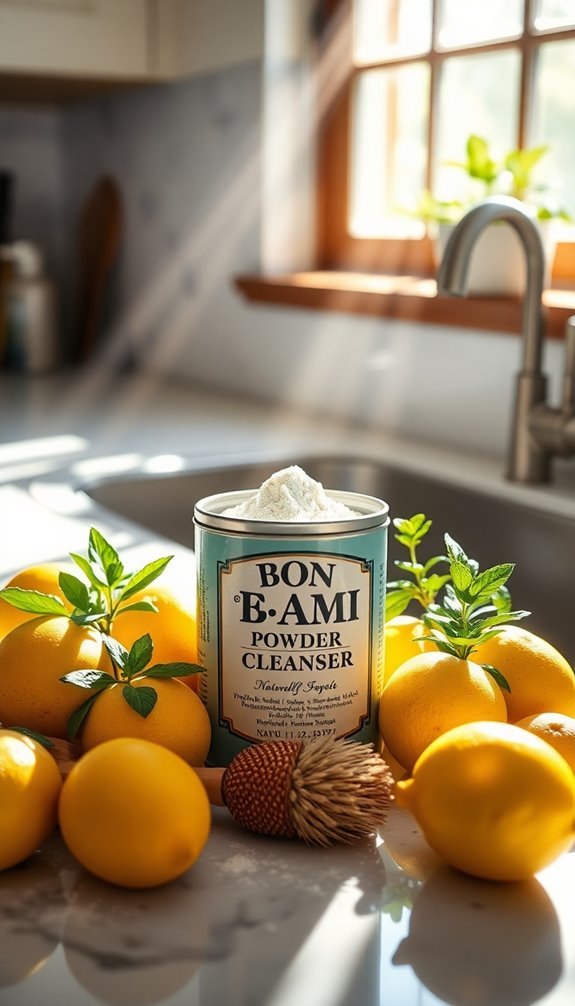
Most household cleaning tasks can be handled with a small set of simple, natural ingredients plus one certified all-purpose cleaner. The table below lists common options, what they do well, and their limits. Test any new product on a small, hidden area first.
| Natural option | Best used for | Limits and cautions |
|---|---|---|
| Baking soda | Mild scrubbing in sinks, tubs, and on stovetops; deodorizing drains | Can scratch soft finishes if scrubbed hard; not a disinfectant |
| White vinegar | Mineral deposits, hard-water spots, and glass | Can dull or etch natural stone such as marble or granite; do not mix with bleach |
| Plant-based liquid soap (castile-type or certified concentrate) | General cleaning, dishes, floors, and laundry pre-treatment | Dilute as directed; rinse surfaces that people touch; can leave residue in hard water |
| Hydrogen peroxide (3%) | Light stain removal on some surfaces and fabrics | Can bleach colored fabrics; keep in its original dark bottle and store away from vinegar |
| Washing soda | Heavy grease on stovetops and grilles | Strongly alkaline; wear gloves and keep away from eyes and skin |
Can you make your own natural cleaner?
You can make simple cleaners at home, such as diluted vinegar for glass or a soap-and-water mix for surfaces, and these are often adequate for routine cleaning. Homemade mixtures are less predictable than certified products, though, because the strength and purity of ingredients vary. Label each container clearly and never combine ingredients in one bottle unless a trusted source specifies that combination.
Do Natural Cleaners Disinfect?
Most natural cleaners do not disinfect, meaning they do not reliably kill germs such as those that cause colds, flu, or foodborne illness. Disinfecting claims require a product registered with the EPA, and the label lists which germs it kills and the contact time needed. If someone in your home is sick or has a weakened immune system, use an EPA-registered disinfectant according to its label and ask a health professional for guidance.
Cleaning versus disinfecting versus sanitizing
Cleaning removes dirt and grime, sanitizing lowers germ levels to a set standard, and disinfecting kills specific germs on a surface. Natural products are often effective at cleaning, but many lack the registration needed to claim disinfection. Matching the product to the task gives you the most accurate protection.
How Can You Use Natural Cleaners Safely?
Natural cleaners are safest when you use them as directed, ventilate the room, and store them out of reach. Follow these steps each time you clean.
- Read the label and follow the dilution and contact-time instructions.
- Open a window or turn on exhaust fans while cleaning, especially with scented products.
- Never mix cleaners, including vinegar with bleach or vinegar with hydrogen peroxide, because the mixtures can release irritating gases or form harsher compounds.
- Wear gloves for alkaline products such as washing soda, and rinse surfaces that food or children touch.
- Store all cleaners in original or clearly labeled containers, out of reach of children and pets.
- Patch test any new product on a hidden area before cleaning a large surface.
If someone swallows a cleaner or has trouble breathing, eye irritation, or a severe skin reaction after exposure, call emergency services or your local poison center. In the United States, you can reach Poison Help at 1-800-222-1222 at any time.
Kids and pets
Children and pets are more likely to put cleaners in their mouths or lie on freshly cleaned floors. Choose the simplest product that does the job and keep it stored high and locked where possible. For more guidance, see our guide to kid-friendly cleaning products for a safe home.
Asthma, allergies, and pregnancy
If you have asthma, chemical sensitivities, or are pregnant, talk with your doctor before changing your cleaning routine, especially if you are unsure which products trigger your symptoms. The research on specific cleaning products and health outcomes is still limited, so individual advice matters. Ventilation and fragrance-free products are reasonable starting points while you get guidance.
Are Natural Cleaning Products Better for the Environment?
Natural cleaning products can reduce plastic waste and harsh discharges, but the environmental benefit depends on the packaging and formula rather than the word “natural.” Concentrates, refills, and recyclable containers usually have the clearest benefit. Biodegradability claims vary, so look for specific certifications rather than general statements.
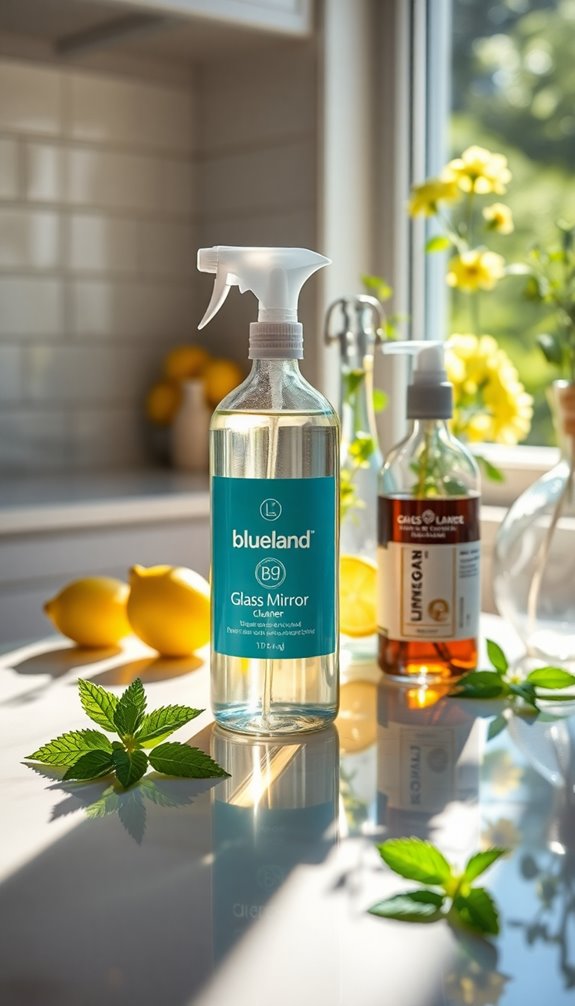
Refill systems can cut packaging significantly because you buy concentrate and reuse a spray bottle. Since packaging varies widely across brands, comparing the amount of plastic per use is more useful than comparing labels. For more options, see our roundup of the green cleaning tools for an environmentally friendly home.
Frequently Asked Questions
Are natural cleaning products always safe?
No. Natural products can still cause skin irritation, allergic reactions, or breathing discomfort, and some plant oils react with ozone indoors. Safety depends on the ingredients, how much you use, and how well you ventilate. Choose certified products and follow the label.
Do natural cleaners kill germs?
Most natural cleaners remove dirt but do not reliably kill germs unless they carry an EPA registration for disinfecting. Check the label for a list of target germs and the required contact time. When illness is a concern, use a registered disinfectant and follow its directions.
Is vinegar a good disinfectant?
Vinegar is effective for mineral deposits and some cleaning tasks, but it is not an EPA-registered disinfectant for most germs. It also can damage natural stone and some finishes. Use it for cleaning and choose a registered product when you need to disinfect.
What should I look for on a natural cleaning label?
Look for the EPA Safer Choice logo, UL ECOLOGO, or Green Seal certification, and check whether fragrances or dyes are added. A short, readable ingredient list and clear dilution directions are also helpful. If no certification appears, a fragrance-free product is often the more cautious choice.
Can natural cleaners cause health problems?
Some people may experience irritation, asthma symptoms, or allergic reactions to natural ingredients, including essential oils. Research on long-term health effects of specific cleaning products is limited. If you notice persistent symptoms, talk with your doctor.
Are homemade cleaners as effective as store-bought ones?
Simple homemade cleaners can handle routine tasks such as cleaning glass, counters, and sinks. Store-bought certified products offer more consistent formulas and clearer safety information. Use whichever approach you can follow safely and consistently.
Conclusion
Natural cleaning products can be a practical part of a healthier home when you choose them carefully. Look for recognized certifications, keep scents to a minimum, ventilate while cleaning, and never mix products. Use a registered disinfectant when germ control matters, and talk with your doctor if you have asthma, allergies, or pregnancy-related concerns. For more ideas, explore our guide to cleaning products for beginners and a basic home cleaning kit.
More on Natural Cleaning Products
- 14 Myths About “Natural” Cleaning You Need to Stop Believing
- 16 Microwave Cleaning Tricks Using Only Natural Ingredients
- 18 Air‑Freshening Ideas Without Using Heavy Fragrances
- 18 Eco‑Friendly Laundry Tips for Cleaner Clothes and a Greener Home
- 3 Best Eco-Friendly Cleaners for Kitchen Countertops
- Descaling a Kettle: Why Citric Acid Works Best
- Eliminating Fish Smells From Your Kitchen Instantly
- Fabric Softener Clean: Better Natural Alternatives
- Green Cleaning: 5 Non-Toxic Products Safe for Pets and Kids
- How to Clean Stainless Appliances Without Harsh Chemicals
- How to Descale Your Keurig: Vinegar vs. Commercial Descaling Solutions
- How to Make Natural Wood Polish for Shiny, Healthy Furniture
- How to Polish Wood Furniture Naturally for a Long-Lasting Shine
- Method vs. Mrs. Meyer’s: Scent and Cleaning Power Compared
- Natural vs. Conventional: The Best Fabric Softeners for Sensitive Skin
- The Best Eco-Friendly Cleaning Products of the Year
- The Best Fruit and Veggie Washes to Remove Pesticides
- The Best Products for Eliminating Refrigerator Odors
- The Ultimate Guide to Plant-Based Kitchen Degreasers
- Top 10 Green Cleaning Tools for an Environmentally Friendly Home
- Top Biodegradable Car Wash Products for Eco-Conscious Drivers
- Top Eco-Friendly Cleaning Supplies for Businesses
- Top Eco-friendly Cleaning Solutions for Professionals
- Top Sustainable Car Cleaning Products and Tips
- Vinegar and Fabric Softener: What You Should Never Mix
- Vinegar as Fabric Softener: Does It Really Work?
- Vinegar vs. Store-Bought Sprays: Which Cleans Grease Better?
- What Is “Microbiome-Friendly” Cleaning?
- White Vinegar Fabric Softener: Safe or Hype?
- Zero-Waste Dish Soap Bars: Are They Worth the Hype?
Related guides: 5 DIY All-Purpose Cleaners You Can Make at Home · Best Non-Toxic Bleach Alternatives for Cleaning · 20 Pet‑Safe Cleaning Products You Can Use With Confidence
Free tools: Cleaning Products You Should Never Mix
Always follow the product label, test on a hidden area first, and never mix cleaning products such as bleach and ammonia. Read our safety disclaimer and editorial policy.
7 Replies to “Top 10 Natural Cleaning Products for a Chemical-Free Home”