When accident days hit, stay calm and act fast. First, grab your cleaning kit with all-purpose cleaner, wipes, and cloths. Quickly assess the mess, absorb spills, and use an appropriate cleaner. Focusing on one area at a time helps keep things manageable. Involve your family to lighten the load and make it a team effort. Finally, establish preventative measures to reduce future accidents, ensuring your home stays safe and tidy. There’s more you can do to streamline the process!
Understanding the Chaos of Accident Days
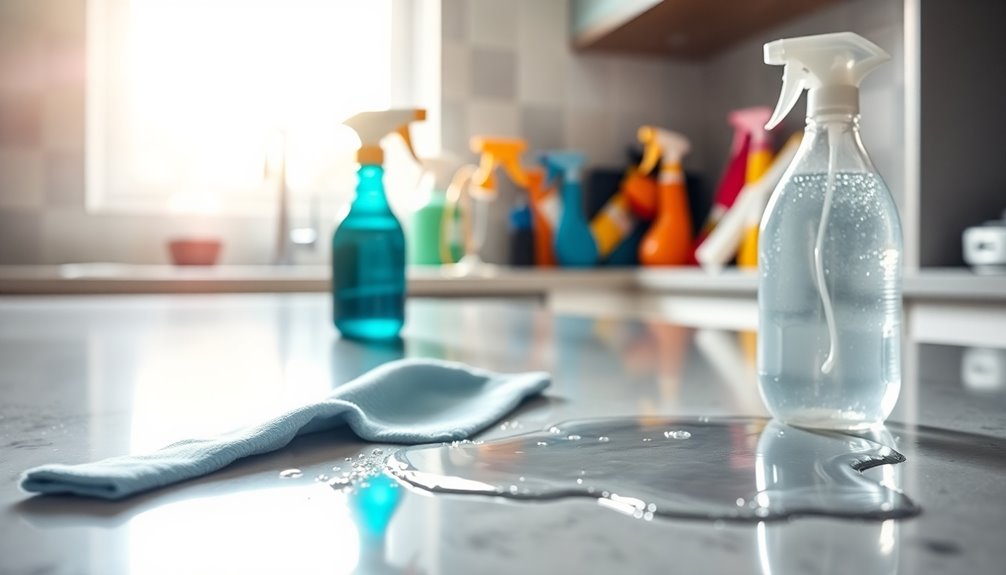
When an accident day strikes, it can feel like everything’s turned upside down. You’re suddenly thrown into a whirlwind of chaos, and managing that chaos becomes essential.
To regain control, focus on accident prevention measures beforehand. Think about potential hazards and address them proactively. This way, you can reduce the chances of accidents occurring in the first place.
When accidents do happen, it’s about how you respond. Stay calm and assess the situation quickly. You’ll need to prioritize tasks—cleaning up messes and ensuring safety are key. Maintaining a clean home is essential as it contributes to reducing stress and anxiety during chaotic times.
Essential Items for Your Cleaning Kit
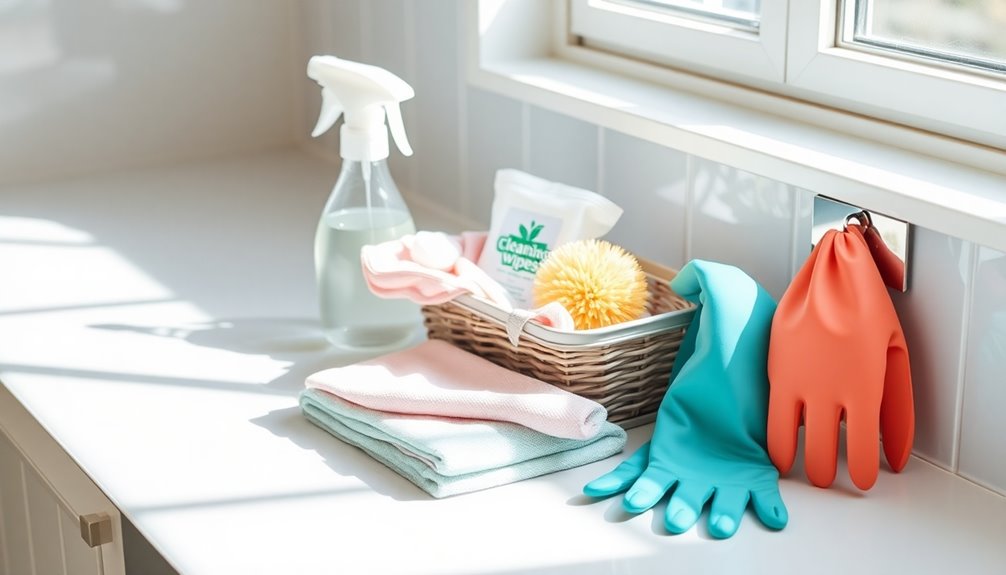
A well-equipped cleaning kit can make a significant difference on accident days, so it’s vital to have the right items at your fingertips.
Start with essential cleaning supplies like all-purpose cleaners and disinfectant wipes, as they tackle various messes quickly. Microfiber cloths and sponges are indispensable for wiping surfaces and absorbing spills.
Essential cleaning supplies like all-purpose cleaners and microfiber cloths are key for quickly managing messes and spills.
Don’t forget a sturdy broom and dustpan for quick debris pick-up, along with a vacuum for larger messes. You’ll also want a trash bag to dispose of waste efficiently.
For tougher stains, include specialized cleaners, like carpet or upholstery solutions. Additionally, consider incorporating natural cleaning agents like baking soda or vinegar for effective and eco-friendly cleaning options. Finally, keep gloves handy to protect your hands.
With these essential tools, you’ll be ready to tackle any accident that comes your way!
Step-By-Step Guide to a Quick Clean-Up
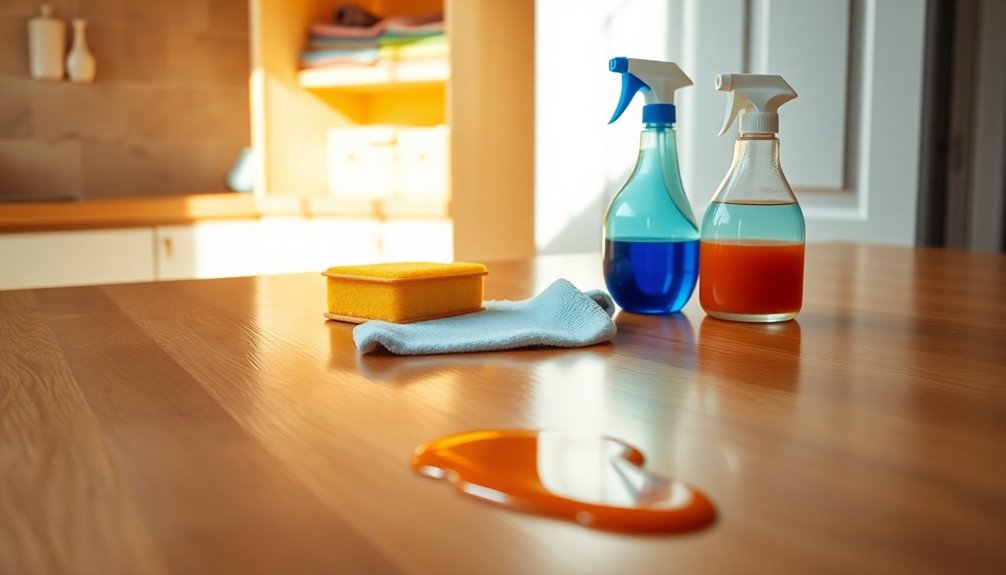
Having the right cleaning supplies on hand sets you up for a quick and effective clean-up after an accident.
Start by evaluating the mess—determine what you’re dealing with. Use your cleaning strategies to tackle it efficiently.
For quick solutions, grab your paper towels or cloths and absorb any spills first. If it’s a solid mess, scoop it up with a dustpan and dispose of it properly.
Next, spray your cleaner on the affected area and let it sit for a minute. Wipe everything down, making sure to remove any residue.
Don’t forget to check for lingering odors—an air freshener can help. Incorporating regular cleaning routines can also prevent future accidents from becoming overwhelming.
Finally, dispose of used supplies and take a deep breath; the mess is gone!
Tackling Specific Messes: Tips for Common Scenarios
Although accidents can happen at any time, knowing how to handle specific messes can make the clean-up process much easier.
Accidents are inevitable, but being prepared to tackle messes can simplify your clean-up efforts significantly.
For pet messes, grab some paper towels or an old cloth, then blot the area to soak up as much liquid as possible. Use a pet-safe cleaner to eliminate odors and stains. Additionally, utilizing effective tools for pet hair removal can make maintaining a clean environment easier after dealing with such incidents.
For kitchen spills, act quickly by wiping up the mess with a damp cloth. If it’s sticky, sprinkle some baking soda to absorb and scrub gently. For greasy spills, a mixture of dish soap and warm water works wonders.
Always keep your cleaning supplies handy so you can tackle these scenarios efficiently and maintain a clean space without stress.
How to Stay Calm and Focused During the Clean-Up?
When accidents happen, it’s easy to feel overwhelmed, but staying calm can make the clean-up process smoother. Start by taking a moment for mindful breathing; inhale deeply through your nose, hold for a few seconds, then exhale slowly. This simple technique helps center your thoughts and reduces anxiety.
Next, remind yourself that accidents are a part of life with positive affirmations like, “I can handle this,” or “I’m capable of turning this around.” Break the clean-up into manageable steps, focusing on one task at a time. This keeps you grounded and prevents chaos from taking over. Remember that clutter elevates cortisol levels, which can increase your stress and anxiety, so maintaining a calm environment is crucial during the clean-up.
Involving the Family: Making Cleaning a Team Effort
Involving your family in the clean-up can transform a challenging task into a cooperative effort that strengthens bonds. Assigning specific family roles helps everyone feel responsible and engaged.
For example, one person can handle gathering supplies, while another tackles the mess itself. By breaking down tasks for team cleaning, you’ll not only speed up the process but also make it more enjoyable.
Play some music to set a fun atmosphere, and encourage teamwork by offering praise and rewards. Celebrate small victories together, reinforcing a sense of accomplishment. This teamwork fosters a supportive environment that benefits everyone, making future clean-ups feel less intimidating. Additionally, teaching children age-appropriate chores instills responsibility and life skills, making them valuable contributors to the family’s cleaning routine. Remember, a little collaboration goes a long way in turning accidents into opportunities for connection.
Preventative Measures: Reducing Future Accidents
To effectively reduce future accidents, it’s essential to create a proactive environment.
Begin by evaluating your home and identifying potential hazards. Keep items that can cause spills or falls out of high-traffic areas, and secure rugs or mats to prevent slipping.
Implementing accident prevention strategies like using non-slip mats in kitchens and bathrooms can make a significant difference. Encourage family members to clean up spills immediately and designate specific areas for toys or belongings to minimize clutter. Additionally, consider adopting eco-friendly methods for cleaning up spills to protect your health and the environment.
Furthermore, establish a routine for checking safety devices, like baby gates or outlet covers.
Creating a Maintenance Routine for a Tidy Home
Creating a Maintenance Routine for a Tidy Home
Establishing a maintenance routine not only keeps your home tidy but also minimizes stress and saves time. By developing consistent maintenance habits, you can maintain a clean environment effortlessly.
Here’s a simple cleaning schedule to help you stay on track:
- Daily Quick Clean: Spend 10-15 minutes each day tidying up common areas.
- Weekly Deep Clean: Dedicate one day a week to vacuum, dust, and sanitize surfaces.
- Monthly Declutter: Set aside time each month to sort through items and donate what you no longer need.
- Seasonal Maintenance: Every few months, tackle larger tasks like washing windows or organizing storage spaces. Regularly scheduled deep cleaning tasks ensure all areas of your home receive attention and maintain a fresh atmosphere.
With this routine, you’ll find that keeping your home in order becomes a breeze!
Conclusion
By staying calm, gathering your supplies, and involving the family, you can turn chaos into control. Embrace the mess, tackle it together, and watch as order replaces disorder. With a quick clean-up routine and preventative measures in place, you’ll transform those accident days from stress-filled moments into manageable challenges. So, breathe deeply, act swiftly, and create a home that feels inviting and organized, even in the midst of life’s little surprises.