To keep a toilet bowl clean between deep cleans, plan on a short brush-and-disinfect routine two or three times a week, plus a quick daily wipe of the seat and flush handle. Most of the work is maintenance: removing the thin film of bacteria and mineral residue before it hardens into stains and odors. A deep clean can reset the bowl, but regular habits do most of the day-to-day work.
This guide explains what builds up in the bowl, how often to clean each part, a simple routine you can repeat, and where the research on toilet hygiene is strong versus limited. Because toilets are a known source of germs, the advice here is about reducing contamination. It is not a guarantee that any bowl is germ-free.
Key Takeaways
- Biofilm, a slimy layer of microorganisms that sticks to wet surfaces, can build up inside the bowl and help hold pathogens and odors in place.
- In a study published through CDC Stacks, contaminants remained in bowl water after seven consecutive flushes, so one flush does not fully clear the bowl.
- An EPA reference record on toilet hygiene reports that Salmonella can survive on the underside of the toilet rim for up to 50 days under test conditions.
- In a study of U.S. restrooms, brushing with a disinfectant significantly reduced the virus found in the toilet compared with brushing the bowl alone.
- Cleaning the bowl two to three times a week, with a daily wipe of the seat and handle, is a practical baseline for most households between deep cleans.
What Builds Up in a Toilet Bowl?
Biofilm and mineral deposits are the two main things that build up between cleanings. Biofilm is a layer of microorganisms that clings to wet surfaces and becomes harder to remove the longer it sits. Mineral deposits from hard water form the crusty rings many people notice near the waterline.
A review of toilet hygiene research on PubMed reports that biofilm inside the bowl can keep pathogens and odors in place. The same review notes that automatic toilet bowl cleaners can reduce how many microorganisms are ejected during a flush. The review also points to research gaps, so it should be read as evidence of mechanism and contamination rather than proof of how many home infections are prevented.
Why does this matter between deep cleans? Biofilm can re-form after it is removed, so frequent light cleaning keeps the surface easier to maintain than waiting for visible stains. A heavy scrub every few months removes what has accumulated, but it does not stop the next layer from forming.
How Often Should You Clean Between Deep Cleans?
Clean the bowl with a brush and disinfectant two to three times a week, and wipe the seat, lid, and flush handle daily in a busy household. Tasks like descaling and cleaning behind the base fit a monthly rhythm. These intervals are practical guidelines based on how quickly buildup returns, not standards set by a regulator.
Use the table below as a starting schedule, then adjust it for hard water, pets, children, and how many people share the bathroom. Households with more users or hard water may need to brush more often.
| Task | Suggested frequency | Why it helps |
|---|---|---|
| Brush bowl with a disinfectant | 2 to 3 times per week | Limits biofilm and odor buildup in the water line |
| Wipe seat, lid, and flush handle | Daily | Hands touch these surfaces most often |
| Clean under the rim | Weekly | The underside of the rim can hold bacteria for a long time |
| Check for and remove early ring stains | Weekly | Early removal is easier than scrubbing hardened stains |
| Clean behind the base and hinges | Monthly | Splashes and dust collect in hard-to-reach areas |
| Rinse or sanitize the brush holder | Every 1 to 2 weeks | A wet, dirty holder can re-contaminate the brush |
For ideas on fitting these tasks into your day, read about daily cleaning habits that keep a home looking clean. Pairing the toilet wipe with another daily task, such as the morning sink wipe, makes it easier to remember.
A Simple Routine Between Deep Cleans
A short routine that takes about five minutes can keep the bowl in good shape. Use the same steps each time so it becomes a habit rather than a project. Keep your supplies in one place so there is no excuse to skip a session.
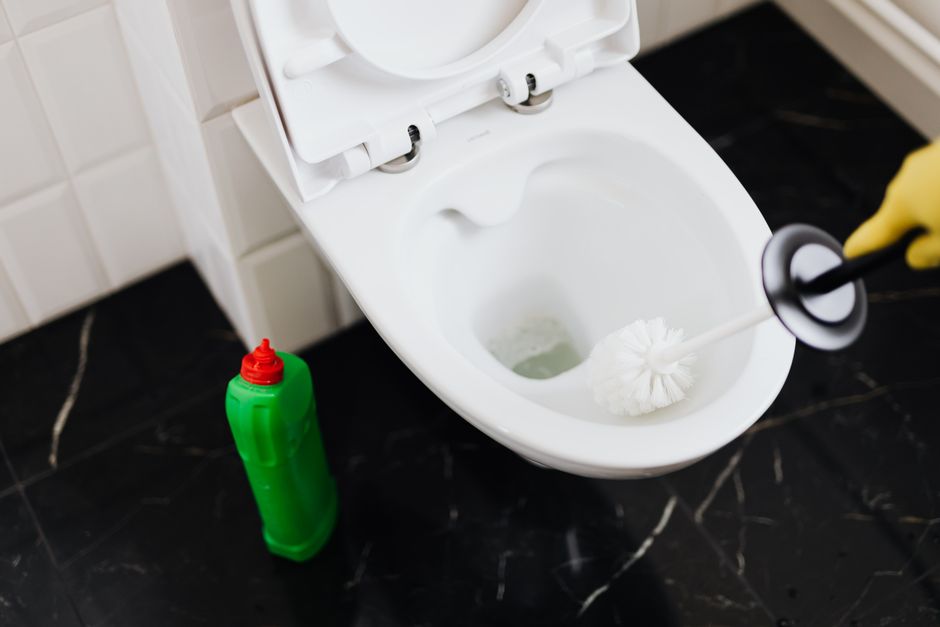
- Put on gloves and flush once to wet the bowl surface and check the water level.
- Apply a toilet bowl cleaner under the rim and along the waterline, following the label’s contact time.
- Scrub the bowl with a dedicated brush, focusing on the rim and the waterline.
- Flush, then wipe the seat, lid, flush handle, and outer rim with a disinfecting wipe or spray.
- Rinse the brush in the bowl or in disinfectant, then let it dry in its holder.
- Remove your gloves and wash your hands with soap and water for at least 20 seconds.
If rings still form between sessions, see these ways to remove a black ring from a toilet bowl, which cover the most common causes and fixes.
Is Brushing Alone Enough?
No. Brushing without a disinfectant leaves more germs behind than brushing with one. In a study of U.S. restrooms reported by the Association for Professionals in Infection Control and Epidemiology, brushing the bowl alone left substantial viral contamination, while brushing with a disinfectant significantly reduced the virus found in the toilet.
The study measured contamination, not illness, so it does not show how much this lowers infection risk in a home. It does give a clear reason to use a disinfectant when you brush. Let the product sit for the time listed on the label before flushing.
Choosing the Right Brush
A brush only helps if it stays clean. Look for a brush with a sealed or ventilated holder that lets the head dry between uses. Compare toilet bowl brushes and holders for a hygienic bathroom to find a design that fits your space and how often you clean.
Does One Flush Clear the Bowl?
No. One flush does not fully clear the bowl. In a study published through CDC Stacks, contaminants remained in toilet bowl water after seven consecutive flushes that followed seeding with E. coli or MS2 bacteriophage, a virus used as a test organism.
This is why a flush alone should not count as cleaning. Brush and disinfect the bowl after use when someone has been ill, and do not assume that repeated flushing replaces scrubbing. Closing the lid before flushing is a common recommendation to reduce spray, but the sources here do not measure how much it helps, so treat it as a sensible habit rather than proven protection.
Where Do Germs Hide on the Rim and Seat?
The underside of the rim and the hinges are among the most overlooked spots in the bathroom. An EPA reference record on toilet hygiene research reports that Salmonella can colonize the underside of the toilet rim and survive there for up to 50 days.
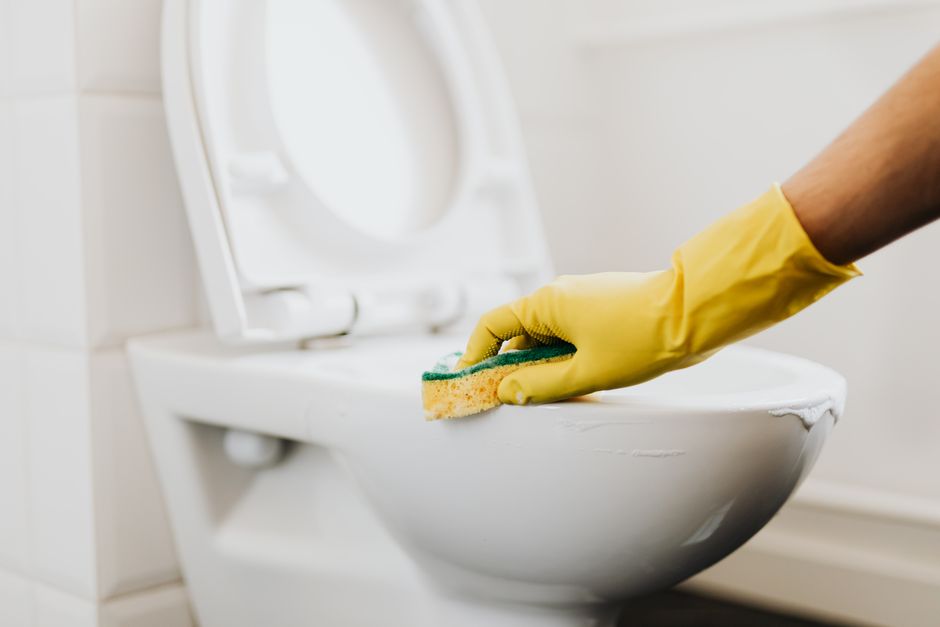
That finding comes from research conditions, so it does not tell you how likely infection is in a typical home. It does show why the rim belongs in every routine clean, not just the water inside the bowl. Lift the seat and clean under the rim with a disinfectant each week, and wipe the seat on both sides.
Products and Habits That Help
Automatic toilet bowl cleaners, which release cleaning agent with each flush, can help keep the bowl cleaner between manual cleanings. The PubMed review cited above supports their role in reducing microorganisms ejected during flushing. They do not replace brushing or wiping the seat and rim.
Choose products carefully. Look for labels that list the germs they are tested against and follow the contact time. If you prefer a homemade option, a homemade foaming toilet bowl cleaner recipe can suit light cleaning, but many homemade mixtures, such as vinegar and baking soda, are better for routine cleaning than for disinfecting.
Safety matters as much as effectiveness. Never combine bleach with vinegar, ammonia, or another cleaner, because mixtures can release dangerous gases. Review household cleaning products you should never mix before you stock your bathroom shelf.
Checklist for Using Bowl Products
- Check the label for disinfecting claims and the germs the product is tested against.
- Follow the contact time before flushing or scrubbing.
- Never mix bleach with vinegar, ammonia, or other cleaning products.
- Keep the room ventilated by opening a window or running the exhaust fan.
- Store brushes dry and replace them when the bristles splay or the handle cracks.
When to See a Doctor or Call a Plumber
Routine cleaning is not a treatment for illness. If you or someone in your home has diarrhea that lasts more than a couple of days, any blood in the stool, vomiting that prevents fluids from staying down, or a high fever, contact a doctor and mention possible exposures. Infants, older adults, pregnant people, and anyone with a weakened immune system should also ask a clinician for hygiene advice specific to their situation.
For plumbing problems such as repeated clogs, slow draining, water rising in the bowl, or a cracked bowl, call a licensed plumber rather than trying to fix it with more cleaner. Stains that do not respond to regular cleaning may need a product matched to the stain type, so check the label or ask a professional cleaner for guidance.
Frequently Asked Questions
How often should I clean a toilet bowl?
Most households should brush and disinfect the bowl two to three times a week, and wipe the seat, lid, and flush handle daily. Increase the frequency if someone in the home is sick, if there are pets or young children, or if you have hard water. Adjust the schedule based on how quickly stains and odors return.
Is toilet bowl cleaner enough to disinfect?
It depends on the product. Some bowl cleaners are registered as disinfectants and list specific germs on the label, while others are only cleaners. Even a disinfecting bowl cleaner may not cover the seat, lid, and handle, so wipe those surfaces with a product that is labeled for disinfection.
Can I use vinegar and baking soda to clean my toilet?
Vinegar and baking soda can remove light residue and help with odors. They are not reliably proven to disinfect the way registered products are. Never mix them with bleach, and do not use them as a substitute if someone in the home has been sick.
Does closing the lid stop germs from spreading?
Closing the lid before flushing is widely recommended to reduce spray from the bowl. The sources used for this guide do not measure how much it lowers exposure in a home. Treat it as a simple habit that is unlikely to hurt, not as a guaranteed fix.
Do automatic bowl cleaners replace scrubbing?
No. Automatic cleaners can help reduce some microorganisms during flushing, but they do not remove biofilm from the rim or the seat. You still need to brush the bowl and wipe high-touch surfaces. Think of them as a supplement to your routine, not a replacement.
Conclusion
To keep toilet bowl clean between deep cleans, brush with a disinfectant two to three times a week, wipe the high-touch surfaces daily, and clean under the rim weekly. The research shows that biofilm builds up, that one flush does not fully clear the bowl, and that disinfecting beats brushing alone. Pair these habits with safe product use, and see a doctor or plumber when symptoms or plumbing problems go beyond routine cleaning.
Always follow the product label, test on a hidden area first, and never mix cleaning products such as bleach and ammonia. Read our safety disclaimer and editorial policy.