Pit stains are the yellow or gray marks that build up under the arms of white shirts, and they are one of the most common laundry problems people face. In most cases, they come from a mix of sweat, body oils, and residue from antiperspirants or deodorants. The good news is that fresh pit stains often lift with a simple pretreatment, while older, yellowed ones can usually be improved with the right whitening method and a careful approach to drying. This guide walks you through how to remove pit stains from white shirts, what to avoid, and when a professional should take a look.
Key Takeaways
- Pit stains form when sweat and aluminum-based antiperspirant residue bind to cotton fibers, and heat from drying can set them permanently.
- Pretreating the underarm area with liquid dish soap or an enzyme detergent for 15 to 30 minutes before washing is a practical first step for fresh stains.
- Oxygen bleach (sodium percarbonate) is often a gentler whitening option than chlorine bleach for white cotton, but you should always check the care label and test a hidden area first.
- Never put a stained shirt in the dryer or apply an iron until the stain is completely gone, because heat can make it permanent.
- Persistent rashes, burning, or very heavy sweating are health concerns that a doctor or dermatologist should evaluate, not just a laundry problem.
What Causes Pit Stains on White Shirts?
Pit stains are caused by a combination of sweat, body oils, and products applied to the underarms, most often aluminum-based antiperspirants. Sweat itself is mostly water and salts, but it carries oils and skin cells that cling to fabric. When these mix with antiperspirant residue, they can leave marks that darken over repeated wear and washing.
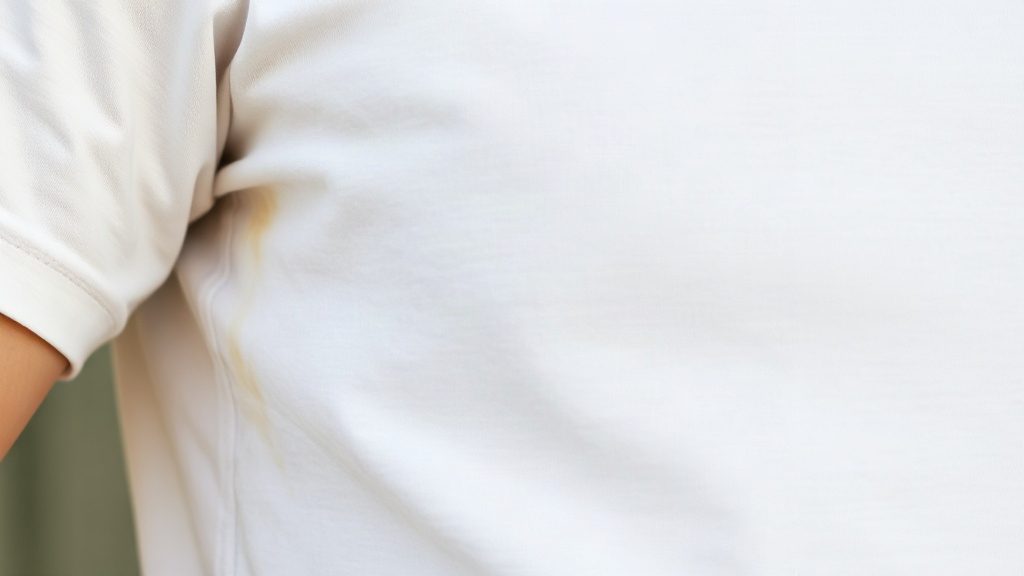
Research and patent filings describe this residue problem in some detail. A United States Patent and Trademark Office filing on charged surfactants for reducing textile staining notes that aluminum-salt antiperspirants can leave residue on clothing, with staining concentrated under the arms. The USPTO patent on charged surfactants and antiperspirant staining is a useful description of why this area of a shirt is so prone to marks, though a patent describes a technical invention rather than independent testing of home methods.
A European Patent Office filing takes a similar approach, targeting sweat, deodorant, and antiperspirant marks in the underarm area of clothing and describing ways to remove or prevent them. Patent filings show that manufacturers recognize pit staining as a specific problem, which is why many stain removers now list underarm use on the label.
Why Do Pit Stains Turn Yellow Over Time?
Pit stains often start out faint and become yellow or brownish after several wash and dry cycles. Heat is the main reason. Drying or ironing bakes residue into the fibers, and the chemistry of sweat and deodorant can react further when heated. This is why a stain that looked almost gone after washing may reappear once the shirt has been dried.
University of Georgia Extension guidance on stain removal warns against applying heat to deodorant-stained items, noting that heat combined with the stain’s chemistry can ruin most fabrics. The practical lesson is simple: treat the stain first, then dry the shirt.
Before You Start: Safety and Testing
Before treating a pit stain, check the care label and test any cleaner on a hidden area such as the inside hem. Test a small spot for at least 15 to 30 minutes and look for color change, fabric thinning, or dye transfer. This takes a few minutes and can prevent losing a shirt entirely.
Gather a few basic supplies: liquid dish soap, a soft toothbrush, an enzyme laundry detergent, oxygen bleach powder, a clean towel, and cold water. Work on a flat surface so the fabric is not stretched, and keep the rest of the shirt away from the treated area to avoid spreading the product.
- Wear gloves if you use oxygen bleach or hydrogen peroxide, since both can irritate sensitive skin.
- Work in a ventilated room, especially when using any product that may release fumes.
- Read the label on every product, and never combine cleaners unless the label says it is safe.
How to Remove Pit Stains From White Shirts Step by Step
To remove pit stains from white shirts, pretreat the underarm area, soak or wash in cool to warm water with an oxygen bleach or enzyme detergent, and air dry the shirt until you can confirm the stain is gone. Fresh stains often come out in one cycle, while older stains may take two or three rounds of treatment.
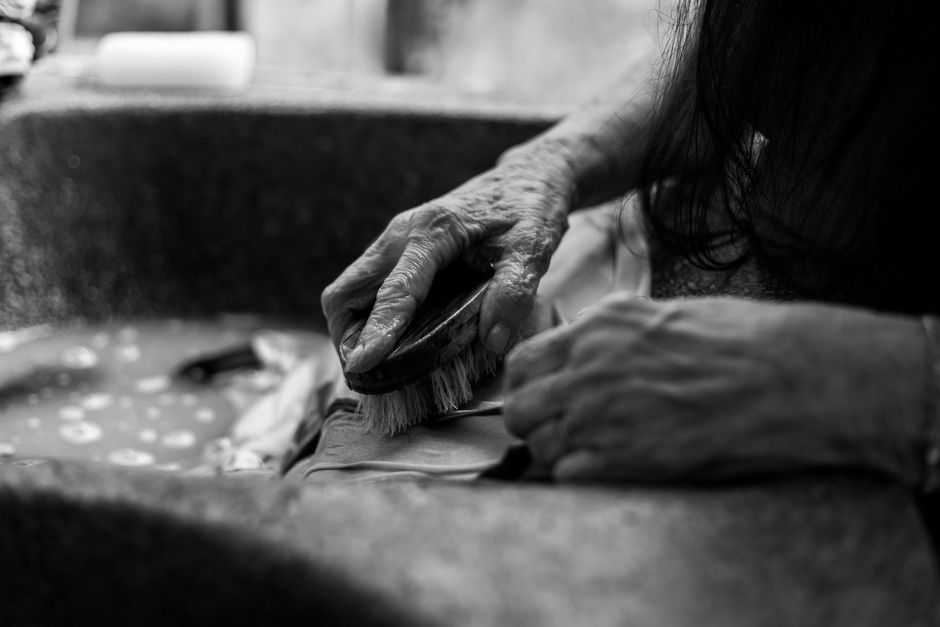
- Rinse the shirt in cold water from the inside out to flush loose sweat and residue.
- Apply a small amount of liquid dish soap directly to the stained area and rub the fabric gently between your fingers or with a soft toothbrush.
- Let the soap sit for 15 to 30 minutes so it can break down oils and residue.
- Mix oxygen bleach with warm water according to the package directions and soak the shirt for at least 30 minutes, or longer for heavy staining.
- Wash the shirt on the warmest setting the care label allows, using an enzyme or regular laundry detergent.
- Check the underarm area in natural light before doing anything else. If the stain is still visible, repeat the pretreatment and soak.
- Air dry the shirt, or hang it in a shaded area, until you are certain the stain is gone.
How Do You Treat Fresh Stains Versus Old Yellow Stains?
Fresh stains respond best to cold water and simple pretreatment, because the residue has not yet bonded to the fibers. Old yellow stains usually need an oxygen bleach soak and sometimes several rounds of treatment. Expect a less complete result on very old stains, since some discoloration may be permanent.
Which Methods Work Best for Old, Set-In Yellow Stains?
Oxygen bleach and enzyme-based products are generally the best starting points for yellowed underarm stains on white cotton, while chlorine bleach is usually avoided. The right method depends on the fabric, how old the stain is, and how sensitive your skin is to the products you use. The table below compares common options.
| Method | Best for | How it works | Key caution |
|---|---|---|---|
| Liquid dish soap pretreatment | Fresh stains and oily residue | Breaks down oils and body soil | Rinse thoroughly to avoid soap residue |
| Enzyme laundry detergent | Body soil and mixed stains | Enzymes target organic matter | Results vary; a soak often helps more |
| Oxygen bleach (sodium percarbonate) soak | Yellowed or set-in stains on white cotton | Releases oxygen to lift discoloration | Check fabric care label; test first |
| Baking soda paste | Light residue and odor | Gentle abrasion and mild alkalinity | Can leave grit if not rinsed well |
| 3% hydrogen peroxide | Light whitening on sturdy cotton | Oxidizes stain molecules | Can lighten colored fabrics; never mix with vinegar |
| Chlorine bleach | Not generally recommended | Strong oxidizer | Can react with residue and set yellow marks |
Baking soda paste is a low-cost option for light marks. Mix a spoonful with a little water until it forms a paste, apply it to the underarm, leave it for 30 minutes, then wash as usual. Rinse well, because leftover grit can look like a new stain on a white shirt.
Can You Use Hydrogen Peroxide on Pit Stains?
Hydrogen peroxide can help lighten some stains on sturdy white cotton, but it is not suitable for every fabric. Use a 3% solution, test a hidden area first, and never mix it with vinegar, since the combination can form peracetic acid, which is irritating to skin and eyes. If you have sensitive skin, skip this method and choose a product labeled for laundry use.
What Should You Avoid When Removing Pit Stains?
The most common mistakes are applying heat too early, mixing cleaners, and using harsh bleach on residue that is not fully removed. Avoiding these errors matters as much as the cleaning steps themselves, because a stain that is set with heat is much harder to remove later.
- Do not put the shirt in the dryer or iron the underarm area until the stain is completely gone.
- Do not combine chlorine bleach with ammonia or acidic cleaners, which can release dangerous fumes.
- Do not mix hydrogen peroxide with vinegar or other acids.
- Do not scrub aggressively on delicate white fabric, which can cause pilling or thinning.
- Do not rely on fabric softener or scent boosters, which can leave a film that traps residue.
If you are unsure which products are safe to combine, review our guide to cleaning products you should never mix before you start.
How Can You Prevent Pit Stains on White Shirts?
Prevention focuses on reducing residue buildup and avoiding heat. Apply antiperspirant to dry skin and allow it to dry before dressing, and wash shirts soon after wearing them rather than letting sweat sit in the fabric for days. These habits reduce the amount of residue that can bond to the cotton.
Consider pretreating the underarm area of white shirts regularly, especially on warm days or after exercise. For a broader overview of how to handle different kinds of marks, see our guide to tackling the most common household stains, which covers general principles that also apply to clothing.
When Should You See a Doctor or Dermatologist?
Pit stains are a cosmetic laundry problem, but certain symptoms point to a health issue that needs professional evaluation. Persistent rash, itching, burning, or skin irritation under the arms can be caused by antiperspirant ingredients, fragrance, or a skin condition, and a doctor or dermatologist can help identify the cause. Very heavy sweating that soaks through shirts regularly may be a sign of excessive sweating, which has treatments available.
If you notice skin changes, do not assume the cause is the laundry product. Stop using any new product that seems to trigger symptoms, and talk to a healthcare professional before continuing. This is especially important for anyone with diabetes, a history of skin conditions, or sensitivity to fragrance or aluminum-containing products.
Frequently Asked Questions
Will Pit Stains Come Out of White Shirts Completely?
Fresh pit stains often come out completely with pretreatment and washing. Older, yellowed stains may fade substantially but not always disappear, especially if the shirt has already been dried with heat several times. Results depend on the fabric, the age of the stain, and how consistently you treat it.
Is Oxygen Bleach Safe for White Cotton Shirts?
Oxygen bleach is generally considered a gentler whitening option than chlorine bleach and is often safe for white cotton. Always check the care label, follow the package directions, and test a hidden area first. Avoid it on wool, silk, or other delicate fabrics unless the label says it is suitable.
Can I Use Baking Soda and Vinegar on Pit Stains?
Baking soda can be used alone as a paste for light residue, and it is a safe, inexpensive option. Vinegar is not a reliable stain remover for antiperspirant residue, and it should never be mixed with hydrogen peroxide. If you use vinegar, rinse the shirt well afterward and avoid combining it with other products.
Why Did My Pit Stain Come Back After Washing?
A stain that seems to reappear after washing has often been set by heat, either in the dryer or from ironing. Residue that is not fully removed can also darken again as the shirt is worn and sweated in. Pretreat the stain again, avoid heat until it is gone, and consider a longer soak.
Should I See a Doctor About Underarm Staining?
Staining alone is usually a laundry issue, but persistent rash, burning, itching, or very heavy sweating are reasons to see a doctor or dermatologist. A healthcare professional can help determine whether a product, skin condition, or sweating disorder is involved. Treatment options exist for many of these causes.
Conclusion
Removing pit stains from white shirts is most successful when you act early, pretreat the underarm area, and keep the shirt away from the dryer until the stain is gone. Fresh marks often lift with dish soap and cold water, while yellowed stains usually respond better to an oxygen bleach soak and patient repeat treatment. If you notice skin irritation or unusually heavy sweating, talk to a healthcare professional rather than relying on laundry products alone.
Always follow the product label, test on a hidden area first, and never mix cleaning products such as bleach and ammonia. Read our safety disclaimer and editorial policy.