To stay ahead of the mess, start your day with a clean workspace and use a daily to-do list to stay organized. Establish a decluttering routine and set aside time each week for organization. Implement the “One In, One Out” rule to control clutter and regularly evaluate your systems for effectiveness. Use a calendar for monthly planning and find a minimalist approach that suits you. Celebrate small wins to keep your motivation high. Discover more simple habits to enhance your organization skills!
Start Your Day With a Clean Workspace

Starting your day with a clean workspace can boost your productivity and focus. By incorporating this simple habit into your morning rituals, you set a positive tone for the day ahead.
A clean workspace each morning sets a positive tone, enhancing productivity and focus for the day ahead.
A tidy environment helps clear your mind, allowing you to concentrate on the tasks at hand. Take a few minutes each morning to declutter your desk, organize your materials, and enhance your workspace aesthetics.
Personal touches like plants or inspiring artwork can also elevate your mood. When you return to a clean desk, you’ll feel more motivated and ready to tackle challenges. Regularly using microfiber cloths to wipe down surfaces will ensure your workspace remains dust-free and inviting.
As you cultivate this habit, you’ll find that a clean workspace not only improves your focus but also fosters a sense of accomplishment and calm.
Make Use of a Daily To-Do List

Using a daily to-do list can transform how you manage your tasks. Incorporating daily declutter routines can help maintain organization and prevent messes from accumulating.
Prioritize Your Daily Tasks
A daily to-do list can be your secret weapon for staying organized and focused. By using it, you can streamline your task assessment and guarantee you tackle your daily priorities effectively.
Start each day by listing tasks in order of importance. This helps you zero in on what truly matters, making your workload feel more manageable. As you check off items, you’ll gain a sense of accomplishment that motivates you to keep going.
Remember, not every task holds equal weight; prioritize those that align with your goals. Whether it’s work-related duties or personal errands, a well-structured list lets you seize the day and conquer your to-dos with confidence.
Embrace this habit, and you’ll see a positive shift in your productivity!
Set Realistic Timeframes
While crafting your daily to-do list, setting realistic timeframes for each task can markedly boost your efficiency. Start by making accurate time estimations for how long each task will take.
Be honest with yourself—if a project usually takes an hour, don’t list it as a 30-minute job. This helps prevent frustration when you inevitably run over time. Additionally, incorporate deadline flexibility; some tasks might require more time than anticipated.
If you find you’re consistently underestimating, adjust your expectations. By doing this, you’ll maintain motivation and reduce stress. A well-structured to-do list with achievable timeframes empowers you to tackle your day’s responsibilities confidently, keeping you organized and ahead of the mess.
Establish a Decluttering Routine
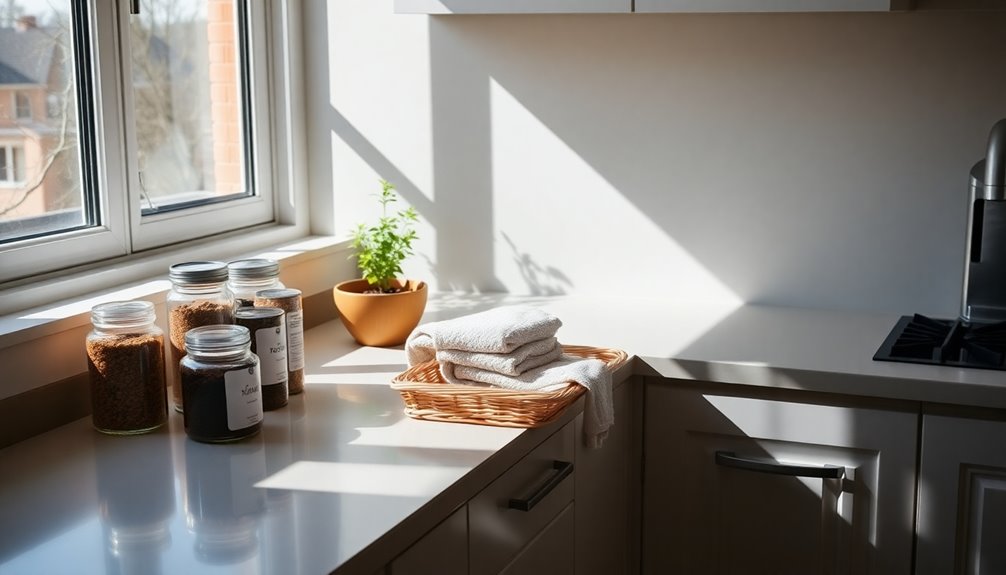
To maintain an organized space, you need to establish a decluttering routine that fits seamlessly into your daily life. Start by setting aside a few minutes each day to tackle small areas, like your desk or a drawer.
Consistency is key—this is where routine importance comes in. By dedicating time daily, the decluttering benefits become evident; you’ll feel less stressed and more in control of your environment.
Focus on one task at a time, whether it’s sorting, cleaning, or donating items you no longer need. As you develop this habit, you’ll find it easier to keep clutter at bay, making your space more enjoyable and functional. Regular cleaning practices, similar to preventing soap scum buildup, can significantly contribute to maintaining an organized and pleasant living space.
Set Aside Time for Weekly Organization
After establishing a decluttering routine, the next step is to set aside dedicated time each week for organization. Effective weekly scheduling can greatly enhance your time management skills and keep your space tidy.
By committing to this habit, you’ll prevent clutter from accumulating again. Additionally, incorporating a cleaning schedule into your routine can help maintain a tidy home.
Here are some tips to make the most of your weekly organization time:
- Choose a consistent day and time for organization.
- Break tasks into manageable chunks.
- Focus on one area or category at a time.
- Use timers to stay on track and maintain focus.
- Reward yourself for completing your organization session.
Implement the “One In, One Out” Rule
One of the simplest yet most effective strategies for maintaining organization is to implement the “One In, One Out” rule. This approach helps you cultivate a declutter mindset by ensuring that every time you bring something new into your space, you remove something else.
It’s a practical way to keep your belongings in check and avoid unnecessary clutter. Whether it’s clothing, books, or gadgets, consider what you truly need and love. By focusing on small daily tasks to maintain tidiness, you create a lasting impact on your home’s cleanliness.
Keep a Designated Spot for Important Items
When you create a designated spot for important items, you’re setting yourself up for success in staying organized. A designated drawer or a specific shelf can serve as your go-to place for important item storage, making it easier to find what you need.
Here are some tips to help you make the most of this habit:
- Choose a spot that’s easily accessible.
- Label your designated drawer for quick identification.
- Keep only frequently used items in this space.
- Regularly review and declutter to guarantee efficiency.
- Store similar items together for better organization.
- This practice contributes to maximizing storage and maintaining a calm environment.
Use Storage Solutions to Maximize Space
To maximize your space, think about how you can use storage solutions effectively.
Use vertical storage options to take advantage of every inch, invest in clear bins for easy visibility, and label everything clearly for quick access. These simple strategies can transform cluttered areas into organized havens. Additionally, incorporating tiered shelves can enhance visibility and make accessing your items even easier.
Utilize Vertical Storage Options
If you’re looking to maximize your space, utilizing vertical storage options can make a significant difference. By taking advantage of your walls and overhead areas, you can create a more organized environment.
Here are some effective solutions:
- Vertical shelving for books and decor
- Wall mounted organizers for tools and supplies
- Over the door racks for shoes or accessories
- Stackable bins for versatile storage
- Ceiling storage for seasonal items
Consider adding corner shelves or pegboard systems to keep everything accessible.
Use multi-tiered carts for mobility, and don’t forget magnetic strips or hanging baskets for small items. These strategies will help you utilize every inch and keep your space tidy!
Invest In Clear Bins
Investing in clear bins can transform your organization game. These transparent containers let you see what’s inside without opening them, saving you time and effort.
One of the clear bin benefits is their ability to maximize storage efficiency; they stack neatly and fit into tight spaces, making the most of every nook in your home. You can easily group similar items, from seasonal clothes to craft supplies, ensuring that everything has its place.
Plus, clear bins come in various sizes, allowing you to customize your storage solutions based on your needs. By using clear bins, you’ll not only declutter your space but also create a systematic approach to maintaining order, making it easier to stay organized long-term.
Label Everything Clearly
Labels are your best friend when it comes to staying organized. By implementing effective labeling strategies, you can transform your cluttered spaces into efficient areas.
To maximize space, consider these tips:
- Use clear, easy-to-read labels
- Implement color coding for quick identification
- Label storage bins and shelves for specific items
- Create a master list for larger storage areas
- Regularly update labels as contents change
With these techniques, you’ll not only find what you need faster but also maintain an organized environment.
Digitize Paperwork for a Paperless Life
As you endeavor for a more organized life, digitizing your paperwork can considerably reduce clutter and streamline your daily tasks.
Embracing a paperless lifestyle offers numerous benefits, such as saving space and making it easier to find important documents. Start by scanning your paper files and storing them in organized digital folders.
Use cloud storage services to access your files anywhere, anytime. This method enhances your digital organization, allowing you to categorize documents by type, date, or project.
Plus, you’ll minimize the risk of losing essential paperwork. Regularly back up your digital files to guarantee you don’t lose any important information. Implementing a 4-Box Method can also help you decide what to keep or discard when transitioning from physical to digital files.
With just a few simple changes, you can enjoy the efficiency and convenience that comes with a paperless life.
Create Zones for Different Activities
Creating zones for different activities can transform your space and boost productivity.
By designating specific areas for work, relaxation, and hobbies, you establish clear boundaries that help you focus.
You’ll find it easier to switch gears when each zone serves a distinct purpose. Additionally, maintaining a clean environment with effective dusting techniques can further enhance your ability to concentrate and enjoy each space.
Designate Specific Areas
One effective way to boost your organization at home or work is by designating specific areas for different activities.
By creating distinct zones, you establish clear boundaries that help you focus and minimize distractions.
Here are some areas you might consider setting up:
- Work Zone: A dedicated space for tasks and projects.
- Relaxation Zone: An area for unwinding, reading, or meditating.
- Creative Zone: A spot for hobbies, arts, and crafts.
- Meal Prep Zone: A designated kitchen area for cooking and meal planning.
- Storage Zone: A place for organizing supplies, documents, and equipment.
Establish Clear Boundaries
Designating specific areas is just the beginning; establishing clear boundaries takes organization to the next level. Start by creating zones for different activities—work, relaxation, and hobbies. This boundary setting helps you focus and declutter your mind. When you know where each task belongs, you’ll avoid mixing work with leisure, making it easier to switch gears.
Additionally, respect your personal space. Keep your work area free from distractions and clutter. Set time limits for tasks, ensuring you don’t encroach on your relaxation zone.
Communicate these boundaries to those around you, so they understand the importance of respecting your space. By establishing clear boundaries, you’ll foster a more organized and productive environment, ultimately enhancing your overall well-being.
Schedule Breaks to Avoid Overwhelm
When you schedule regular breaks throughout your day, you can considerably reduce feelings of overwhelm and boost your productivity.
A well-timed break allows for a mental recharge, helping you return to tasks with renewed focus. Here are some tips to make the most of your breaks:
- Set specific break duration: Aim for 5-10 minutes for brief breaks, or 30 minutes for longer ones.
- Change your environment: Step outside or move to a different room.
- Practice mindfulness: Try deep breathing or meditation during breaks.
- Engage in light activity: Stretch or take a short walk to get your blood flowing.
- Stay hydrated: Drink water to refresh your mind and body.
Incorporating these habits will keep you energized and organized! Additionally, involving the whole family can create a supportive environment that helps maintain organization and reduces individual stress.
Prioritize Tasks With a Time Management System
To effectively manage your time and stay organized, prioritizing tasks is essential.
Start by using a priority matrix to classify tasks based on urgency and importance. This helps you identify what needs immediate attention and what can wait.
Utilize a priority matrix to sort tasks by urgency and importance, pinpointing what requires immediate focus.
Once you’ve sorted your tasks, implement time blocking to allocate specific time slots for each task. By dedicating uninterrupted time to your priorities, you’ll enhance focus and productivity.
Make sure to review and adjust your priority matrix regularly, as tasks and deadlines can shift.
Limit Distractions by Creating a Focused Environment
Although distractions are everywhere, creating a focused environment can greatly enhance your productivity.
By optimizing your workspace and practicing effective distraction management, you’ll foster an atmosphere conducive to focus. Here are some key strategies to implement:
- Noise control: Use headphones or soundproofing to minimize auditory distractions.
- Workspace arrangement: Keep only essential items within reach to reduce clutter.
- Digital detox: Limit notifications and set screen time boundaries.
- Mindfulness practices: Incorporate short breaks for deep breathing or meditation.
- Task batching: Group similar tasks together to maintain concentration.
Use Labels to Identify Storage Areas
A focused environment sets the stage for better organization, and using labels can take your system to the next level. By implementing effective labeling systems, you can easily identify your storage categories.
Clear organization sparks efficiency, allowing you to locate items swiftly. Use storage labels that reflect your inventory management needs, so you know exactly what’s where. Choose labeling techniques that guarantee visual identification, making it simple to spot what you need at a glance.
Whether you’re organizing a pantry or a home office, these organization strategies will streamline your space. With well-placed labels, you’ll maintain order and minimize frustration, letting you focus on what truly matters in your daily routine.
Practice Mindful Consumption to Reduce Clutter
Before making a purchase, ask yourself if you really need it.
Embracing quality over quantity can help you avoid clutter and keep your space organized.
Evaluate Before Purchase
When you pause to evaluate a purchase, you’re not just saving money; you’re also actively reducing potential clutter in your life.
Practicing mindful consumption is essential for smart shopping. Before you buy, ask yourself:
- Do I really need this item?
- Will it serve a purpose or just sit unused?
- How will this affect my space and organization?
- Can I borrow or rent instead?
- Is it worth the investment in the long run?
Embrace Quality Over Quantity
Rather than accumulating items that clutter your space, focusing on quality over quantity can transform your environment and your mindset.
By making quality investments, you guarantee that each item you bring into your home serves a purpose and lasts longer. Think about what truly enhances your life and practice mindful purchasing.
Before you buy, consider if the item is necessary, durable, and fits your style. This approach not only reduces clutter but also encourages you to appreciate what you own.
When you prioritize quality, you’ll find you need fewer items to feel satisfied. Embracing this mindset allows you to cultivate a more intentional living space, ultimately leading to a more organized and peaceful environment.
Set Reminders for Regular Cleanups
To keep your space clutter-free and organized, setting reminders for regular cleanups can make all the difference.
Using reminder apps helps you stick to cleanup schedules, ensuring you don’t overlook necessary tasks. Here are some tips to get started:
- Choose a specific day and time for cleanups.
- Set recurring reminders on your phone or a calendar app.
- Break tasks into smaller, manageable chunks.
- Use visual cues, like sticky notes, in visible areas.
- Reward yourself after completing a cleanup session.
Involve Family or Housemates in Organization
Getting your family or housemates involved in organization can make a big difference.
Start by assigning clear responsibilities to each person, so everyone knows what to tackle.
Regular check-ins and open communication will keep everyone on the same page and motivated.
Assign Clear Responsibilities
While organizing your space may seem like a solo task, involving family or housemates can make the process smoother and more effective.
To guarantee role clarity and efficient task delegation, assign specific responsibilities. Here are some ways to do this:
- Designate a “cleaning captain” for each week.
- Assign specific areas for each person to organize.
- Create a chore chart for daily or weekly tasks.
- Encourage everyone to declutter their personal items regularly.
- Set up a system for shared spaces, like a rotating schedule.
Establish Regular Check-Ins
Regular check-ins can greatly enhance your organization efforts when you involve family or housemates. Set aside time each week for reflections on what’s working and what isn’t.
These weekly reflections allow everyone to share insights and offer support, making it easier to stay on track. By establishing a routine, you create accountability partners who help each other stay committed to your organizational goals.
Encourage everyone to discuss their individual challenges and successes, fostering a collaborative environment. This teamwork not only keeps your space tidy but also strengthens relationships.
Make these check-ins enjoyable—pair them with a meal or a fun activity to keep motivation high. Together, you can tackle the mess and maintain a harmonious living space.
Encourage Open Communication
To keep your home organized, fostering open communication among family members or housemates is essential. Encouraging everyone to share their thoughts and feelings can lead to a more harmonious living environment.
Try these strategies:
- Practice active listening to show you value their input.
- Hold regular discussions about organization goals and challenges.
- Provide constructive feedback when someone shares ideas.
- Create a shared calendar for cleaning and organizing tasks.
- Celebrate small wins together to boost morale.
Evaluate and Adjust Your Systems Regularly
As you navigate your organizational journey, it’s important to assess and refine your systems periodically. Regular system evaluation helps you identify what’s working and what’s not, allowing for effective process adjustment.
Take time each month to review your workflows, tools, and routines. Are they still serving your needs? If you find bottlenecks or inefficiencies, don’t hesitate to tweak your approach. Even small adjustments can lead to significant improvements in your productivity.
Use a Calendar to Plan Your Month
Using a calendar to plan your month can dramatically enhance your organization and productivity. By choosing the right calendar types, you can effectively track your monthly goals and stay on top of your tasks.
Here’s how to make the most of your calendar:
- Set clear monthly goals to focus your efforts.
- Schedule regular check-ins to review your progress.
- Use color coding for different categories, like work or personal.
- Block out time for important tasks to guarantee they get done.
- Leave space for flexibility to accommodate unexpected changes.
With these strategies, you’ll not only stay organized but also feel more in control of your time.
Grab your calendar and start planning for a more productive month!
Find a Minimalist Approach That Works for You
Finding a minimalist approach that works for you can simplify your life and boost your productivity. Embracing a minimalist mindset means focusing on what truly matters.
Start by evaluating your belongings and commitments. Ask yourself, “Does this add value to my life?” If not, consider letting it go. Intentional living is about making conscious choices that align with your goals and values.
You can declutter your space mentally and physically, reducing distractions and creating room for what inspires you. Set boundaries on your time, prioritizing activities that nurture your well-being.
Experiment with different strategies and routines until you find what feels right. Remember, minimalism isn’t one-size-fits-all; it’s a personal journey towards simplicity and clarity in your life.
Celebrate Small Wins to Stay Motivated
Although staying organized can sometimes feel overwhelming, celebrating small wins along the way can keep you motivated. When you acknowledge achievements, no matter how minor, you reinforce positive habits and boost your morale.
Staying organized can be daunting, but recognizing small victories fuels motivation and strengthens positive habits.
Here are some ways to celebrate progress:
- Treat yourself to your favorite snack.
- Take a short break and enjoy a walk.
- Share your accomplishments with a friend.
- Write down what you achieved in a journal.
- Set a small reward for completing a task.
Conclusion
Staying ahead of the mess might seem like an intimidating task, but ironically, it’s often the little habits that make the biggest difference. By embracing these simple strategies, you’ll find yourself not just managing chaos but actually thriving in it. Who knew that a clean workspace and a to-do list could transform your life? So, celebrate those small wins—after all, they’re the real MVPs in your quest for organization. You’ve got this!