To wash foam cushions safely, remove the cover, spot clean the foam with a small amount of mild soap and cool water, press out the moisture without wringing, and let the cushion air dry fully in a shaded, ventilated spot. Most standard polyurethane foam cushions should not go in a washing machine or dryer, because agitation, heat, and twisting can tear the foam’s internal cell structure and leave the cushion lumpy or unsupportive. This guide explains how to wash foam cushions step by step, how to read the care label, how to prevent mildew, and when to stop and call a professional.
Key Takeaways
- Check the care label first, because a ‘W’ code on a cover means water-based cleaning is acceptable, while an ‘S’ code calls for a dry-cleaning solvent instead.
- Most foam cushion cores should be spot cleaned rather than machine washed, since agitation and heat can break down the foam.
- Polyurethane flexible foam, the most common cushion material, emits volatile organic compounds (VOCs), and researchers compare indoor measurements against published guidance values to judge exposure risk.
- Foam that stays damp can develop odor and mildew, so plan on drying a cushion thoroughly, which can take many hours to a day or more depending on thickness.
- Use mild detergent, cool water, and light pressure, and avoid bleach and strong solvents that can degrade the foam.
What Kind of Foam Cushion Do You Have?
Most couch and sofa cushions use polyurethane foam, sometimes wrapped in polyester batting for a softer surface. Other cushions use memory foam, latex, or polyester fiberfill, and each reacts differently to water and heat. Identifying the material helps you choose the gentlest method that works.
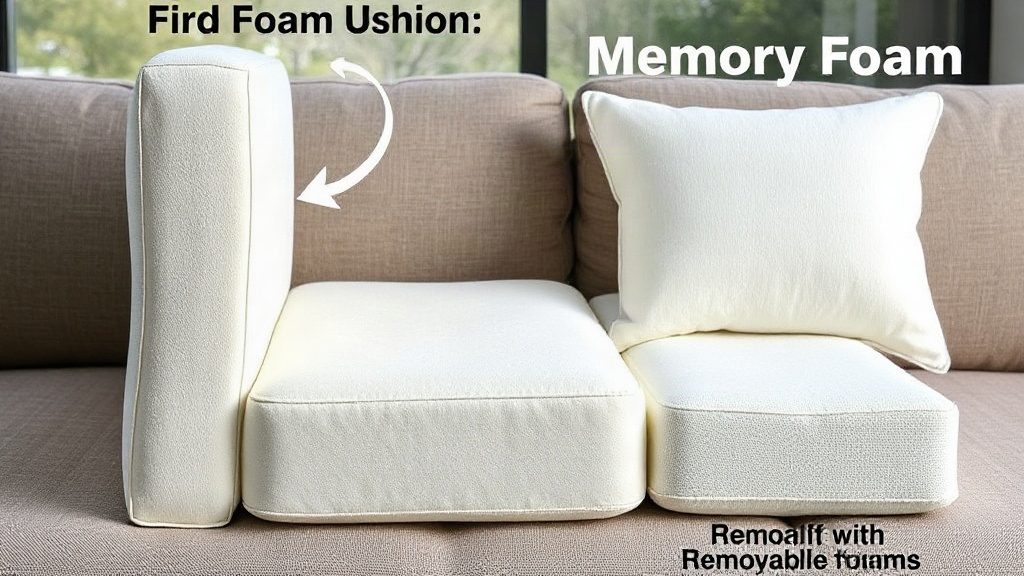
| Cushion type | Typical feel | Recommended approach |
|---|---|---|
| Standard polyurethane foam | Firm to medium support, common in sofas | Spot clean only, press out water, air dry flat; avoid soaking |
| Memory foam (viscoelastic) | Slow rebound, contouring feel | Spot clean sparingly; follow the manufacturer’s instructions; keep heat away |
| Latex foam | Springy and bouncy | Mild soap and cool water only; never wring; confirm with the maker |
| Polyester fiberfill | Soft and fluffy | Often more tolerant of cleaning, but check the label before machine washing on gentle |
If you cannot find a label or manufacturer, assume the foam is polyurethane and use the gentlest spot-cleaning method below.
Before You Start: Check the Label and Remove the Cover
Always read the care label before you wet anything, because it tells you whether water is safe for the cover and what cleaning codes apply. Removable covers are often washable on their own, which keeps the foam core out of the process entirely. For more detail on covers specifically, see our guide on whether you can wash removable couch cushion covers.
The Yahoo Shopping guide to cleaning worn couch cushions explains that care labels use letter codes. A ‘W’ code means water-based cleaning can be used, while an ‘S’ code means a dry-cleaning solvent should be used instead, so an ‘S’ label rules out home water cleaning. Follow the most restrictive code you see on the cover or cushion.
Before you start, gather these supplies:
- A handheld vacuum or upholstery attachment
- Mild dish soap or a gentle upholstery cleaner without bleach
- Two or three clean white cloths or sponges
- A bowl of cool water and a few clean towels
- A fan or dehumidifier for drying, if your room is humid
Step-by-Step: How to Wash Foam Cushions by Hand
To wash foam cushions by hand, vacuum first, test the cleaner in a hidden spot, clean with a barely damp sponge, rinse lightly, press out moisture, and air dry. The goal is to clean the surface without saturating the core. If you want a broader overview of cleaning couch cushions without a machine, read our guide on how to clean couch cushions without a washing machine.
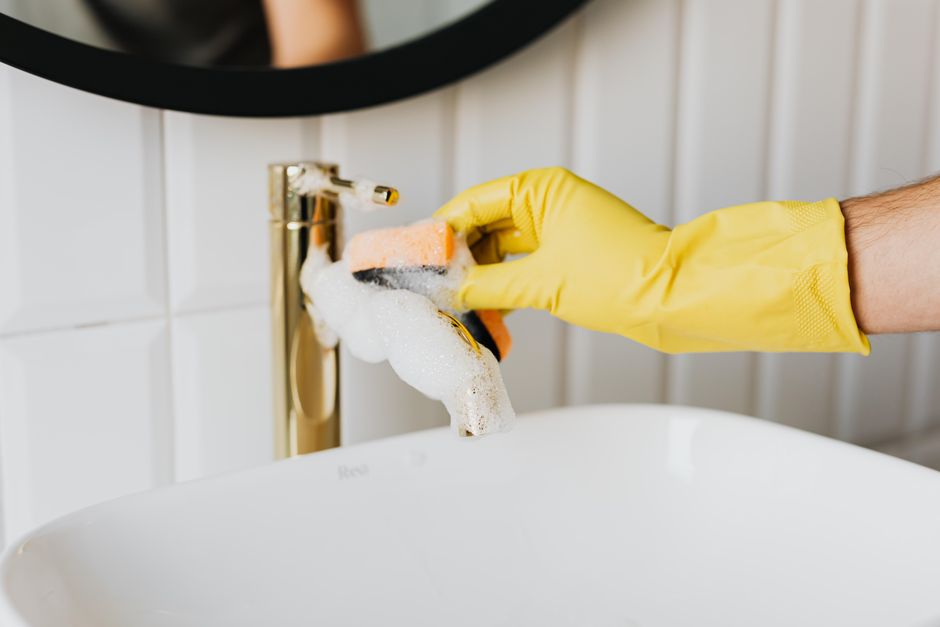
- Vacuum both sides of the cushion with an upholstery attachment to remove crumbs, pet hair, and loose dirt.
- Test your cleaning solution on a hidden area, such as the underside. Press a dampened white cloth on it, wait a few minutes, and check for color transfer or texture change.
- Mix a few drops of mild dish soap into a bowl of cool water and stir until you get light suds. Use only the foam on top of the water, not the liquid.
- Dip a sponge or cloth in the suds, squeeze it until it is only damp, and gently wipe the stained area using light, circular strokes.
- Rinse by wiping with a clean cloth dampened with plain cool water to remove soap residue, which can attract dirt if left behind.
- Press the cushion between clean, dry towels to absorb moisture. Do not twist, wring, or squeeze hard, since that can crush and tear the foam cells.
- Set the cushion flat on a rack or towel in a ventilated, shaded area and flip it every few hours until it is completely dry.
Work in small sections and avoid soaking the foam. If a stain does not lift after two gentle attempts, stop rather than scrubbing harder, because aggressive scrubbing can fray the surface and push the stain deeper.
Can You Put Foam Cushions in the Washing Machine?
Usually not. Standard polyurethane foam cushions generally should not go in a washing machine or dryer, because the combination of tumbling, water saturation, and heat can damage the foam’s structure. Machine washing is more realistic for some polyester fiberfill inserts or covers, but only if the label allows it.
Why Agitation and Heat Cause Damage
Foam is made of a network of tiny cells that give it support and bounce. Repeated tumbling and wringing can collapse those cells, leaving a permanent dip or uneven feel. High dryer heat can also soften or degrade the material, and a cushion that is still damp inside can hold moisture for a long time.
When a Washing Machine Might Be an Option
Some cushions contain removable, machine-washable covers or polyester fiberfill rather than foam. In those cases, use a gentle cycle with cold water, a mild detergent, and no high-heat drying. If you are unsure, our article on what to know before washing couch cushions in a washing machine covers the risks and precautions in more detail.
How to Dry Foam Cushions Without Mildew
Foam cushions dry best when they are laid flat in a warm, dry, ventilated room with good airflow, and they should be fully dry before you put them back on the sofa. Trapped moisture inside a thick cushion can lead to musty odor and mildew growth, which is one of the most common problems people run into after washing.
Use these practical habits to speed drying and prevent problems:
- Place the cushion on a rack or on towels so air reaches all sides, rather than resting it on a solid surface.
- Run a fan pointed at the cushion, or use a dehumidifier in a closed room.
- Flip the cushion every few hours and press gently to check for damp spots inside.
- Avoid hair dryers, space heaters, and direct sun on high heat, which can warp or degrade foam.
- Only return the cushion to the sofa once it feels dry all the way through and smells neutral.
If a cushion still smells musty after thorough drying, or you see dark spots, the moisture may have been trapped too long. Mold growth can be difficult to remove from porous foam, so replacing the cushion is often the safer choice.
Are Cleaning Chemicals and Foam Safe for Your Health?
Foam cushions are generally safe to use, but polyurethane foam can release volatile organic compounds (VOCs), which are carbon-based chemicals that evaporate into indoor air. A PubMed Central study on indoor air guidance values for VOCs emitted from polyurethane flexible foam describes how researchers compare measured indoor concentrations against published guidance values to assess consumer exposure. Cleaning with harsh products adds another source of chemicals to your home, so choosing mild methods is a sensible precaution.
What the Research Does and Does Not Show
This type of research uses guidance values as a benchmark, which means it helps assess whether typical exposure is within published reference levels. It does not tell you that a specific cushion in your home is hazardous, and actual exposure depends on the foam, the room size, ventilation, and how long the product has been in use. Individual sensitivity also varies, so people with asthma or chemical sensitivities may want to be more cautious.
Cleaners to Avoid on Foam
Some common products can cause damage or add unnecessary chemical exposure. Avoid bleach, ammonia-based cleaners, and strong solvent sprays on foam. Do not mix cleaning products, since combinations can produce harmful fumes; for specifics, see our list of cleaning products you should never mix. Ventilate the room while cleaning and while the cushion dries.
When to Call a Professional or Replace the Cushion
Call a professional upholstery cleaner when a stain is large, deep, or unknown, or when the fabric is delicate, and replace the cushion when the foam is crumbling, permanently mildewed, or no longer supports you. A professional can assess the material and choose a method that matches the label. If you want to compare methods for a whole piece of furniture, our guide to cleaning a fabric couch without damaging the material outlines when professional help makes sense.
Speak with your doctor or an allergist if you notice persistent coughing, wheezing, skin irritation, or breathing problems after cleaning or after a cushion gets wet. Those symptoms should be evaluated rather than treated at home, especially if you have asthma or a history of allergies.
Frequently Asked Questions
Can you use vinegar to wash foam cushions?
Diluted white vinegar is sometimes suggested for odor and light stains, but it is acidic and can affect some fabrics and finishes. Test it on a hidden area first and use only a small amount on a damp cloth. It is not a substitute for thorough drying, and it will not reliably remove deep mildew.
How long does it take foam cushions to dry?
Drying time depends on the cushion’s thickness, the humidity, and airflow. A thin cushion in a well-ventilated room may dry in several hours, while a thick one can take a day or longer. Flip it regularly and check the center by pressing gently before you return it to use.
Can you speed up drying with a hair dryer?
It is better not to. High heat can soften, warp, or degrade foam, and a hair dryer focuses heat on one spot while leaving the inside damp. A fan, dehumidifier, or good airflow is a safer way to speed drying.
Does washing remove the smell of old foam?
Surface cleaning can reduce light odors from food, pets, or sweat. However, odors that come from deep moisture, mildew, or breakdown of the foam itself often return. If the smell persists after careful cleaning and drying, the cushion may need to be replaced.
How often should you wash foam cushions?
Many households spot clean cushions every few months and vacuum them more often, depending on use, pets, and children. Do a deeper cleaning only when a stain or odor appears, since repeated wetting can wear foam over time. Rotate and fluff cushions regularly to extend their life.
Conclusion
Knowing how to wash foam cushions comes down to gentle, damp-not-wet cleaning, careful pressing rather than wringing, and complete air drying. Check the care label, avoid the washing machine for standard foam, and keep harsh chemicals out of the process. When a cushion stays musty, crumbles, or no longer supports you, replacing it is usually the best choice, and a doctor should evaluate any breathing or allergy symptoms.
Always follow the product label, test on a hidden area first, and never mix cleaning products such as bleach and ammonia. Read our safety disclaimer and editorial policy.