Last updated: · By Megan Hart
Toilet cleaning tools are the brushes, wands and holders you use to scrub the bowl, the area under the rim and the waterline. A good tool matters because a worn, dirty or wet brush cannot clean well and can spread residue around the bathroom. This guide explains the main types of toilet cleaning tools, how to clean and store them, and what the evidence says about everyday toilet hygiene.
In short, a sturdy brush with a comfortable handle, a head that reaches under the rim, and a holder that lets it dry will handle most home jobs. The brush does only part of the work. Cleaning with soap or detergent and water comes first, and disinfection is a separate step that follows.
Key Takeaways
- CDC environmental cleaning guidance calls for private toilets to be cleaned and disinfected at least once a day and shared toilets at least twice a day.
- CDC guidance says to clean with soap and water before applying disinfectant, because disinfectant cannot work well on a dirty surface.
- Toilets are listed among high-touch surfaces that should be cleaned at least once a day in CDC guidance hosted by OSHA.
- Bristle, silicone, electric and disposable tools each trade off cost, scrubbing power, ease of cleaning and waste.
- Never mix bleach with other cleaning or disinfecting products, because the fumes can be dangerous to breathe.
What Are the Main Types of Toilet Cleaning Tools?
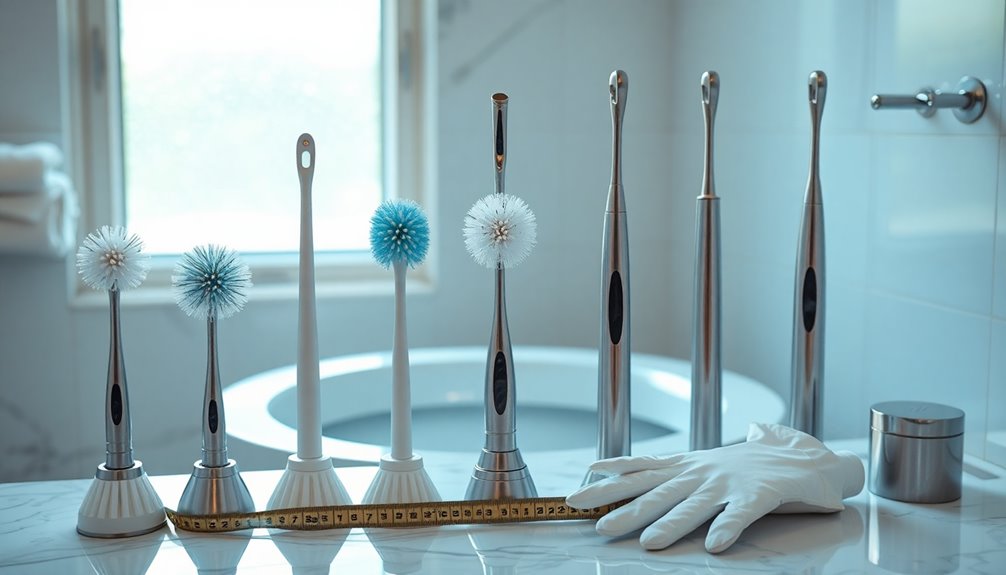
The four common types are traditional bristle brushes, silicone brushes, electric brushes and disposable wand kits. Each differs in upfront cost, scrubbing power, how easily it rinses clean, and how much waste it creates.
Traditional Bristle Brushes
Bristle brushes are the most economical option and remain the default in most homes. Stiff bristles handle waste and residue well, and angled heads can reach under the rim. Bristles can hold moisture and odor, so they need thorough rinsing and good airflow to dry.
Silicone Brushes
Silicone brushes have a smooth surface that many people find easier to rinse than bristles. They often cost more at the start, and some models may need more scrubbing pressure than stiff bristle heads. Check the manufacturer’s material and head details before you buy, since designs vary widely.
Electric Brushes
Electric brushes use a motorized head that spins or vibrates, which can help if you have limited grip strength, arthritis or trouble reaching the back of the bowl. They need charging or batteries and have more parts to clean. Few independent comparisons exist, so judge them by the specifications and your own needs.
Disposable Wand Kits
Disposable kits use a handle with a pre-loaded cleaning head that you throw away after use. They are convenient for quick jobs and avoid storing a used brush, but the recurring cost and waste add up over time.
| Type | Typical strengths | Main drawbacks | Best for |
|---|---|---|---|
| Bristle brush | Low cost, scrubs well under the rim | Can hold moisture and odor, wears out | Everyday cleaning on a budget |
| Silicone brush | Smooth surface, often easier to rinse | Higher upfront cost, may need more pressure | People who want easy rinsing |
| Electric brush | Less hand effort, motorized scrubbing | Needs power, more parts to clean | Limited grip or reach |
| Disposable wand kit | Convenient, no used brush to store | Ongoing cost and waste | Occasional quick cleaning |
How Often Should You Clean Your Toilet?
CDC’s environmental cleaning procedures recommend cleaning and disinfecting private toilets at least once a day and shared toilets at least twice a day. Toilet seats and door handles are named as high-touch items that need the most attention.
These schedules were written for healthcare and public settings, so a home is not held to the same standard. For a bathroom used by several people, a daily wipe of the seat, lid, flush handle and faucet is a reasonable benchmark. CDC guidance hosted by OSHA lists toilets among high-touch surfaces to clean at least once a day, and notes that regular daily cleaning is usually enough to remove virus from surfaces in most situations. Daily cleaning reduces surface residue but does not replace hand washing or medical care when someone is sick.
How Do You Clean a Toilet Safely With a Brush?
Clean with soap or detergent and water first, scrub with your brush, rinse, and then apply a disinfectant if your situation calls for one. Skipping the cleaning step makes the disinfectant less effective, because residue shields germs from contact.
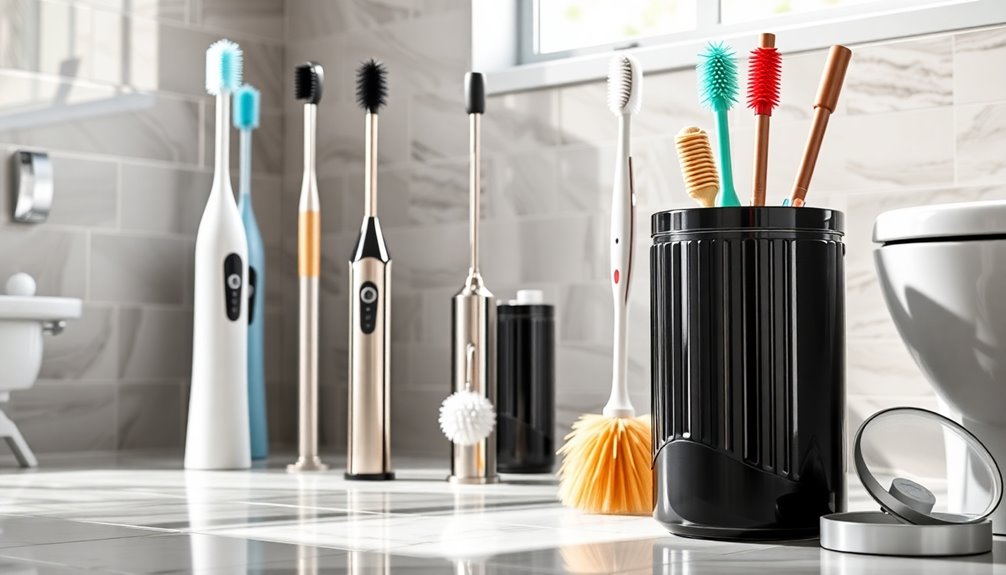
- Open a window or run the exhaust fan, and put on gloves.
- Flush, then apply a toilet cleaner or detergent under the rim and inside the bowl.
- Scrub with the brush, paying close attention to the waterline and under the rim.
- Flush again, then wipe the seat, lid, flush handle and outside surfaces with soap and water.
- If you are disinfecting, apply a product labeled for the purpose and leave it on for the contact time on the label.
- Rinse the brush over the bowl, shake off the water, and return it to a ventilated holder.
The CDC’s guidance for cleaning and disinfecting homes and public spaces says to clean with soap and water before applying disinfectant. The same logic appears in the CDC’s 2008 guideline for disinfection and sterilization in healthcare facilities, which says effective disinfection depends on meticulous, correctly performed cleaning first. For step-by-step technique, see how to use a toilet brush the right way.
Never mix bleach with other cleaning or disinfecting products, because the fumes can be dangerous to breathe. Read the label of each product and use one at a time. For combinations to avoid, see cleaning products you should never mix.
How Do You Choose the Right Toilet Brush?
Choose a brush that reaches under the rim, has a handle that keeps your hand clear of the water, and has a head you can rinse thoroughly or replace. Make sure the holder lets the brush dry rather than sitting in standing water.
- The head reaches under the rim and into the bowl curve.
- The handle is long enough and has a grip that stays firm when wet.
- The head is either replaceable or made of a material that rinses clean.
- The holder is ventilated and has a stable base that will not tip.
- The bristles or head do not feel likely to scratch a glossy bowl finish.
If you want a closer look at specific brushes and holders, read toilet bowl brushes and holders for a hygienic bathroom.
How Should You Clean and Store Your Toilet Brush?
Rinse the brush after each use, let it dry in a ventilated holder, and clean the holder regularly. A damp, closed container can hold moisture and odor, which is why airflow matters as much as the brush itself.
- Rinse the brush under running water after each use until no residue remains.
- Shake it dry and store it upright in a holder that drains and allows air to circulate.
- Clean the holder with soap and water at least every few weeks, and more often if it looks soiled.
- Keep cleaning chemicals away from the brush, and never store it in a sealed bag while still wet.
When Should You Replace a Toilet Brush?
The sources reviewed for this guide do not set a fixed replacement interval for home toilet brushes, so replace yours based on its condition. Replace it when bristles are splayed or matted, the handle or head cracks, or the brush stays stained or smelly after cleaning.
A worn brush is harder to clean and can hold more residue, so waiting too long defeats the purpose of cleaning. Many households find that a fresh brush every several months keeps the routine simple, but the condition of the brush should drive the decision.
Are Eco-Friendly Toilet Brushes Worth It?
Eco-friendly toilet brushes are worth considering when they have replaceable heads or durable materials that reduce waste. Terms like biodegradable or plant-based describe materials, not performance, so check the packaging for specifics.
Choosing a brush and choosing a cleaner are separate decisions. Whatever brush you buy, use disinfectants according to their labels, and follow the CDC’s guidance to clean with soap and water first.
Common Mistakes to Avoid
The most common mistakes are skipping the cleaning step, storing a wet brush, mixing products and using one brush for several jobs. Each one reduces the value of your toilet cleaning tools.
- Applying disinfectant to a dirty bowl without scrubbing first.
- Storing the brush wet in a closed holder.
- Mixing bleach with other cleaners or using two products at once.
- Using the toilet brush on the sink, tub or kitchen surfaces.
For more, read using a toilet brush: common mistakes to avoid.
When Should You Talk to a Health Professional?
Routine cleaning is not a substitute for medical care. Talk to a doctor if you or someone in your home has persistent diarrhea, vomiting, fever or a known infection, or if someone with a weakened immune system is concerned about germs at home.
If a household member has been exposed to a contagious illness, follow the guidance from their clinician or your local public health department. They can tell you whether extra cleaning, separate bathroom use or other precautions apply to your situation.
Frequently Asked Questions
How often should I replace my toilet brush?
No fixed interval is backed by the sources reviewed here, so replace the brush when it shows wear. Look for splayed or matted bristles, cracks in the handle or head, and stains or odor that persist after cleaning. A brush in that condition is harder to clean and should be replaced.
Is a silicone toilet brush more hygienic than a bristle brush?
The evidence reviewed here does not show that one type is more hygienic than the other. Silicone is often easier to rinse because of its smooth surface, which may help with residue. Either type needs thorough rinsing and drying to stay clean.
Can I mix bleach with my toilet cleaner?
No. CDC guidance warns never to mix bleach with other cleaning or disinfecting products, because the fumes can be dangerous to breathe. Use one product at a time, read the labels, and ventilate the room while cleaning.
Do I need to disinfect my toilet every day?
CDC guidance calls for private toilets to be cleaned and disinfected at least once a day in healthcare-style settings. At home, a daily wipe of high-touch areas such as the seat, lid and flush handle is a reasonable routine. A full cleaning with a brush can be less frequent if the bowl stays clean between sessions.
Are electric toilet brushes better than manual ones?
Electric brushes can be easier for people with limited grip strength, arthritis or reach problems. They need charging, have more parts to clean, and cost more. Manual brushes remain effective for most households if they are cleaned, dried and replaced when worn.
Conclusion
The best toilet cleaning tools are the ones you can reach with, rinse fully and store so they dry. Bristle, silicone, electric and disposable options each have trade-offs, so pick the one that fits your bathroom and your grip. Clean with soap and water first, follow product labels for any disinfectant, and replace the brush when it shows wear.
More on Toilet Cleaning Tools
- 7 Best Toilet Cleaner Brushes for Sparkling Clean Bathrooms
- Combatting the Black Ring: Solutions for a Pristine Toilet Bowl
- DIY Foaming Toilet Bowl Cleaner Recipe
- How to Clean Ring in the Toilet: Easy and Effective Methods
- How to Use a Toilet Brush the Right Way
- The Best Toilet Bowl Brushes and Holders for a Hygienic Bathroom
- Toilet Scrubbers That Actually Work – Our Top Picks
- Top 10 Easy Clean Toilets for Effortless Maintenance
- Unclogging and Cleaning: How to Effectively Clean a Plunger
- Using Toilet Brush: Common Mistakes to Avoid
- Why Put a Toilet Roll Under the Seat? The Surprising Reason
Related guides: 7 Best Disinfectants for Bathroom Surfaces · Best Shower Spray Cleaners for a Sparkling Bathroom · 10 Essential Cleaning Sponges for a Sparkling Home
Free tools: Cleaning Products You Should Never Mix
Always follow the product label, test on a hidden area first, and never mix cleaning products such as bleach and ammonia. Read our safety disclaimer and editorial policy.