To keep your floors cleaner, you need practical litter tracking solutions. Start by placing high-pile or textured mats at every entry point to trap dirt. Consider higher-sided or covered litter boxes to minimize spills and control odors. Regularly clean the boxes and explore self-cleaning options for less hassle. Don’t forget about grooming your pets to reduce fur. By following these tips, you’ll create a healthier home for you and your pets. More effective strategies await you ahead.
Understanding Litter Tracking: Why It Matters
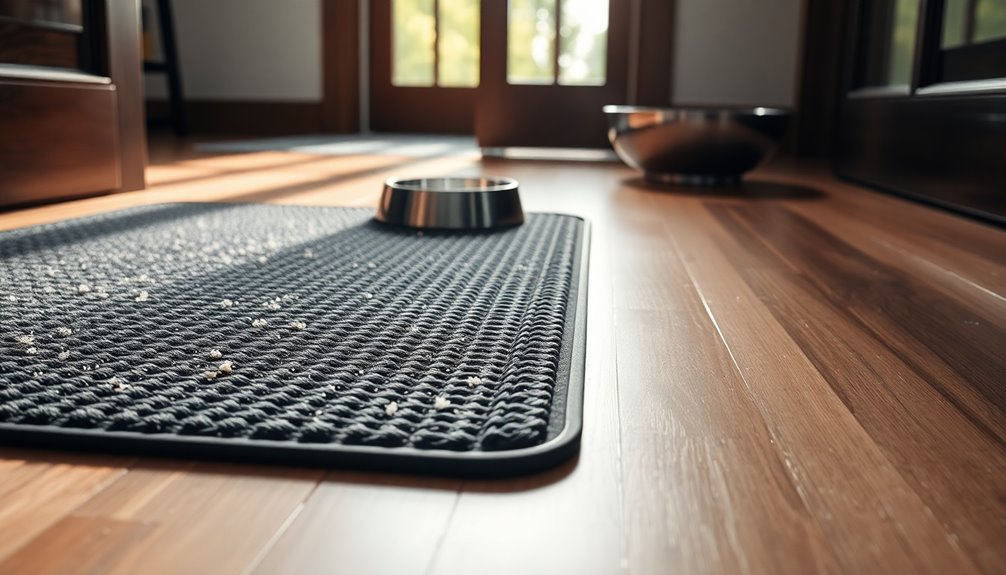
While many people may not realize it, litter tracking plays an essential role in maintaining clean environments and promoting community health. By understanding how litter tracking solutions work, you can take proactive steps to enhance floor cleanliness in your home or workplace.
Litter tracking occurs when dirt or debris is brought in from outside, often leading to unsightly messes and potential health hazards. Implementing effective litter tracking solutions, like strategic mat placements, can greatly reduce the amount of litter that makes its way indoors. This not only keeps your floors cleaner but also minimizes allergens and bacteria that could impact your well-being. By prioritizing litter tracking, you contribute to a healthier, more inviting space for yourself and others, while also considering the benefits of eco-friendly methods that can further enhance your cleaning efforts.
Choosing the Right Mat: Types of Litter Trapping Mats
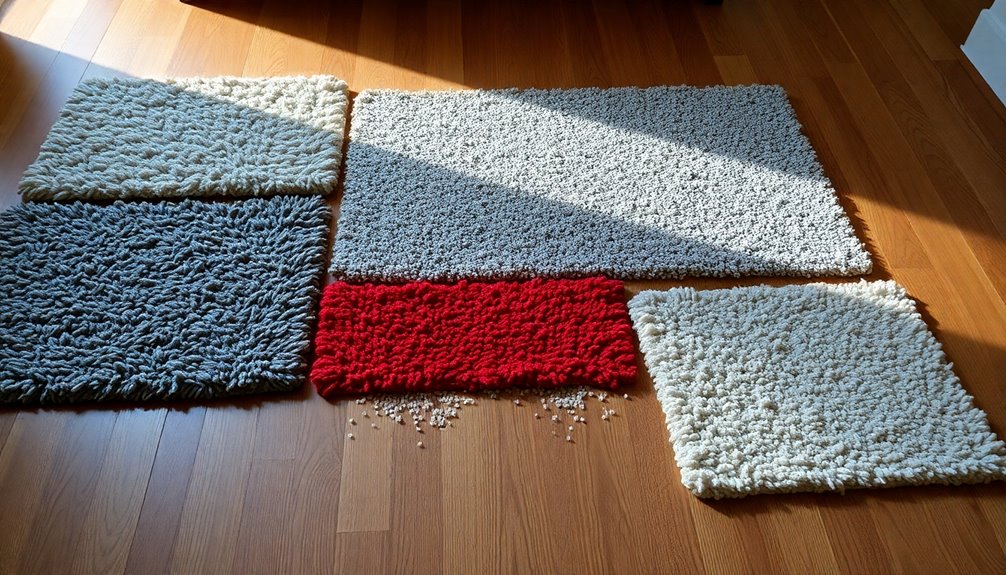
When it comes to litter trapping mats, you’ll want to contemplate both the materials and sizes available. Different materials can affect how well the mat captures litter, while various shapes can fit your space better. Choosing wisely can make a big difference in keeping your home clean. Additionally, selecting a mat made from eco-friendly materials can contribute to a more sustainable household.
Material Types Overview
Choosing the right litter trapping mat is crucial for effectively minimizing the mess your pets create.
With various material types available, you can find the perfect fit for your home. Consider the following options:
- Biodegradable materials for an eco-friendly alternative
- Rubber mats that provide durability and moisture barriers
- Carpet options with texture varieties to trap litter effectively
- Plastic trays that are easy to clean and maintain
- Silicone mats that offer flexibility and grip
You can also look for absorbent pads to enhance cleanliness or custom designs to suit your decor.
Each material has its advantages, so weigh your choices to ascertain you select a mat that meets your needs while keeping your floors cleaner.
Size and Shape Options
Selecting the right size and shape for your litter trapping mat can greatly impact its effectiveness in keeping your home clean. You’ll find various size options, from small mats perfect for tight spaces to larger ones that cover more ground. Choosing a size that fits your litter box area guarantees that litter is caught before it spreads.
Shape variations also play an important role; rectangular mats are often standard, but you can opt for rounded or custom shapes to suit your décor and pet’s habits.
Consider your pet’s size and how they exit the litter box. By matching the mat’s dimensions and shape to your home and pet’s needs, you’ll enhance its litter-trapping capabilities.
Implementing a Litter Box With Higher Sides
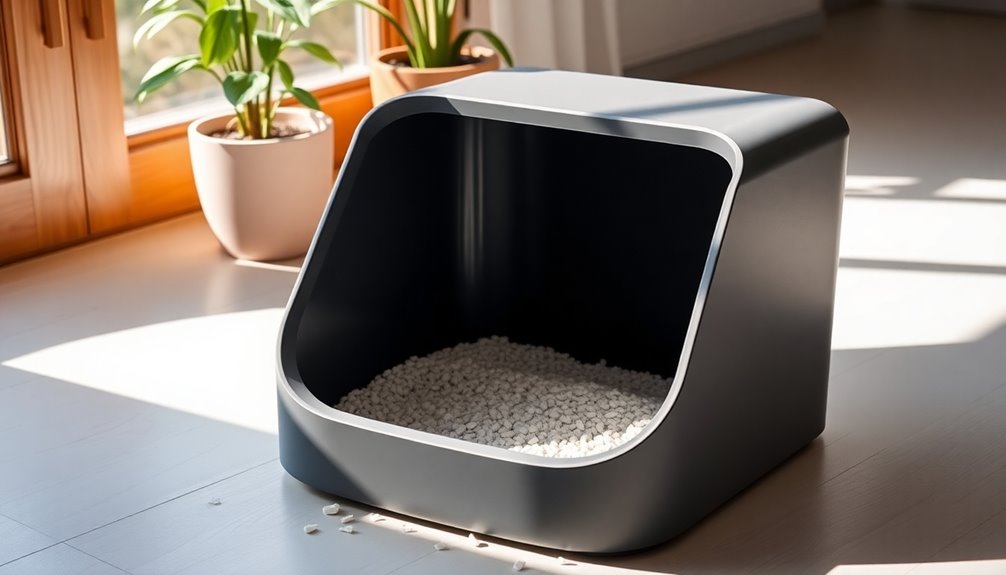
If you’re tired of litter scattering everywhere, a litter box with higher sides might be the solution you need.
Not only does it help contain messes, but it also gives your cat the privacy they crave. Additionally, using a litter box can promote a healthy bathroom experience for your pet, ensuring they feel secure while maintaining cleanliness.
Let’s explore how this simple change can enhance your cat’s bathroom experience.
Reduced Litter Spills
When you implement a litter box with higher sides, you’ll likely notice a significant reduction in litter spills around your home.
These litter box innovations are designed to contain messes more effectively, keeping your floors cleaner. The added height helps prevent litter from scattering when your cat jumps in and out.
Consider these benefits of higher-sided litter boxes:
- Enhanced containment of litter
- Less tracking of litter outside the box
- Improved cleanliness for your home
- Easier to maintain with less frequent cleanups
- Compatibility with various tracking technology for monitoring usage
With a higher-sided litter box, you can enjoy a tidier living space while ensuring your furry friend has a comfortable place to do their business.
Enhanced Privacy For Cats
By choosing a litter box with higher sides, you’re not just reducing mess; you’re also enhancing your cat’s sense of privacy.
Cats are naturally discreet creatures, and providing them with a litter box that offers more enclosure can make a big difference in their comfort. Higher sides help prevent spills while giving your furry friend a secure space to do their business.
This added privacy can encourage them to use the box more consistently, reducing accidents around your home. Plus, it keeps litter contained, minimizing tracking issues.
The Benefits of Using a Covered Litter Box
Using a covered litter box can greatly enhance your feline friend’s bathroom experience while also benefiting your home environment.
With several covered benefits, it’s a smart choice for both you and your cat. Here are some key advantages:
- Odor Control: The cover helps contain smells, keeping your home fresher.
- Reduced Mess: It prevents litter from scattering outside the box.
- Privacy: Cats often feel more secure in a covered space, encouraging them to use it.
- Pest Prevention: Covers deter insects and other pests from accessing the litter.
- Aesthetics: Covered boxes can blend better with your home decor compared to open ones.
Additionally, a cleaner environment can enhance mental well-being, promoting a sense of calm and control in your home.
Regular Maintenance: How Often Should You Clean?
While it might be tempting to let cleaning your cat’s litter box slide for a few days, regular maintenance is crucial for both your cat’s health and your home’s cleanliness.
Establishing a cleaning schedule can make this task manageable. Aim to scoop out waste at least once a day—this helps keep odors at bay and prevents your cat from avoiding the box.
Additionally, consider changing the litter completely every two weeks or as needed, depending on the type of litter you use and how many cats you have. Following these frequency guidelines guarantees a fresher environment for both you and your pet. Regular cleaning also helps prevent bacteria growth and mildew smell in your home, enhancing overall cleanliness.
Using a Litter Box With a Self-Cleaning Feature
If you’re looking to simplify litter box maintenance, a self-cleaning litter box might be the perfect solution.
These innovative boxes utilize self-cleaning mechanics that save you time and effort while enhancing user convenience. Here are some benefits you can expect:
- Automatically sifts through litter after each use
- Reduces odors by containing waste effectively
- Minimizes the need for daily scooping
- Offers a more hygienic environment for your cat
- Can be programmed for specific cleaning schedules
With a self-cleaning litter box, you’ll spend less time on maintenance and more time enjoying your pet’s company. Additionally, the focus on high-traffic areas in your home can help ensure that the litter box area remains clean and tidy.
Spend less time on litter box upkeep and more time cherishing moments with your furry friend.
These features not only keep your home cleaner but also guarantee your cat has a fresh and inviting space to use.
Selecting the Best Type of Cat Litter for Less Mess
When it comes to choosing cat litter, you’ll want to evaluate clumping versus non-clumping options, as they can impact cleanliness. Low dust formulas are also essential if you’re looking to minimize mess and allergens in your home. Plus, deciding between scented and unscented varieties can make a difference in both odor control and your cat’s comfort. Additionally, opting for plant-based ingredients in your cleaning products can further enhance indoor air quality and safety for your feline friend.
Clumping vs. Non-Clumping
Choosing the right cat litter can greatly impact your cleaning routine and your cat’s comfort.
When deciding between clumping and non-clumping litter, it’s essential to weigh the pros and cons.
Clumping Benefits:
- Forms solid clumps for easy scooping
- Minimizes odors by isolating waste
- Reduces litter waste over time
- Easier to monitor your cat’s health through waste
- Generally more pleasant for cats to use
Non-Clumping Drawbacks:
- Requires more frequent full changes
- Odors can linger longer
- Harder to track waste distribution
- May lead to a messier litter box
- Potentially less comfortable for your cat
Low Dust Options
Clumping and non-clumping litters each have their advantages, but dust can be a significant issue regardless of your choice. To keep your home cleaner, consider low dust options that minimize mess.
Look for cat litters made from eco-friendly options like recycled paper or wood, which tend to produce less dust than traditional clay litters. These materials aren’t only better for the environment, but they can also be more gentle on your cat’s respiratory system.
If you or anyone in your household has allergies, hypoallergenic materials are essential. Choose litters free from harsh chemicals and fragrances to maintain a healthier living space.
Scented vs. Unscented
While some pet owners swear by scented cat litter for masking odors, others find unscented options more suitable for maintaining a clean environment.
Choosing between the two ultimately depends on your preferences and your cat’s behavior.
Here are some factors to take into account:
- Scented benefits: Helps mask litter odor effectively.
- Unscented preferences: Ideal for cats with scent sensitivity.
- Litter odor: Scented litter mightn’t eliminate odors completely.
- Scent sensitivity: Some cats may avoid litter that smells strong.
- Owner preferences: Take into account what you find most pleasant or effective.
Evaluate these aspects to determine which type aligns best with both your needs and your furry friend’s comfort.
Creating a Designated Litter Area in Your Home
Creating a designated litter area in your home can greatly improve both your pet’s comfort and your household’s cleanliness.
Start by selecting a specific space that’s easily accessible for your furry friend, away from high-traffic areas. This designated zone should have sufficient room for the litter box, ensuring your pet feels secure while using it.
Pay attention to your pet’s litter preferences; some may prefer clumping litter, while others favor finer textures.
Keep the area well-maintained by regularly scooping and changing the litter, which helps prevent odors and tracking. Additionally, organizing your litter area efficiently can promote hygiene and ensure easy access to cleaning supplies.
Incorporating Door Mats to Catch Dirt and Litter
To keep your home clean and minimize litter tracking, incorporating door mats can be an effective solution.
Choosing the right mat design and materials is essential for peak dirt-catching efficiency. Consider the following tips:
- Select high-pile or textured mats that trap dirt effectively.
- Opt for durable materials like rubber or nylon that withstand heavy foot traffic.
- Choose mats with a non-slip backing to guarantee safety and stability.
- Consider washable options to maintain hygiene and freshness over time.
- Place mats at every entry point to maximize their effectiveness.
Additionally, using eco-friendly products in conjunction with these mats can enhance your cleaning routine while being safer for the environment.
Utilizing Pet Grooming Tools to Reduce Shedding
Utilizing effective pet grooming tools can greatly reduce shedding, making your home cleaner and more comfortable. By investing in the right grooming tools, like slicker brushes and de-shedding tools, you can easily manage your pet’s coat.
Regular grooming sessions not only keep your pet looking great, but they also help with shedding prevention. Incorporate various grooming techniques, such as brushing your pet outside, to minimize loose fur indoors.
Make it a routine to groom your furry friend at least once a week, depending on their coat type. This way, you’ll considerably decrease the amount of fur that ends up on your floors and furniture, creating a more pleasant living environment for you and your family. Additionally, consulting a veterinarian or professional groomer can help determine tailored grooming schedules for your pet.
Educating Family Members on Litter Etiquette
Teaching your family about litter etiquette is essential for maintaining a clean home.
By setting clear expectations and encouraging everyone to take responsibility for cleanup, you create a more harmonious living environment.
Let’s explore how to make litter management a shared family goal.
Importance of Litter Etiquette
While it may seem small, practicing good litter etiquette can have a significant impact on your community and the environment.
Teaching your family about litter responsibility fosters a cleaner space for everyone. Here are five essential practices to encourage:
- Always clean up after your pets to guarantee pet cleanliness.
- Dispose of litter in designated bins, not on the ground.
- Use biodegradable bags for pet waste to minimize environmental harm.
- Educate younger family members on the importance of litter etiquette.
- Participate in community clean-up events to promote awareness and responsibility.
Setting Clear Expectations
To foster a culture of litter responsibility in your family, it’s essential to set clear expectations regarding litter etiquette.
Start by having an open conversation with everyone about the importance of keeping shared spaces clean. Use clear communication to explain what you expect from each family member when it comes to disposing of litter.
Make sure everyone understands their role in maintaining cleanliness, whether that means putting trash in bins or ensuring items are properly stored. Encourage questions to clarify any uncertainties, as this helps with expectation management.
Encouraging Responsible Cleanup
How can you make litter etiquette a natural part of your family’s routine? Start by introducing fun ways to engage everyone.
Encourage your family members to understand the importance of keeping spaces clean through active participation. You can:
- Discuss litter awareness campaigns to highlight the impact of littering.
- Organize family outings at local parks to participate in community cleanup initiatives.
- Set up a rewards system for responsible cleanup efforts at home.
- Create a litter-free challenge to motivate everyone.
- Share stories about how litter affects wildlife and the environment.
Setting Up a Litter Box in Multiple Locations
When you’ve got multiple pets or a large space, setting up a litter box in various locations can make a significant difference in your cat’s comfort and hygiene.
Proper litter box placement is essential; you should aim for one box per cat, plus one extra. This helps reduce territorial disputes and guarantees your cats have access when they need it.
Choose quiet, low-traffic areas where your pets feel safe and secure. Avoid placing boxes near their food and water bowls to maintain a clean environment.
Regularly check each box for cleanliness, and be prepared to adjust the locations if your cats seem hesitant to use them.
With thoughtful placement, you’ll keep your home cleaner and your pets happier.
How to Choose Litter Boxes With Integrated Traps?
What features should you look for in litter boxes with integrated traps? Choosing the right litter box can make a big difference in keeping your floors cleaner. Here are some key aspects to take into account:
Choosing the right litter box is essential for maintaining clean floors and ensuring your cat’s comfort.
- Design: Opt for a box with a high-sided design to minimize spills.
- Material: Look for a durable, easy-to-clean material that resists odors.
- Integrated Traps: Verify the traps effectively catch and hold litter as your cat exits.
- Size: Choose a box that’s spacious enough for your cat to move comfortably.
- Accessibility: Think about a low entry point for younger or older cats to easily access the litter box.
Using Sticky Paws to Prevent Litter Tracking
While you might’ve the perfect litter box, tracking can still be a challenge. That’s where sticky paws come in.
These adhesive mats are designed to catch litter as your cat exits the box, greatly enhancing litter tracking prevention. You’ll find that the sticky paws effectiveness lies in their ability to trap stray granules before they spread across your floors.
Simply place a mat outside the litter box, and watch as it captures litter with ease. Not only do these mats keep your space cleaner, but they also make cleanup a breeze.
Plus, they’re easy to replace, so you can maintain a tidy environment with minimal effort. Say goodbye to those pesky litter trails!
Exploring Litter Box Alternatives: Indoor Grass and More
If you’re looking for a fresh approach to litter management, indoor grass and other alternatives might just be the solution you need.
These eco-friendly alternatives not only help reduce litter tracking but also promote a more natural environment for your pets.
Here are some options to contemplate:
- Indoor Grass: Mimics outdoor grass, providing a familiar surface for your cat.
- Coconut Fiber Mats: Biodegradable and highly absorbent, perfect for odor control.
- Paper Pellet Litter: Made from recycled paper, it’s gentle on paws and eco-friendly.
- Wood Chips: Natural, sustainable, and effective for absorption.
- Corn-Based Litter: Biodegradable, clumping, and made from renewable resources.
Exploring these alternatives can lead to a cleaner home and happier pets!
Installing a Litter Box Cabinet for Concealment and Cleanliness
Indoor grass and other litter alternatives can greatly improve your pet’s bathroom experience, but managing the aesthetics of a litter box still remains a challenge.
Installing a litter box cabinet can be an effective solution for concealment and cleanliness. These cabinets come in various litter box styles, allowing you to choose one that fits your home decor while keeping your space tidy.
You can opt for sleek, modern designs or rustic, charming options that blend seamlessly into your room. Most cabinet designs feature easy access for cleaning and refilling while keeping litter contained.
This way, you maintain a clean environment, reducing the mess and odor associated with traditional litter boxes. It’s a win-win for both you and your pet!
The Role of Air Purifiers in Maintaining Clean Air
Air purifiers can greatly improve your indoor air quality, making your home feel fresher and more inviting.
They help reduce allergens and eliminate odors, creating a healthier environment for you and your pets.
Improved Indoor Air Quality
While many people underestimate the impact of clean air on their well-being, it plays an essential role in maintaining a healthy living environment.
Air purifiers help you achieve improved indoor air quality through effective air filtration and allergen control. Here’s how they contribute:
- Removes dust and pet dander
- Reduces airborne bacteria and viruses
- Eliminates smoke and odors
- Minimizes mold spores
- Enhances overall respiratory health
Allergen Reduction Benefits
When you consider the importance of maintaining a clean living space, the role of air purifiers in allergen reduction becomes clear.
These devices help trap dust, pet dander, and pollen, which are common allergens that can compromise your respiratory health. By improving allergen awareness, you can take proactive steps to minimize exposure in your home.
Air purifiers filter out harmful particles, creating a healthier environment for you and your family. This is especially important for those with allergies or asthma, as cleaner air can greatly reduce symptoms.
Investing in a quality air purifier not only promotes better air quality but also contributes to your overall well-being by ensuring that the air you breathe is as clean as possible.
Odor Elimination Features
To keep your indoor air fresh and pleasant, odor elimination features in air purifiers play an essential role. They utilize advanced technology to effectively neutralize unwanted smells, ensuring a healthier environment.
Here’s how they work:
- Activated Carbon Filters: These trap and absorb odors, improving scent elimination.
- Odor Neutralizers: They break down odor molecules, making your space feel fresher.
- HEPA Filters: While primarily for allergens, they also help reduce odor particles.
- UV-C Light Technology: This kills bacteria and mold, which can cause unpleasant smells.
- Ionizers: They release negatively charged ions to help neutralize odors in the air.
Tips for Managing Litter Waste Effectively
Managing litter waste effectively requires a proactive approach, as small changes can lead to significant impacts.
Start by implementing efficient litter disposal techniques, like using covered bins in high-traffic areas. Regularly check and empty these bins to prevent overflow and unpleasant odors.
Establish waste management strategies that involve educating everyone in your space about proper disposal methods. Encourage the use of biodegradable litter and recycling whenever possible.
Create a schedule for deep cleaning to maintain a tidy environment. Additionally, consider using litter mats or tracking solutions to minimize debris spreading.
Conclusion
Keeping your floors clean from litter is like maintaining a well-tended garden; with the right tools and care, you can cultivate a fresh, inviting space. By choosing the right mats, using covered litter boxes, and staying on top of maintenance, you can greatly reduce mess and odors. Remember, your efforts not only benefit your home but also create a healthier environment for your furry friend. Embrace these solutions, and watch your space flourish!