Last updated: · By Megan Hart
This cleaning cloths guide explains which cloth types do which jobs, what the research shows about their cleaning performance, and how to keep them hygienic. Most households need only a few cloths: a microfiber cloth for dusting and wiping, a cotton terry towel for soaking up spills, a chamois or microfiber cloth for glass, a dish cloth for dishes, and paper towels or wipes for messes you do not want to handle directly. For most routine cleaning, soap and water matter more than the cloth itself.
Key Takeaways
- The CDC states that for most household situations, soap and water alone can remove most germs, and disinfecting is generally needed only when someone at home is sick or has recently visited.
- A 2022 study in the American Journal of Infection Control found that reprocessed microfiber cloths, laundered under CDC laundry parameters, removed microbes from healthcare surfaces at a level substantially equivalent to new microfiber.
- In a randomized lab study, a water-dampened microfiber cloth followed by UV-C light was about as effective against Staphylococcus aureus as chemical disinfecting wipes.
- Ten microfibre cloths tested in one study performed differently from each other, with a single use giving an average log10 reduction of about 2.21 in microbes, so the word microfiber alone does not guarantee results.
- Paper towels and disposable wipes are convenient but add single-use waste, so washable cloths are the lower-waste choice for routine cleaning.
How Do You Choose the Right Cleaning Cloth?
You choose a cleaning cloth by matching its material to the surface and the job. Absorbent cloths suit spills, lint-free cloths suit glass, and gentle cloths suit delicate finishes. The table below summarizes the seven types covered in this guide.
| Cloth type | Best for | Main limitation | Reusable? |
|---|---|---|---|
| Microfiber cloth | Dusting, wiping counters, glass, general surfaces | Quality varies between brands; needs proper washing | Yes |
| Terry cloth towel | Soaking up spills, drying, heavier scrubbing | Can hold moisture and odors if left damp | Yes |
| Chamois cloth | Drying and polishing glass and mirrors | Less useful for scrubbing; can stiffen over time | Yes |
| Standard dish cloth | Dishes, light kitchen wipe-downs | Can harbor germs when left damp | Yes |
| Magic Eraser pad | Stubborn marks on hard surfaces | Abrasive; can dull glossy finishes | Until worn |
| Paper towel | Quick cleanups, greasy or messy spills | Single-use waste; weak on tough grime | No |
| Disposable wipe | Fast cleanups on the go | Single-use waste; most are not biodegradable | No |
What Are Microfiber Cleaning Cloths Best For?
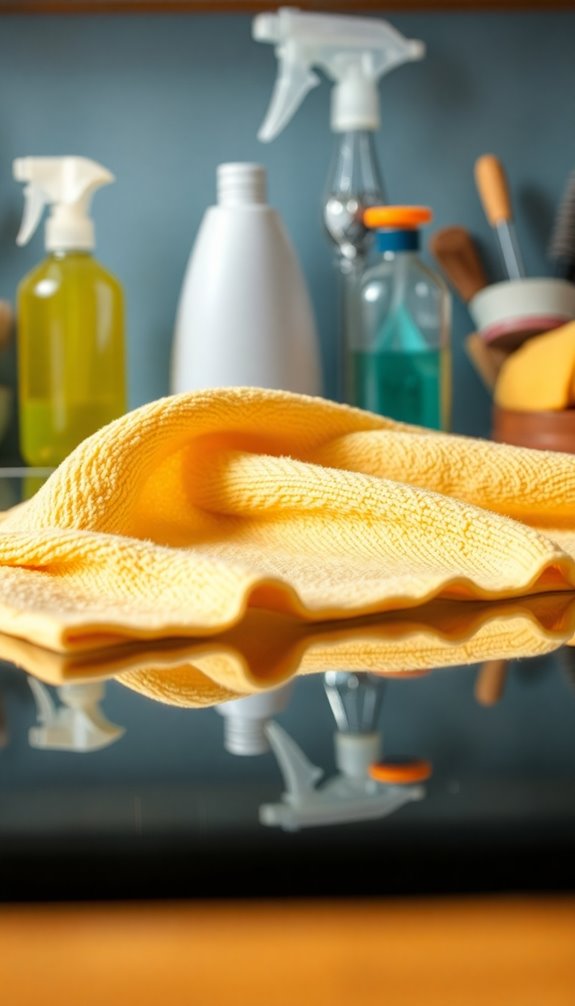
Microfiber cleaning cloths are synthetic, finely split-fiber cloths that pick up dust and liquid well, making them a strong all-purpose choice for dusting, wiping counters, and cleaning glass. Their fine fibers grab particles rather than just pushing them around, which is why they work well with plain water for many routine tasks.
Does Microfiber Kill Germs?
Microfiber can remove germs mechanically, but the evidence shows that results depend on the cloth and the method. A 2022 study in the American Journal of Infection Control, indexed on PubMed, found that reprocessed microfiber cloths laundered under CDC laundry parameters removed microbes from healthcare surfaces at a level substantially equivalent to new microfiber. That suggests well-laundered microfiber can be reused without losing much cleaning performance.
A randomized lab study reported in PubMed Central found that a water-dampened microfiber cloth followed by UV-C light was about as effective against Staphylococcus aureus as chemical disinfecting wipes. Lab results do not guarantee the same outcome in your kitchen, and UV-C light requires its own equipment and safety precautions. Another study of ten different microfibre cloths found that they performed differently from one another, with a single use averaging a log10 reduction of about 2.21 in microbes. Choose well-reviewed cloths and do not assume every microfiber product performs the same.
How Should You Care for Microfiber Cloths?
Proper washing keeps microfiber working. Follow these steps:
- Rinse off heavy debris before washing, and keep dirty cloths separate from clean ones.
- Wash with a mild detergent in warm water, following the care label on the cloth.
- Skip fabric softener, which can coat the fibers and reduce their ability to pick up dirt.
- Air-dry or tumble-dry on low heat, since high heat can damage synthetic fibers over time.
- Replace cloths that look worn, pill heavily, or no longer pick up liquid well.
When Are Terry Cloth Towels the Best Choice?
Terry cloth towels are the best choice when you need to soak up large amounts of liquid or scrub a heavier mess. Their looped cotton surface holds water well and tolerates repeated washing, which makes them useful for spills, drying, and general wiping.
Where Do Terry Towels Work Best?
Terry towels suit jobs where absorbency matters most. Use them for mopping up spilled drinks, drying washed dishes, and wiping down bathroom fixtures after cleaning. They are also useful for buffing hard surfaces once a cleaner has been applied.
- Blot spills first, then wipe, to avoid spreading liquid.
- Use a separate towel for cleaning and for drying your body to reduce cross-contamination.
- Replace towels that have become frayed or no longer absorb well.
When Should You Use a Chamois Cloth?
Use a chamois cloth when you want a streak-free finish on glass, mirrors, or other smooth surfaces. Chamois cloths are soft and absorbent, traditionally made from sheepskin, with synthetic versions also available. They are gentle, but they are better for drying and polishing than for scrubbing.
Are Chamois Cloths Safe for Delicate Surfaces?
Chamois cloths are generally gentle on glass and painted finishes when used on a clean surface. Before using one on an expensive or unfamiliar finish, check the manufacturer’s cleaning guidance for that material. Grit left on the cloth can still scratch, so shake it out or rinse it before each use.
Are Dish Cloths Clean Enough for the Kitchen?
Standard dish cloths are clean enough for most kitchen tasks if you wash them often and let them dry fully between uses. They are usually cotton or a cotton blend, and they handle everyday spills, dishes, and light counter wiping well. Their weakness is hygiene: a damp dish cloth can hold bacteria and odor.
How Often Should You Replace Dish Cloths?
Replace dish cloths when they smell sour, stay stained after washing, or feel stiff and thin. Many households change them every few days, especially after handling raw meat or heavy messes. Keep a few on hand so you can rotate them and let each one dry completely.
- Wash dish cloths in hot water or in the dishwasher on a hot cycle, if the fabric allows.
- Hang them to dry rather than leaving them balled up in the sink.
- Use a separate cloth for raw meat juices and wipe up with a disposable towel when possible.
What Are Magic Erasers Good For?
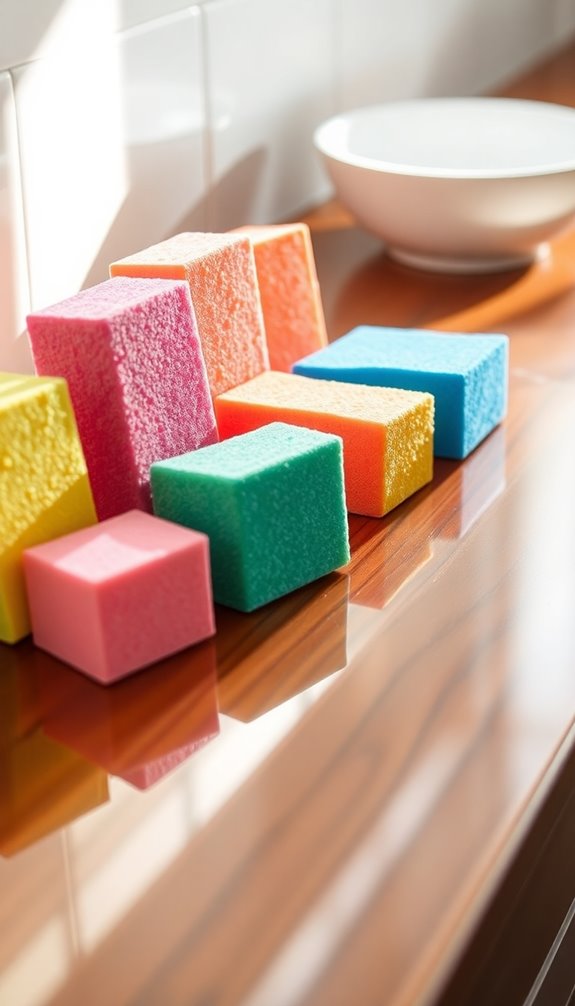
Magic Erasers are melamine foam pads that remove stubborn marks on hard surfaces through fine abrasion, rather than through cleaning chemistry. They are useful for scuffs, crayon, and sticky residue on surfaces that can handle light scrubbing, but they are not a cloth and should not be used everywhere.
What Are the Limits of Magic Erasers?
Because they are abrasive, Magic Erasers can dull glossy paint, varnish, and some polished finishes. Test a small hidden area first, and use gentle pressure. They also wear down quickly, so cutting a pad into smaller pieces can make one last longer on a set of small tasks.
- Dampen the pad before use, and wipe with light pressure.
- Rinse the pad often to remove loosened residue.
- Avoid using them on countertops with a glossy or sealed finish unless the manufacturer says it is safe.
Are Paper Towels Better Than Cloths?
Paper towels are better than reusable cloths only when you need a disposable option for a messy job, such as raw meat juices or a sick household member’s spill. They are absorbent and convenient, but they produce waste with every use and often need several sheets for tougher grime.
Paper towels also have a hygiene advantage in some situations because you can throw them away immediately after use. Pair disposable towels for messy or high-risk cleanups with washable cloths for routine dusting. For a more sustainable routine, see this guide to reusable cleaning cloths for a sustainable home.
Are Disposable Cleaning Wipes Worth It?
Disposable cleaning wipes are worth it for fast, one-time cleanups when you want a pre-moistened option and do not have a cloth nearby. Many are pre-loaded with cleaning or disinfecting solution, but the wipe itself is single-use and most are not biodegradable.
How Do Wipes Compare With Microfiber and Water?
The research suggests that a dampened microfiber cloth can perform close to a chemical wipe in controlled lab conditions, though the results depend on technique and the target organism. Wipes are most useful when you need a labeled disinfectant for a specific situation and the product’s instructions, including contact time, are followed. Read the label before use, and never mix wipes or sprays with other cleaning products.
Do You Need to Disinfect, or Is Cleaning Enough?
For most households, cleaning with soap and water is enough, and disinfecting is needed only in specific situations. The CDC notes that soap and water alone can remove most germs, and that disinfecting is generally needed when someone at home is sick or has recently visited.
When disinfecting is needed, the cloth matters less than following the product’s directions. Keep the surface wet for the contact time listed on the label, ventilate the room, and wear gloves if the product recommends them. If anyone in your home has an infection, a weakened immune system, or a wound that needs care, ask a doctor or nurse what cleaning is appropriate, since cleaning cloths are not a substitute for medical care.
To learn more about the CDC’s guidance on disinfecting, read its page on cleaning and disinfecting with bleach.
How Do You Keep Cleaning Cloths Hygienic?
Keep cleaning cloths hygienic by washing them regularly, drying them fully, and never mixing cleaning products. Hygiene problems usually come from damp cloths left sitting, cloths used on many surfaces without washing, or products combined by accident.
- Use a color-coded system: one color for kitchen, one for bathroom, and one for general dusting.
- Wash cloths after heavy use, and at least weekly if used daily.
- Let cloths dry completely between uses.
- Never mix bleach with ammonia or acidic cleaners such as vinegar, which can release dangerous gases.
Read about cleaning products you should never mix before combining any products in a cleaning session. For a repeatable routine that fits your home, a seasonal house cleaning schedule can help you plan when each cloth gets used and washed.
Frequently Asked Questions
What is the best cleaning cloth for most homes?
A microfiber cloth is the most versatile choice for most homes because it works well for dusting, wiping counters, and cleaning glass. Keep a few on hand and wash them separately from other laundry. Add a cotton towel for spills and a dish cloth for kitchen tasks.
Do microfiber cloths really kill bacteria?
Microfiber cloths can remove many microbes from surfaces, but they do not reliably kill all of them on their own. Research shows that results vary by cloth, and that well-laundered reusable microfiber can perform close to new cloths. For illness-related cleaning, follow a labeled disinfectant’s directions.
How often should I wash my cleaning cloths?
Wash cleaning cloths after heavy use and at least weekly if you use them daily. Wash dish cloths and kitchen towels more often, especially after handling raw meat. Always let cloths dry fully before storing them.
Can I use vinegar on cleaning cloths and surfaces?
Vinegar can be used on some surfaces for light cleaning, but it is acidic and can damage stone, grout, and some wood finishes. Check the surface material before use. Never mix vinegar with bleach.
Are Magic Erasers safe to use on every surface?
Magic Erasers are not safe for every surface because their abrasive action can dull glossy or delicate finishes. Test a hidden spot first and use light pressure. If you are unsure, check the manufacturer’s instructions or ask a professional cleaner.
When should I see a doctor about household germs?
See a doctor if you or someone in your home has an infection that is spreading, a fever, or a wound that is not healing. Cleaning cannot treat an infection. If you have a reaction such as skin irritation, breathing trouble, or eye pain after using a cleaning product, seek medical advice promptly.
Final Thoughts on This Cleaning Cloths Guide
Most homes do well with a small set of reusable cloths matched to specific jobs, plus disposable options for messy or high-risk cleanups. The evidence supports washing cloths well, choosing quality products, and reserving disinfecting for times when someone is sick or has recently visited. Use this cleaning cloths guide to build a simple kit, then keep it clean and dry so it works as well as it should.
More on Cleaning Cloths Guide
- 10 Eco-Friendly Paper Towel Alternatives for Cleaning
- 10 Essential Cleaning Cloths for Every Home
- 18 Dusting Hacks to Finally Get Rid of Dust Bunnies
- Best Reusable Paper Towels – Eco-Friendly Cleaning Alternatives
- Best Types of Cleaning Rags for Home Use
- How to Wash Your Rags Properly for Lasting Freshness
- Paper Towel Alternative: Sustainable Options for an Eco-Friendly Home
- Paper Towel Alternatives: Swedish Dishcloths Reviewed
- The Best Microfiber Cloths for Polishing Chrome Faucets
- The Best Reusable Cleaning Cloths for a Sustainable Home
- Upcycling Old T-Shirts Into Kitchen Cleaning Rags
Related guides: 10 Essential Cleaning Sponges for a Sparkling Home · Why Your Mirrors Are Streaky (And How to Fix It) · Top 5 Best Mops and Buckets for a Sparkling Clean Floor
Free tools: Cleaning Products You Should Never Mix
Always follow the product label, test on a hidden area first, and never mix cleaning products such as bleach and ammonia. Read our safety disclaimer and editorial policy.
2 Replies to “7 Essential Cleaning Cloth Types for Every Household”