As a pet owner, you know keeping your home clean can be a challenge. Start by creating a pet-friendly cleaning schedule that includes daily grooming and weekly surface cleaning. Invest in quality pet hair removal tools, and wash pet bedding often. Designate pet-free zones to minimize mess, and use natural cleaning products for safety. Schedule regular pet bathing days, and stay consistent for lasting cleanliness. For detailed routines and tips, there’s more to explore.
Create a Pet-Friendly Cleaning Schedule
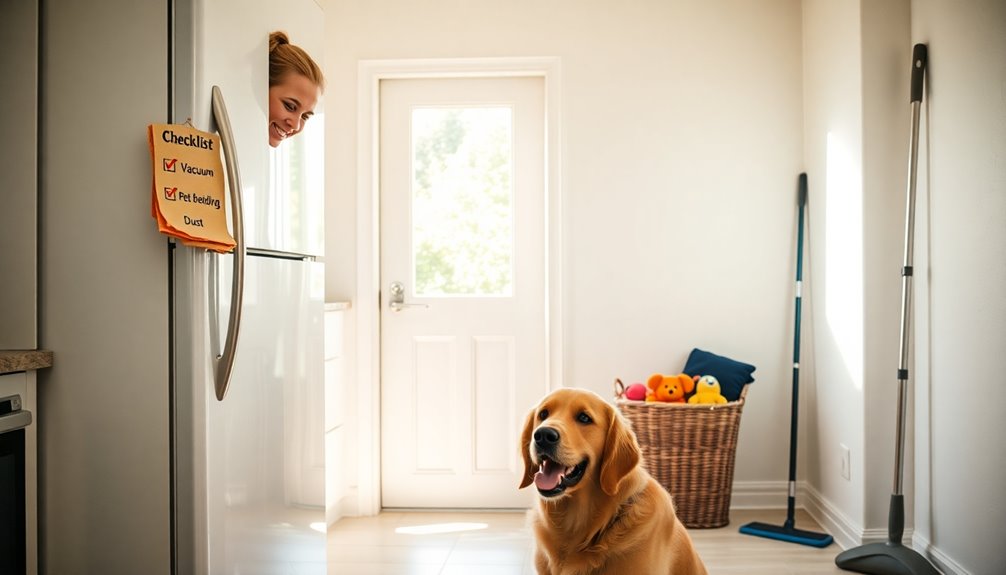
Creating a pet-friendly cleaning schedule can make your life easier and keep your home fresh. Start by selecting pet-friendly products that won’t harm your furry friends. Use natural or non-toxic cleaners to guarantee their safety while effectively removing dirt and odors. Incorporate cleaning techniques like vacuuming and mopping regularly to control pet hair and dander. Schedule specific days for different tasks—dust on Mondays, vacuum on Wednesdays, and clean floors on Fridays. This way, you maintain a consistent routine without feeling overwhelmed. Don’t forget to include time for washing pet bedding and toys as well. By staying organized and using safe products, you’ll create a clean space that both you and your pets can enjoy together. Additionally, consider using products with plant-based ingredients to ensure a healthier environment for you and your pets.
Invest in Quality Pet Hair Removal Tools
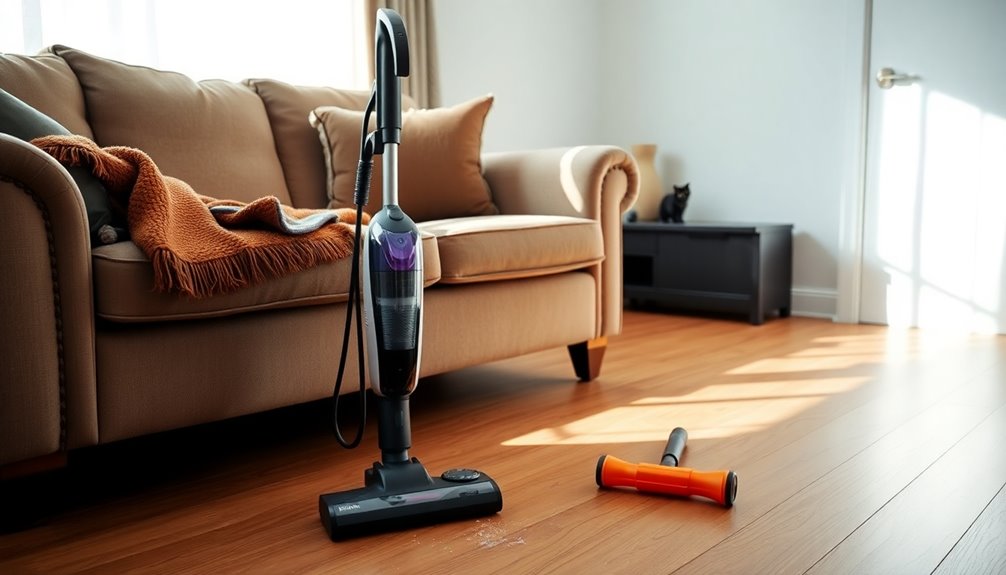
A clean home is only as good as the tools you use to maintain it, especially when it comes to tackling pet hair. Investing in quality pet hair removal tools can make all the difference in keeping your space tidy.
Look for effective tools like vacuum cleaners with specialized pet attachments, rubber brooms, or lint rollers designed for stubborn fur. These tools not only save you time but also improve your cleaning efficiency. Regular use of vacuum cleaners with upholstery attachments ensures that you efficiently remove pet hair from various surfaces in your home.
Consider options that are easy to use and maintain, ensuring you can quickly grab them when needed. With the right equipment, you’ll find pet hair removal becomes a much simpler task, allowing you to enjoy a clean, hair-free home without the hassle.
Establish a Daily Pet Grooming Routine
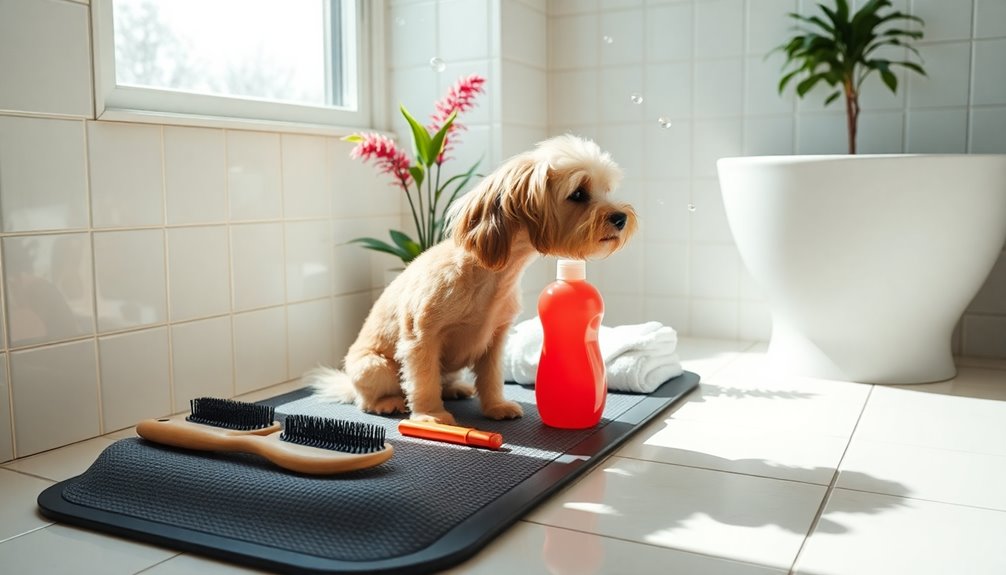
While you might think of grooming as just a way to keep your pet looking good, establishing a daily grooming routine is essential for maintaining a clean home as well. Regularly using the right grooming tools can greatly reduce shedding and dander. Start with a slicker brush or a rubber grooming mitt, depending on your pet’s coat type.
Incorporate effective brushing techniques, like working in sections and using gentle strokes, to untangle knots while removing loose fur. Additionally, regular grooming maintains a healthy coat and minimizes mess around your home.
Don’t forget to check ears, eyes, and nails during your routine. This daily habit not only keeps your pet healthy and comfortable, but it also minimizes mess around your home.
Designate Pet-Free Zones in Your Home
Creating pet-free zones in your home is essential for maintaining cleanliness and comfort.
Think about which areas you want to keep pet-free, like your bedroom or dining room, to guarantee a peaceful environment.
Once you’ve chosen these spaces, make a plan to keep them off-limits to your furry friends. Regularly cleaning these designated areas can help minimize pet odors and ensure a more refreshing atmosphere.
Importance of Pet-Free Areas
Designating pet-free areas in your home is essential for maintaining a clean and comfortable living environment.
These designated zones offer significant pet-free benefits, including reduced allergens and easier cleaning. By managing space effectively, you can create a retreat for yourself and guests, free from pet hair and odors.
This separation not only enhances your comfort but also helps in keeping your belongings safe and intact. Imagine enjoying a cozy evening on your couch without the worry of fur or mess.
Additionally, having pet-free areas can help train your pets to understand boundaries, promoting better behavior.
Ultimately, these zones contribute to a healthier environment, making your home a more enjoyable place for everyone.
Choosing the Right Spaces
Identifying the right spaces for your pet-free zones can transform your home into a more inviting environment.
Start by designating areas like the kitchen and dining room, where food and cleanliness are priorities. These ideal cleaning locations help create a fresh atmosphere, free from pet hair and dander.
Consider your bedroom as another sanctuary; a pet-free zone here promotes restful sleep and personal space.
If you have a home office, keeping it pet-free fosters productivity and focus.
While you want to maintain pet-friendly spaces for your furry friends, having designated areas allows you to enjoy the comforts of a clean home.
Balancing these zones won’t only ease cleaning but also enhance your overall living experience.
Maintaining Pet-Free Zones
While it may seem challenging to maintain pet-free zones in your home, a few simple strategies can make all the difference.
By designating specific areas as pet-free spaces, you create a sanctuary for yourself and guests. Here are some tips for effective zone maintenance:
- Install baby gates to block off rooms
- Use furniture covers to protect upholstery
- Designate a specific spot for pet supplies
- Regularly vacuum and clean these zones
Use Washable Pet Beds and Blankets
Using washable pet beds and blankets can make your cleaning routine much easier.
When you choose quality materials, you guarantee durability and comfort for your furry friend.
Plus, setting a regular washing schedule keeps your home fresh and your pet happy. Regular inspection of kitchen sponges is also vital to prevent bacteria growth in your cleaning routine.
Easy Maintenance Tips
To keep your home clean and comfortable for both you and your furry friends, opt for washable pet beds and blankets.
These choices not only feature pet-friendly materials but also make cleaning a breeze.
Here are some quick cleanup tips to maintain a tidy space:
- Toss dirty bedding into the washing machine for easy cleaning.
- Use a lint roller to quickly remove pet hair from surfaces.
- Vacuum frequently to catch fur before it settles.
- Choose neutral colors for bedding to hide stains more easily.
Choosing Quality Materials
When it comes to creating a pet-friendly home, choosing quality materials for your pet beds and blankets is essential.
Opt for washable options made from durable fabrics that can withstand your pet’s playful nature and occasional messes. Look for eco-friendly materials that aren’t only safe for your furry friend but also gentle on the planet.
These materials often resist odors and stains, making cleaning easier in the long run. Remember, investing in high-quality pet beds and blankets means fewer replacements, saving you time and money.
Plus, your pet will appreciate a cozy spot that lasts, ensuring they stay comfortable and happy. Make thoughtful choices, and you’ll create a welcoming space for both you and your beloved pet.
Regular Washing Schedule
A consistent washing schedule is essential for maintaining a clean and healthy environment for both you and your pets. By establishing a regular washing frequency, you can keep your pet beds and blankets fresh and odor-free. Aim to wash these items weekly, especially if they’re made from pet-friendly fabric types like cotton or microfiber.
Consider these tips for your washing routine:
- Use hot water to eliminate allergens and bacteria.
- Air dry whenever possible to maintain fabric integrity.
- Check for pet hair before washing to avoid clogging your machine.
- Rotate blankets to give each one a break between washes.
Implementing this simple routine not only enhances your home’s cleanliness but also contributes to your pet’s well-being.
Implement a Weekly Vacuuming Routine
Establishing a weekly vacuuming routine is vital for pet owners looking to maintain a clean and healthy home.
Start by choosing effective vacuuming techniques, like using a vacuum with strong suction and specialized pet hair attachments. Focus on high-traffic areas and spots where your pet frequently lounges.
Don’t forget to vacuum upholstery and curtains, as pet hair can accumulate there, too. Regular vacuum maintenance is important; clean or replace filters as needed, and check for blockages to guarantee peak performance. Consider using a vacuum with a HEPA filter to effectively trap allergens and improve air quality.
By sticking to this routine, you’ll not only reduce pet hair and dander but also create a fresher living environment for you and your furry friends.
Consistency is key, so mark it on your calendar!
Develop a Strategy for Tackling Pet Odors
To keep your home smelling fresh, start by identifying where those pesky pet odors are coming from.
Once you pinpoint the sources, you can choose effective deodorizers that tackle the problem head-on.
Let’s explore some strategies that make a real difference. Regularly cleaning your home and using natural deodorizing methods can help maintain a fresh scent and eliminate unwanted odors.
Identify Odor Sources
How can you effectively pinpoint the sources of unpleasant pet odors in your home?
Start by using simple odor detection methods to track down those pesky smells.
Common odor sources include:
- Pet bedding: The fabric can absorb moisture and odors over time.
- Carpets and rugs: Spills and accidents can lead to lingering scents.
- Litter boxes: Even with regular cleaning, a box can emit strong odors.
- Furniture: Pets often leave behind dander and saliva, contributing to unpleasant smells.
Use Effective Deodorizers
While identifying odor sources is essential, using effective deodorizers is equally important in maintaining a fresh-smelling home.
You can tackle pet odors with natural deodorizers like baking soda, which absorbs smells effectively. Simply sprinkle it on carpets or upholstery, let it sit, and vacuum it up.
For a quick fix, try scented sprays specifically designed for pets. These sprays can neutralize odors while leaving a pleasant fragrance.
Make it a habit to spray your pet’s favorite resting spots regularly. Additionally, consider using essential oils in a diffuser to keep your space smelling fresh.
Clean Up After Pets Immediately
Cleaning up after your pets immediately not only keeps your home tidy but also prevents odors and potential health hazards.
Whether it’s a spilled water bowl or an unexpected accident, tackling that immediate mess is vital for your peace of mind.
Here are some quick tips for efficient pet cleanup:
- Keep a roll of paper towels handy for quick spills.
- Use a designated pet waste bag dispenser for easy access on walks.
- Have a small broom and dustpan near your pet’s feeding area.
- Invest in an enzymatic cleaner for stubborn stains. Regular maintenance can also help prevent future messes from building up.
Organize a Monthly Deep Cleaning Plan
Establishing a monthly deep cleaning plan can transform your home into a more hygienic and comfortable environment for both you and your pets.
Start by listing your monthly tasks, such as deep cleaning carpets, washing pet bedding, and disinfecting surfaces that accumulate pet hair and dander. Designate one weekend each month to tackle these tasks, making it easier to stay on track.
Gather your cleaning supplies beforehand, ensuring you have everything you need, like vacuum cleaners, eco-friendly detergents, and disinfectants. Regular maintenance of your appliances ensures they function efficiently and helps minimize allergens and odors.
Involve your family in the process, so it becomes a team effort. This plan not only keeps your home clean but also minimizes allergens and odors, creating a healthier space for you and your furry companions.
Keep Cleaning Supplies Accessible and Pet-Safe
Keeping your cleaning supplies accessible while ensuring they’re pet-safe is essential for a smooth cleaning routine.
Opt for non-toxic cleaners that won’t harm your furry friends and store them securely to prevent any accidents.
Find easy access locations that allow you to grab what you need quickly without compromising your pets’ safety. Many brands, such as Grove Collaborative, focus on eco-friendly practices to keep your home safe for both pets and kids.
Choose Non-Toxic Cleaners
When you have pets, choosing non-toxic cleaners is essential for their safety and well-being.
Opt for eco-friendly alternatives that use pet-safe ingredients to keep your home clean without harming your furry companions.
Here are some great options to evaluate:
- Vinegar: A natural disinfectant that cuts through grime without toxic fumes.
- Baking soda: An effective deodorizer and gentle abrasive that’s safe for pets.
- Castile soap: A biodegradable soap that cleans surfaces without harmful chemicals.
- Essential oils: Use pet-safe varieties like lavender or chamomile for a fresh scent.
Store Supplies Securely
After choosing non-toxic cleaners, the next step is ensuring those supplies are stored securely.
You should invest in safety containers that are specifically designed to keep your cleaning products away from curious paws. Look for containers with child-proof locks or sturdy lids to prevent any accidental spills or ingestion.
Place these containers in a high cabinet or a designated area that’s out of reach for your pets. Remember, even non-toxic cleaners can cause digestive issues if consumed in large quantities.
By prioritizing secure storage, you’re not just protecting your furry friends, but also creating a safer cleaning environment for everyone in your home.
Keep your supplies organized and secure to make cleaning easier and safer.
Easy Access Locations
To guarantee your cleaning supplies are both accessible and pet-safe, consider placing them in locations that are easy for you to reach but difficult for your pets to access.
Think about utilizing creative pet storage solutions that keep your supplies organized while ensuring your furry friends stay safe.
Here are some great ideas for easy access locations:
- High shelves where only you can reach the supplies.
- Cabinets with child-proof locks to secure potent cleaners.
- Under-sink organizers that aren’t within paw’s reach.
- Closets with closed doors to keep everything contained.
Utilize Lint Rollers for Quick Cleanups
Although pet hair seems to cling to everything, lint rollers can be your best friend for quick cleanups.
These handy tools are perfect for tackling hair on clothes, furniture, and even car seats. For effective results, keep a lint roller in various locations—near the front door, in your car, and next to your pet’s favorite resting spot.
When using it, make sure to roll in one direction to lift hair easily. Also, try using a lint roller on your pet’s bedding to keep it hair-free between washings.
Incorporating these lint roller tips into your routine will make your cleaning process smoother. With these quick cleanup techniques, you’ll maintain a fur-free home in no time!
Wash Pet Toys Regularly
Washing your pet’s toys is essential for their health and happiness.
You’ll want to choose safe cleaning methods and establish a regular washing schedule to keep those toys fresh.
Plus, knowing how to properly dry and store them will extend their lifespan and guarantee your furry friend stays safe while playing.
Choose Safe Cleaning Methods
When it comes to keeping your pet’s toys clean, choosing safe cleaning methods is essential for their health and well-being.
You’ll want to opt for eco-friendly solutions and non-toxic alternatives that won’t harm your furry friend.
Here are some effective options:
- Vinegar and water: A natural disinfectant that’s safe for pets.
- Baking soda: Great for removing odors and stains.
- Castile soap: A gentle, biodegradable soap that cleans without harsh chemicals.
- Essential oils: A few drops of pet-safe oils can freshen toys naturally.
Frequency Of Washing Toys
Keeping your pet’s toys clean isn’t just about choosing the right cleaning methods; it’s also about how often you wash them. Different toy material types require varying frequencies for cleaning.
For example, rubber and plastic toys can typically be washed weekly, while fabric toys might need a more frequent wash, especially if they get wet or muddy. Regular washing helps prevent bacteria buildup, which can harm your pet’s health.
Aim to check toys for dirt and damage during playtime, and wash them as needed. Establish a routine, like cleaning toys every Sunday, to keep your pet’s playthings fresh and safe.
Your furry friend deserves clean toys, and it’s a simple way to maintain a healthy environment.
Drying And Storage Tips
After you’ve washed your pet’s toys, proper drying and storage are essential to maintain their cleanliness and longevity.
Use effective drying techniques to guarantee that moisture doesn’t linger, which can lead to mold. Air dry toys in a sunny spot or use a gentle breeze from a fan.
Once they’re thoroughly dry, choose smart storage solutions to keep them organized and accessible.
- Use a breathable basket for easy access
- Hang toys on hooks for a playful display
- Store in a sealed container to keep dust away
- Designate a special shelf for your pet’s favorite toys
Use Air Purifiers to Reduce Pet Dander
Although you love your furry friends, dealing with pet dander can be a challenge for your home’s air quality. Investing in a quality air purifier can make a significant difference.
These devices capture airborne allergens, including pet dander, dust, and pollen, helping you breathe easier. Look for purifiers with HEPA filters, as they’re designed to trap even the smallest particles.
Running your air purifier regularly not only improves air quality but also provides allergy relief, especially during shedding seasons.
Place it in common areas where your pets spend the most time to maximize its effectiveness. By incorporating an air purifier into your cleaning routine, you’ll create a healthier environment for both you and your furry companions.
Create a Cleaning Checklist for Pet Owners
Creating a cleaning checklist for pet owners can streamline your routine and help maintain a tidy home.
A cleaning checklist for pet owners simplifies your routine while ensuring a tidy and safe home for your furry companions.
By staying organized, you can guarantee that you’re using the right cleaning products while keeping your pets safe.
Here’s a simple checklist to get you started:
- Vacuum carpets and upholstery to remove fur and dander.
- Wipe down surfaces with pet-safe cleaning solutions to eliminate bacteria and odors.
- Wash pet bedding and toys weekly to keep them fresh and clean.
- Clean litter boxes or pet areas regularly to maintain hygiene and prevent unpleasant smells.
With this checklist in hand, you’ll find that cleaning becomes a more manageable and efficient task, guaranteeing both a clean home and the safety of your furry friends.
Train Your Pets to Minimize Mess
Training your pets can greatly reduce mess around your home, making cleaning easier and more efficient. Start by using positive reinforcement techniques to encourage desired behaviors. For instance, reward your dog for staying off the furniture or your cat for using the litter box consistently. This builds a habit of cleanliness and promotes mess prevention.
Establish specific areas for your pets to play and relax, minimizing stray toys and fur in unwanted spaces. Consistency is key—reinforce good behavior daily.
If accidents happen, respond calmly and redirect their focus rather than scolding. Over time, your pets will learn to keep their mess contained, allowing you to enjoy a cleaner home with less effort.
Schedule Regular Pet Bathing Days
To keep your home clean and your pets happy, scheduling regular bathing days is crucial. Determining the right bathing frequency depends on your pet’s breed, coat type, and activity level.
Using effective pet grooming techniques during bath time can make the process enjoyable for both of you.
Consider these tips for a successful bathing routine:
- Gather your supplies: shampoo, towels, and brushes ready to go
- Create a relaxing atmosphere: calming music or treats can help ease anxiety
- Use warm water: guarantee your pet feels comfortable throughout the bath
- Dry thoroughly: a good towel-dry or blow-dry keeps your home fur-free
Regular baths not only promote cleanliness but also strengthen your bond with your furry friend.
Incorporate Natural Cleaning Products for Safety
While keeping your home clean is important, using natural cleaning products guarantees the safety of both your pets and the environment.
You can easily find eco-friendly alternatives that effectively tackle dirt without harmful chemicals. Look for products with safe ingredients, like vinegar, baking soda, and essential oils, which aren’t only effective but also safe for your furry friends.
When you switch to these natural options, you’re reducing the risk of toxic exposure to your pets, ensuring they can roam freely and safely.
Plus, many of these products are biodegradable, making them better for the planet.
Stay Consistent for Long-Term Cleanliness
Consistency is key when it comes to maintaining a clean home, especially for pet owners. By establishing a regular cleaning routine, you’ll create habit formation that keeps your space fresh and inviting.
Start with small, manageable tasks and gradually adjust your routine to fit your lifestyle.
- Sweep away pet hair from corners
- Wipe down surfaces with gentle cleaners
- Change litter boxes promptly
- Vacuum weekly to tackle dander
Staying committed to these tasks not only minimizes mess but also enhances your pet’s health.
Remember, it’s all about making these chores a part of your daily life. With each adjustment, you’ll find the right balance, ensuring cleanliness becomes second nature.
Your home—and your furry friends—will thank you!
Conclusion
By embracing these simple cleaning routines, you’re not just maintaining a tidy home; you’re creating a haven for your beloved pets. Picture a serene space where your furry friends can roam freely without leaving chaos in their wake. With a little consistency and the right tools, you’ll find joy in the balance of cleanliness and companionship. After all, a clean home reflects the love and care you give, just like the wag of a tail or a gentle purr.