Last updated: · By Megan Hart
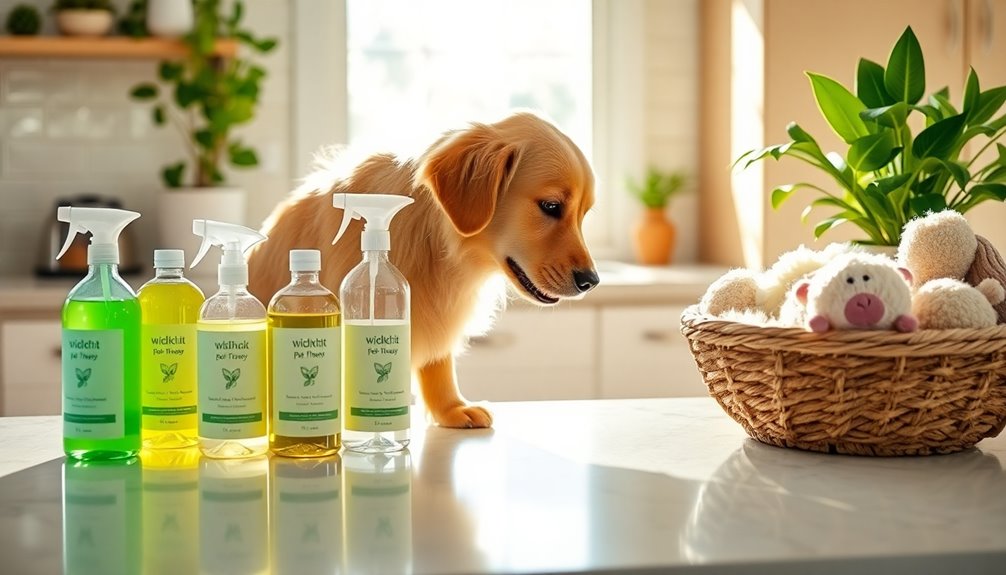
Pet-safe cleaning products are cleaners that you use according to the label, with ingredients and storage habits that reduce the chance your dog or cat will be poisoned or irritated. The American Society for the Prevention of Cruelty to Animals (ASPCA) says most household cleaners are considered safe for dogs and cats when used exactly as directed, so the biggest risks usually come from misuse, strong concentrations, and products left where pets can reach them. This guide explains what “pet-safe” really means, which cleaners are the safest choices, which ingredients need caution, and when to call a professional.
Key Takeaways
- The ASPCA states that most cleaning products are considered safe for dogs and cats when used exactly as the label directs.
- “Pet-safe” is not a single regulated standard, so you need to read ingredient lists and label directions rather than trust the front of the package.
- Cats are more sensitive than dogs to certain compounds, including phenols and many essential oils, so cat households need extra caution.
- Diluted bleach can be used on pet kennels and toys only if the item is rinsed thoroughly and the odor has faded before your pet returns.
- Store all cleaning products in closed cabinets that pets cannot open, and keep pets off treated surfaces until they are fully dry.
What Does “Pet-Safe” Mean on a Cleaning Product?
“Pet-safe” is a marketing term rather than a single legal or veterinary standard, so it does not guarantee that a product is harmless in every situation. A label may use words like natural, plant-based, or non-toxic without defining them. Your best protection is to read the ingredient list, follow the dilution and use directions exactly, and compare the product with the guidance from a veterinarian or animal poison control center.
A peer-reviewed review indexed in PubMed notes that hundreds of household cleaning products pose potential hazards to pets. The same review explains that pet poisoning prevention follows the same principles as child safety, such as keeping products sealed and out of reach. That approach matters more than any single brand choice, because most accidents happen when a product is left open, poured into an unlabeled container, or stored near food and bedding.
Why Do Cats Need Extra Caution?
Cats are generally more vulnerable than dogs to certain chemicals, particularly phenols and many essential oils. Their liver processes some of these compounds more slowly, which means they can build up to harmful levels even after a small exposure. Veterinary toxicology sources consistently advise cat owners to avoid essential oil diffusers and to check with a vet before using any essential oil product in a home with cats.
Because of this, a cleaner that is acceptable in a dog household may still be a poor choice when cats are present. When you are unsure, choose the simplest product with the fewest added ingredients.
Which Pet-Safe Cleaning Products Are Safest to Use?
The safest pet-safe cleaning products are simple formulas with few ingredients, used at the dilution listed on the label. Mild unscented soap, diluted vinegar solutions, and baking soda are common low-risk options for many surfaces, though each still needs to be rinsed or allowed to dry before pets return. The table below compares common options so you can match the product to the job.
| Product type | Typical uses | Pet considerations |
|---|---|---|
| Mild unscented dish soap (diluted) | Kitchen surfaces, pet bowls, general wipe-downs | Rinse well to remove residue; avoid scented or antibacterial versions around pets |
| Diluted white vinegar solution | Glass, sealed countertops, odor reduction | Never mix with bleach; may not suit natural stone or some sealed wood finishes |
| Baking soda | Carpet deodorizing, scrubbing, stains | Vacuum thoroughly so pets do not ingest powder; use sparingly on fabrics |
| Unscented castile soap (diluted) | Floors, general cleaning | Rinse floors and let dry; avoid essential oil additions in cat homes |
| Enzyme cleaners | Pet urine and organic stains on carpet and fabric | Follow label directions; test on a hidden area first |
| Diluted bleach solution | Kennels, washable toys, hard nonporous surfaces | Rinse thoroughly and let odor fade before pet contact, as the ASPCA advises |
| Essential oil blends | Fragrance and light cleaning | Highest caution, especially for cats; avoid diffusers and pet-contact use |
Are Enzyme Cleaners a Good Choice for Pet Stains?
Enzyme cleaners are often a strong choice for pet urine and other organic stains because the enzymes break down the proteins and odor compounds that masking fragrances cannot remove. They generally rely on biological action rather than harsh chemicals. Read the label for the surfaces it is approved for, and test a hidden area first, since some fabrics and finishes react differently.
Which Ingredients Should You Approach With Caution?
Ingredients that cause the most concern for pets include concentrated bleach, ammonia, phenols, strong fragrances, and many essential oils. Concentrated products can burn the mouth, skin, and stomach, while some compounds cause problems even at lower levels. Natural origin does not automatically make an ingredient safe, so check every label the same way.
The ASPCA notes that some common floor products contain too little cleaning agent to cause serious harm, but a wet floor or a pet that licks up solution may still develop mild skin irritation or an upset stomach. The practical lesson is to keep pets away from any surface until it is dry and to rinse hard surfaces when the label allows.
Are Floor Cleaners Like Swiffer WetJet Safe for Pets?
The ASPCA lists Swiffer WetJet products among items that contain too little cleaning agent to pose serious health risks to pets, according to its published guidance on household products and cleaning agents that can affect pets. Even so, you should keep pets off the floor until it dries and avoid letting them lick puddles or spilled solution. If your pet has a reaction, contact your veterinarian.
How Do You Use Pet-Safe Cleaners Safely Around Pets?
To use pet-safe cleaners safely, follow the label, keep pets out of the room while you work, and make sure surfaces are dry before they return. Most problems come from overly strong solutions or cleaning while the animal is nearby. The steps below give you a simple routine you can repeat.
- Remove your pet from the room and close the door, or keep them in a separate area with fresh air.
- Read the label for the correct dilution and the surfaces it is approved for, and never guess a ratio.
- Ventilate the room by opening a window or running a fan, especially when using vinegar, bleach, or fragrance.
- Apply the cleaner to a cloth rather than spraying directly onto pet beds, bowls, or toys when possible.
- Rinse hard surfaces with plain water if the label recommends it, and wipe away standing liquid.
- Allow the area to dry completely before letting your pet back in, which often takes 15 to 30 minutes for floors but may take longer for carpet.
If you want a routine that fits the rest of your week, a schedule built around pets can help you keep cleaning consistent without over-using products. You can compare options in our guide to weekly cleaning routines designed for pet owners.
How Should You Store Cleaning Products Safely?
Store all cleaning products in closed cabinets or on high shelves that pets cannot open, and keep them in their original containers with labels intact. The ASPCA advises keeping cleaning supplies, laundry products, and similar items in cabinets pets cannot open, as explained in its guidance on corrosive household products and pet safety. Storage habits are often the simplest way to prevent poisoning.
- Use a locking cabinet or a high shelf that is out of reach for jumping pets.
- Keep spray bottles labeled and never move cleaners into unmarked food or drink containers.
- Store pet medications and cleaning supplies separately to avoid mix-ups.
- Close lids and caps immediately after each use, including while you are still cleaning.
- Keep the ASPCA Animal Poison Control number, (888) 426-4435, and your veterinarian’s number saved in your phone.
What Are the Most Common Mistakes With Pet-Safe Cleaning?
The most common mistakes are mixing cleaners, assuming natural means safe, and using more product than the label recommends. Mixing products can create dangerous gases, and overuse leaves more residue for pets to lick or walk through. Avoiding these errors is often more protective than switching to a different brand.
Never combine bleach with vinegar, ammonia, or other cleaners, because the combination can release toxic gases. Vinegar and baking soda should also not be mixed in the same container, since they mostly neutralize each other and leave you with salty water. For a fuller list of combinations to avoid, see our guide to cleaning products that should never be mixed.
Is a Natural Cleaner Always Safe for Pets?
No. A natural cleaner can still cause irritation or stomach upset, and essential oils are a notable example because many are unsafe for cats even when they come from plants. Check the full ingredient list, look for specific pet warnings, and ask your vet before using any new product in a home with animals.
How Do You Clean Specific Areas Safely?
For most rooms, a mild diluted cleaner, a microfiber cloth, and thorough drying are enough to keep pets safe. Floors, carpets, bathrooms, and laundry each carry different risks, so the right method depends on where the mess is. The tips below cover the most common areas.
For hard floors, use a diluted solution at the label strength, avoid soaking the surface, and dry it quickly. For carpets, blot fresh accidents first, then use an enzyme cleaner on the stain and allow it to air dry. Our article on pet-friendly floor cleaning hacks for carpets and hard floors gives more specific methods for each surface.
In bathrooms, keep toilet cleaners and drain openers out of reach and rinse bowls well before pets drink from them. In laundry rooms, use fragrance-free detergent when possible and store pods in a closed container, because concentrated pods can be toxic if chewed. Pet bowls and bedding should be washed with unscented soap and rinsed thoroughly.
When Should You Call a Vet or Poison Control?
Call your veterinarian or an animal poison control center right away if your pet has possibly been exposed to a cleaning product and shows any symptoms. Signs that need prompt attention include vomiting, drooling, pawing at the mouth, weakness, trembling, difficulty breathing, or skin burns. Do not wait for symptoms to appear if you know your pet has swallowed or contacted a concentrated product.
- Remove your pet from the area and rinse their mouth or skin gently with water if they have contact with a product.
- Keep the product container, label, and ingredient list so you can share exact details.
- Call your vet or the ASPCA Animal Poison Control Center at (888) 426-4435. The center may charge a consultation fee.
- Do not induce vomiting or give home remedies unless a veterinarian or poison control professional tells you to.
Frequently Asked Questions
Are all cleaning products dangerous for dogs and cats?
No. The ASPCA states that most cleaning products are considered safe for dogs and cats when used exactly as the label directs. Danger rises with concentrated products, improper dilution, mixing chemicals, and pets getting access to containers or wet surfaces.
Is vinegar safe to use around pets?
Diluted white vinegar is generally used as a low-risk cleaner for many surfaces, but it can irritate skin, eyes, or a pet’s stomach if used strong or in large amounts. Do not mix it with bleach, and avoid using it on natural stone or surfaces the label says it can damage. Rinse and dry the area before pets return.
Are essential oils safe for cats?
Many essential oils are considered unsafe for cats, and tea tree oil and other phenol-containing oils are of particular concern. Avoid diffusers and oil-based cleaners in homes with cats unless a veterinarian has approved a specific product. If you suspect exposure, contact a vet promptly.
Can I use bleach to clean my pet’s bed or kennel?
The ASPCA says diluted bleach can be used on pet kennels and toys if the items are rinsed well and the odor has faded before the pet returns. Use a properly diluted solution, never mix it with other cleaners, and keep pets away until everything is fully dry and ventilated.
What should I do if my pet licks a cleaning product?
Rinse your pet’s mouth gently with water and check the product label for the active ingredients. Watch closely for vomiting, drooling, or lethargy, and call your veterinarian or the ASPCA Animal Poison Control Center at (888) 426-4435. Do not give any medication or induce vomiting without professional advice.
Conclusion
Pet-safe cleaning products work best when you combine simple formulas with careful habits. Read labels, use products at the correct dilution, keep pets away until surfaces dry, and store everything in closed cabinets. When something goes wrong, contact your veterinarian or poison control right away, since fast advice matters more than any single cleaner choice.
More on Pet-Safe Cleaning Products
- 15 Car Cleaning Tips for People Who Travel With Pets
- 18 Litter Tracking Solutions to Keep Floors Cleaner
- 18 Simple Weekly Cleaning Routines Designed for Pet Owners
- 18 Tips to Control Pet Hair on Clothes, Laundry, and Bedding
- 18 Ways to Keep Litter Box Smells Under Control
- 18 Ways to Keep Your House From Smelling Like “Dog” or “Cat
- 18 Ways to Keep Your Yard and Patio Clean With Dogs Around
- 18 Ways to Remove Pet Hair From Every Surface in Your House
- 18 “Wet Dog” Smell Solutions That Actually Work
- 25 Cleaning Hacks Every Pet Owner Needs to Know
- Expert Tricks to Banish Pet Hair From Car Seats
- How to Clean Pet Crates, Carriers, and Playpens Like a Pro
- How to Deep Clean Your Home After Fleas or Ticks
- How to Keep Your Bedding Clean When Your Pets Sleep With You
- How to Remove Pet Hair From Blankets, Throws, and Pillows
- The Ultimate Guide to Getting Rid of Pet Odors for Good
Related guides: Top 10 Kid-Friendly Cleaning Products for a Safe Home · Top 10 Natural Cleaning Products for a Chemical-Free Home · The Best Oxygen Bleach Brands for Stubborn Stains & Bright Whites
Free tools: Cleaning Products You Should Never Mix
Always follow the product label, test on a hidden area first, and never mix cleaning products such as bleach and ammonia. Read our safety disclaimer and editorial policy.
3 Replies to “20 Pet‑Safe Cleaning Products You Can Use With Confidence”